
The interiors landscape is shifting once again, with designers and homeowners alike embracing a new wave of aesthetics that prioritise authenticity, warmth, and meaningful connections to our living environments. As our homes continue to serve multiple functions—from workspaces to sanctuaries—the design community is responding with approaches that balance visual impact with emotional resonance. These emerging directions reflect a collective desire for spaces that feel both personal and purposeful, moving away from transient fads towards more considered, lasting choices.
Return of Dark Wood
The resurgence of rich timber tones
Dark wood is making a dramatic comeback in interior spaces, challenging the dominance of pale, bleached timbers that have characterised recent years. Espresso browns, walnut finishes, and deep mahogany tones are appearing across furniture, flooring, and architectural features, bringing a sense of gravitas and sophistication to contemporary homes. This shift represents more than aesthetic preference; it signals a return to materials that age gracefully and develop character over time.
Applications across the home
Designers are incorporating dark wood in several strategic ways:
- Statement furniture pieces such as dining tables and sideboards in rich walnut or cherry
- Architectural panelling and wainscoting that adds depth to walls
- Exposed ceiling beams treated with darker stains
- Kitchen cabinetry moving away from white towards chocolate and espresso tones
- Flooring options featuring deeper, more varied grain patterns
The colour of the year designation of “Silhouette”, an espresso brown, underscores this movement towards warmer, more grounded palettes. These darker timbers create visual anchors within rooms, providing contrast against lighter walls whilst introducing natural texture and organic warmth.
This embrace of darker timber aesthetics naturally complements another significant shift happening across interior spaces, where restraint gives way to more daring chromatic choices.
Explosion of Bold Colours
Moving beyond neutral territories
The era of greige and all-white interiors is giving way to a more confident approach to colour. Homeowners are increasingly willing to experiment with saturated hues that make definitive statements, transforming rooms from bland backdrops into immersive experiences. This trend encompasses both jewel tones and earthy pigments, creating spaces with personality and emotional depth.
Key colour directions for the coming year
| Colour Family | Specific Shades | Best Applications |
|---|---|---|
| Reds | Burgundy, terracotta, rust | Dining rooms, accent walls, soft furnishings |
| Blues | Navy, midnight, smoked jade | Bedrooms, libraries, cabinetry |
| Greens | Olive, forest, moss | Living spaces, bathrooms, kitchens |
| Browns | Chocolate, coffee, caramel | Studies, architectural details, flooring |
The colour drenching technique
One particularly striking application involves painting entire rooms—walls, ceilings, trim, and sometimes even floors—in a single saturated colour. This colour drenching approach creates cohesive, enveloping environments that feel intentional and sophisticated rather than overwhelming. The technique works especially well with deeper tones, producing spaces that feel intimate and cocooning whilst maintaining visual interest through texture and lighting variations.
As colour transforms the visual experience of interiors, technology is simultaneously reshaping how we interact with our spaces in increasingly sophisticated ways.
Integration of Immersive Technology
Seamless technological incorporation
The latest approach to home technology prioritises discretion over display. Rather than showcasing gadgets as status symbols, designers are integrating smart systems that enhance functionality whilst remaining virtually invisible. This philosophy recognises that technology should serve the space and its occupants without dominating the aesthetic experience.
Invisible innovations
Contemporary technological integration includes:
- Voice-activated systems concealed within architectural elements
- Motorised window treatments controlled by light sensors
- Hidden charging stations built into furniture and surfaces
- Concealed speakers delivering multi-room audio without visible hardware
- Climate control systems that adjust automatically based on occupancy and preferences
- Lighting systems that adapt throughout the day to support circadian rhythms
Lighting as transformative element
Lighting technology has become particularly sophisticated, moving beyond simple illumination to become a key design feature. Adjustable colour temperatures, programmable scenes, and integrated dimming capabilities allow single spaces to shift mood and function throughout the day. Statement fixtures combine sculptural form with advanced functionality, serving as both art pieces and practical light sources.
This technological sophistication extends to how spaces themselves are conceived, with architectural boundaries becoming increasingly flexible and adaptable.
Hidden Spaces and Fluid Design
Adaptable architectural solutions
Modern living demands versatility, and interior design is responding with spaces that transform according to need. Hidden rooms, moveable partitions, and multi-functional areas allow homes to accommodate diverse activities without requiring additional square footage. This approach recognises that contemporary life requires spaces to serve multiple purposes throughout the day.
Practical applications of flexible design
Designers are implementing fluid spatial concepts through:
- Pocket doors and sliding panels that reconfigure open-plan areas
- Murphy beds and fold-away desks that disappear when not needed
- Hidden storage solutions integrated into architectural features
- Convertible furniture pieces that serve multiple functions
- Rooms within rooms created through clever screening and zoning
These adaptable environments respond to the reality that homes now function as offices, gyms, schools, and entertainment venues alongside their traditional residential purposes. The most successful implementations maintain aesthetic cohesion whilst offering practical flexibility, ensuring spaces feel intentional in every configuration.
This functional versatility finds its aesthetic counterpart in an approach that celebrates abundance and personal narrative rather than restraint.
Narrative Maximalism
Curated abundance with purpose
Mature maximalism represents a sophisticated evolution of more-is-more design philosophy. Unlike earlier iterations that sometimes veered into visual chaos, this approach layers elements with intention, creating spaces that tell stories and reflect genuine personality. Each object, pattern, and texture serves a purpose within the larger narrative, resulting in environments that feel rich without appearing cluttered.
Building layered interiors
The key elements of narrative maximalism include:
- Mixing patterns at different scales whilst maintaining colour cohesion
- Combining furniture from various periods and styles with connecting threads
- Displaying collections that reflect personal interests and travels
- Layering textiles through cushions, throws, and rugs
- Incorporating architectural details like mouldings and decorative plasterwork
- Using wallpaper and fabric to create visual interest on vertical surfaces
Modern nostalgia and personal connection
This trend emphasises emotional resonance over superficial aesthetics. Rather than following prescribed formulas, homeowners are encouraged to incorporate elements that carry personal significance—whether inherited pieces, travel souvenirs, or objects that evoke meaningful memories. This approach creates interiors that feel authentic and lived-in, reflecting individual histories rather than catalogue perfection.
Yet for those who find comfort in restraint rather than abundance, design offers an equally compelling alternative that prioritises calm and clarity.
Soft and Refined Simplicity
Warm minimalism redefined
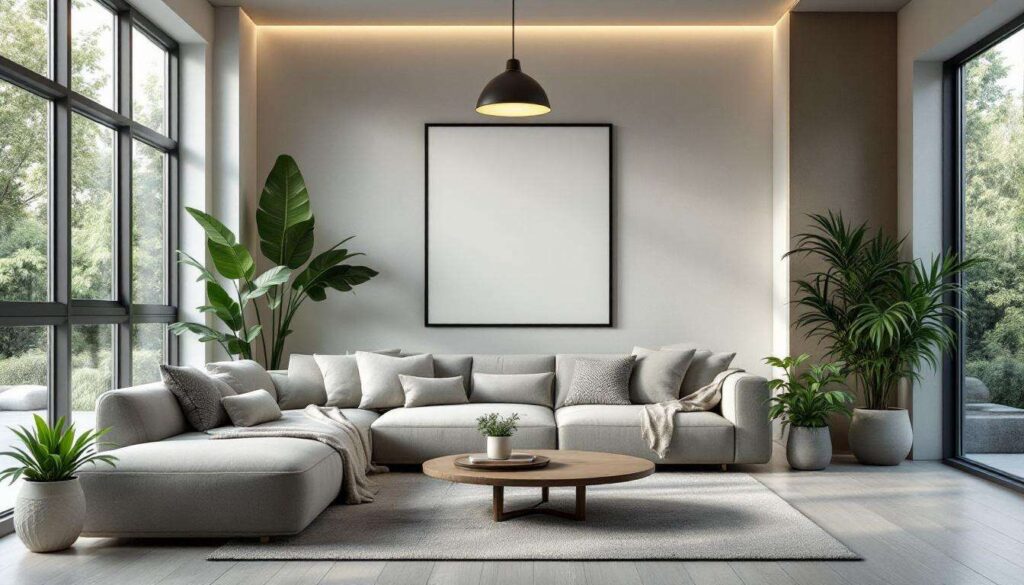
Minimalism is experiencing a significant evolution, shedding its reputation for cold austerity in favour of approaches that feel welcoming and human. This warm minimalism maintains the essential principles of restraint and intentionality whilst introducing softer colour palettes, natural textures, and organic forms that create serene yet inviting environments.
Elements of approachable minimalism
| Design Element | Traditional Minimalism | Warm Minimalism |
|---|---|---|
| Colour palette | Stark whites, greys, black | Creams, taupes, soft earth tones |
| Materials | Steel, glass, concrete | Wood, linen, wool, stone |
| Textures | Smooth, polished surfaces | Varied, tactile, natural finishes |
| Atmosphere | Clinical, gallery-like | Comfortable, lived-in, serene |
Sustainable luxury and biophilic elements
This refined simplicity increasingly incorporates sustainable materials and natural elements, reflecting growing awareness of environmental impact. Organic forms, natural fibres, and connections to nature through plants and natural light create spaces that support wellbeing whilst maintaining aesthetic restraint. The focus shifts from accumulation to curation, with each element selected for both its functional purpose and its contribution to overall harmony.
The emerging design landscape reflects a collective movement towards interiors that honour authenticity, personal narrative, and environmental responsibility. Whether through bold colour statements, technological integration, flexible spatial planning, layered maximalism, or refined minimalism, the common thread remains: creating spaces that genuinely serve and reflect those who inhabit them. These approaches recognise that successful interiors balance aesthetic ambition with practical needs, visual impact with emotional comfort, and individual expression with timeless appeal. The most compelling spaces will be those that feel both current and enduring, responding to contemporary life whilst creating environments where meaningful living unfolds naturally.