


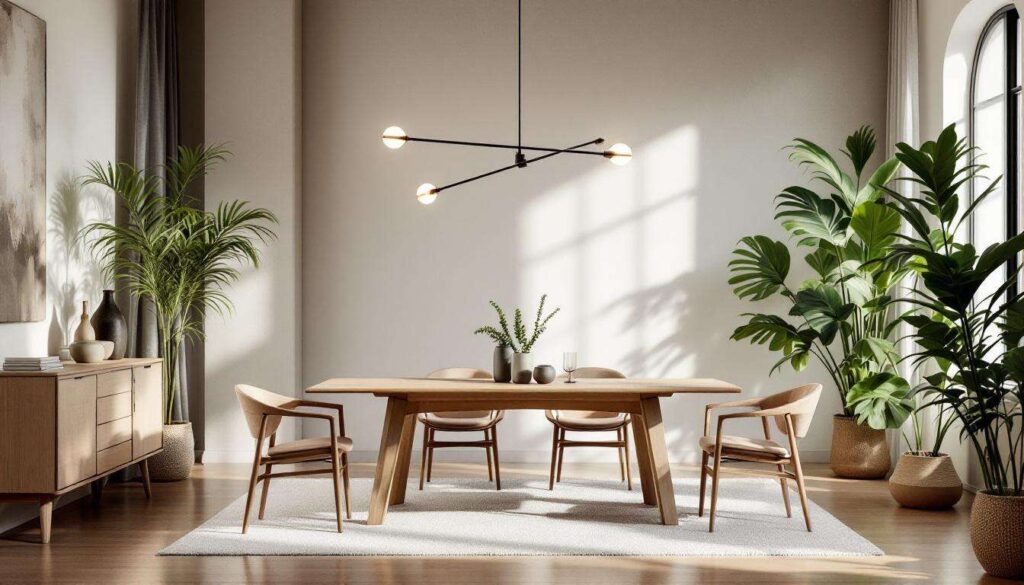
Dining rooms are experiencing a profound transformation as homeowners rediscover the pleasure of gathering around the table. The space once reserved for formal occasions is now evolving into a versatile hub that balances warmth, functionality and personal expression. Designers are responding to this shift by reimagining how we configure, decorate and use these essential rooms, blending comfort with aesthetic ambition to create environments that truly reflect contemporary lifestyles.
Style trends for hosting guests
The resurgence of home entertaining
The dining room is reclaiming its position as the heart of the home, driven by a renewed enthusiasm for hosting friends and family in intimate settings. This movement away from restaurant dining towards home-based gatherings has prompted designers to create spaces that encourage conversation without excessive formality. The focus is on comfortable arrangements that make guests feel genuinely welcome whilst maintaining a sense of occasion.
Balancing formality and relaxation
Modern dining spaces must strike a delicate balance between sophistication and ease. Key considerations include:
- Seating that supports extended conversations without sacrificing comfort
- Lighting schemes that can be adjusted to suit different moods and times of day
- Layouts that facilitate interaction whilst allowing hosts to move freely
- Décor choices that feel personal rather than staged
This approach to hospitality reflects a broader cultural shift towards authenticity and connection, where the quality of interaction matters more than rigid adherence to traditional entertaining rules. The emphasis on creating inviting atmospheres naturally leads to considerations about how furniture arrangements can support these goals.
Combined seating arrangements
Flexibility for multiple functions
The dining room of today serves far more purposes than simply hosting meals. Designers are responding by creating multifunctional environments that accommodate everything from children’s homework to remote working sessions. This versatility requires thoughtful planning to ensure the space can transition seamlessly between different uses throughout the day.
Mixing seating styles
Rather than relying solely on matching dining chairs, designers are incorporating varied seating options to enhance both functionality and visual interest. Common combinations include:
- Upholstered chairs at the heads of tables for added comfort during lengthy gatherings
- Benches along one side to maximise seating capacity
- Occasional chairs that can be moved to other rooms when not needed
- Stools that tuck away neatly but provide extra seating when required
| Seating type | Primary advantage | Best suited for |
|---|---|---|
| Upholstered chairs | Maximum comfort | Extended dining experiences |
| Benches | Space efficiency | Family meals with children |
| Mixed styles | Visual dynamism | Informal gatherings |
This adaptable approach ensures that dining rooms remain relevant to contemporary lifestyles whilst providing the flexibility needed for various activities. The way these spaces are configured naturally influences how they are dressed for different occasions.
Formal table settings
Elevating everyday dining
Whilst dining rooms are becoming more relaxed in function, there remains a strong appreciation for considered table presentation. This doesn’t necessarily mean returning to rigid formality, but rather finding opportunities to elevate ordinary meals through thoughtful styling. Simple gestures such as using cloth napkins, proper glassware and attractive serving pieces can transform a weeknight dinner into something more memorable.
Layering textures and materials
Contemporary table settings embrace a layered approach that combines different materials and textures to create depth and visual interest. Elements to consider include:
- Linen tablecloths paired with textured placemats
- Ceramic plates in complementary tones rather than strict matching sets
- Glassware that mixes vintage finds with modern pieces
- Natural elements such as wooden chargers or stone serving boards
This relaxed yet intentional approach to table styling reflects broader design preferences for spaces that feel curated rather than overly coordinated. The materials chosen for tables naturally extend to other wooden elements throughout the room.
Wood details and accent lighting
Sculptural wood elements
Natural materials, particularly wood in sculptural forms, are becoming central features in dining room design. Beyond traditional dining tables, designers are incorporating wood through statement pieces such as carved sideboards, organic-shaped serving vessels and architectural wall treatments. These elements bring warmth and tactile appeal whilst grounding more contemporary finishes.
Strategic lighting design
Lighting has evolved from purely functional necessity to a key design statement. The most effective dining rooms employ multiple lighting layers:
- Statement pendant fixtures that serve as sculptural focal points
- Adjustable dimmers to control ambiance throughout the day
- Accent lighting to highlight architectural features or artwork
- Candles and portable lamps for added flexibility
The fifth wall treatment
Ceilings are receiving unprecedented attention as designers recognise their potential to transform spatial perception. Treatments such as metallic finishes, high-gloss paints or decorative plasterwork create visual interest whilst reflecting light to enhance the overall atmosphere. This focus on the ceiling adds depth and sophistication without overwhelming the space.
These architectural considerations provide the backdrop against which personal collections and artwork can truly shine.
Unique art and antiques to personalise the space
Moving beyond minimalism
After years of pared-back aesthetics, there is a notable shift towards bold personal expression in dining room décor. Homeowners are increasingly confident in displaying collections, artwork and antiques that reflect their individual tastes and histories. This trend celebrates character over conformity, encouraging spaces that tell stories and spark conversation.
Curating meaningful collections
The most successful personalised dining rooms feature carefully selected pieces rather than random accumulations. Approaches include:
- Gallery walls featuring a mix of paintings, prints and photographs
- Display cabinets showcasing ceramics, glassware or other collectibles
- Statement antique furniture pieces that anchor the room
- Sculptural objects placed on sideboards or shelving
These personal touches transform dining rooms from generic spaces into environments that genuinely reflect the occupants’ personalities and interests. The objects displayed on surfaces naturally lead to considerations about how tables themselves are accessorised.
Table accessories and decoration ideas
Sculptural centrepieces
Table decoration has moved away from predictable floral arrangements towards more architectural and sculptural approaches. Natural stone vessels, ceramic sculptures and organic-shaped bowls serve as permanent centrepieces that require minimal maintenance whilst providing visual impact. These pieces work equally well for everyday dining and special occasions.
Seasonal and flexible styling
Rather than maintaining static table décor, designers recommend creating systems that allow for easy seasonal updates:
- Neutral base pieces that work year-round
- Interchangeable elements such as candles, small vases or decorative objects
- Natural materials that can be refreshed with seasonal foliage or fruit
- Layered textiles that can be swapped to reflect changing seasons
| Accessory type | Visual impact | Practical consideration |
|---|---|---|
| Stone vessels | High sculptural presence | Permanent, low maintenance |
| Candle arrangements | Warm, atmospheric | Requires regular replacement |
| Ceramic pieces | Textural interest | Versatile for various styles |
Functional beauty
The most effective table accessories balance aesthetic appeal with practical utility. Serving pieces, condiment holders and even napkin rings are selected not just for their appearance but for their contribution to the dining experience. This functional approach ensures that beautiful objects earn their place through regular use rather than gathering dust.
Dining rooms are clearly evolving to meet contemporary needs whilst embracing personal expression and authentic hospitality. The trends shaping these spaces reflect a desire for environments that support genuine connection, adapt to multiple uses throughout the day, and showcase individual style through thoughtful material choices and curated collections. By incorporating flexible seating, considered lighting, natural materials and meaningful personal touches, homeowners can create dining spaces that feel both current and timeless, ready to welcome guests whilst serving the practical demands of daily life.