
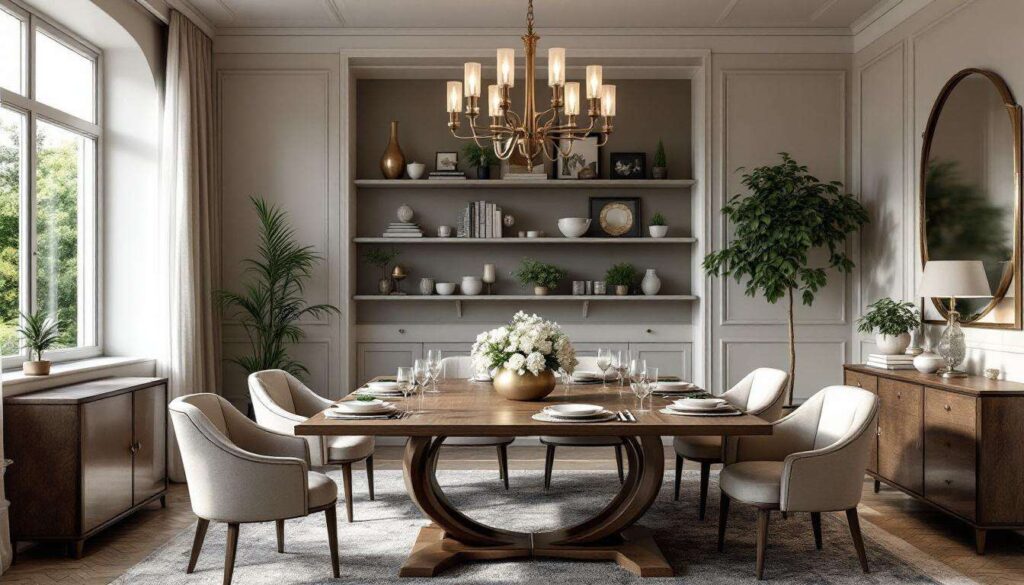
After years of open-plan living dominating interior design, the dining room is making a triumphant comeback. No longer relegated to the status of an underused formal space, today’s dining rooms are being reimagined as warm, multifunctional areas that combine elegance with everyday practicality. Designers are embracing a fresh approach that balances sophistication with comfort, creating spaces that invite families to gather not just for special occasions but for daily meals and casual moments alike. This revival reflects a broader shift in how we use our homes, with dedicated dining areas offering a welcome antidote to the sometimes chaotic flow of open-concept layouts.
The Return of Dining Rooms: 2026 Trends
The formal dining room, once dismissed as outdated, is experiencing a remarkable resurgence. This renewed appreciation stems from a desire for dedicated spaces that serve specific purposes rather than attempting to make every room do everything. Homeowners are rediscovering the value of having a distinct area for dining, one that creates a sense of occasion even during ordinary weekday suppers.
Dedicated dining spaces reclaim their status
Contemporary formal dining rooms strike a delicate balance between tradition and modernity. Unlike their predecessors, which often felt stiff and unwelcoming, these revitalised spaces prioritise comfort alongside elegance. The emphasis is on creating environments where people actually want to spend time, with sophisticated furniture choices that don’t sacrifice livability for aesthetics. Designers are selecting pieces that encourage lingering conversations and relaxed gatherings, moving away from the overly precious approach that previously characterised formal dining.
Why this shift is happening now
Several factors contribute to this trend. The experience of spending more time at home has heightened awareness of how different spaces function, leading many to appreciate the benefits of room definition and purpose. Additionally, there’s a growing recognition that open-concept living, whilst offering visual spaciousness, can lack the intimacy and focus that separate rooms provide. The dining room offers a sanctuary from the visual noise of combined living areas, creating a more mindful dining experience.
This renewed focus on formal dining naturally leads to questions about how these spaces can adapt to modern lifestyles whilst maintaining their special character.
Multifunctional Layouts for Successful Gatherings
Today’s dining rooms must work harder than ever before. Rather than sitting empty except for holiday celebrations, these spaces are being designed to accommodate a variety of activities and occasions. This versatility doesn’t compromise their elegance; instead, it enhances their value within the home.
Adapting to diverse family needs
Modern dining rooms serve multiple purposes throughout the week:
- Morning breakfast gatherings before the day begins
- Homework sessions and creative projects for children
- Remote work spaces when privacy is needed
- Casual entertaining with friends and neighbours
- Formal dinner parties and holiday celebrations
This multifunctional approach requires thoughtful furniture selection and layout planning. Designers are choosing tables that can be extended for larger gatherings but remain appropriately scaled for everyday use. Storage solutions are being integrated seamlessly, allowing the room to transition between different functions without visual clutter.
Creating flexible yet cohesive environments
The key to successful multifunctional dining rooms lies in maintaining a cohesive aesthetic whilst incorporating practical elements. This might include built-in cabinetry that conceals office supplies or children’s art materials, or lighting systems that can be adjusted for different moods and activities. The goal is to create a space that feels intentionally designed rather than merely opportunistic, where each function feels natural rather than forced.
| Function | Design consideration | Key element |
|---|---|---|
| Daily dining | Comfortable seating | Upholstered chairs |
| Work/study | Adequate lighting | Task lighting options |
| Entertaining | Flexible capacity | Extendable table |
| Storage | Hidden organisation | Built-in cabinetry |
Whilst functionality is paramount, these practical considerations must be balanced with the aesthetic qualities that make dining rooms feel special and refined.
Formal Sobriety and Timeless Elegance
The new formal dining room eschews ostentation in favour of restrained sophistication. This approach emphasises quality over quantity, with carefully curated pieces that demonstrate enduring style rather than fleeting trends.
Sophisticated simplicity in design choices
Contemporary formal dining spaces embrace a pared-back aesthetic that allows individual elements to shine. This doesn’t mean minimalism in the stark sense; rather, it involves selecting fewer but more impactful pieces. A beautifully crafted dining table becomes the room’s focal point, complemented by thoughtfully chosen chairs and perhaps a single statement piece of art. The restraint in quantity allows for greater appreciation of each element’s inherent beauty and craftsmanship.
Creating memorable dining experiences
The emphasis on formal sobriety supports the creation of meaningful dining moments. By designing spaces that feel special without being intimidating, homeowners are more likely to use these rooms regularly. The elegance comes from proportion, material quality, and attention to detail rather than from excessive decoration or elaborate styling. This approach ensures that the dining room feels appropriate for both intimate family meals and more ceremonial gatherings.
The materials and finishes selected for these elegant spaces play a crucial role in establishing their warm, welcoming character.
Warm Materials and Welcoming Curves
A significant shift towards organic materials and softer forms is defining dining room aesthetics. This trend represents a departure from the cool, angular designs that previously dominated contemporary interiors.
The rise of warm wood finishes
Wood is experiencing a renaissance in dining room design, with specific finishes gaining prominence:
- Cerused oak: offering subtle texture and visual interest
- Honey ash: bringing golden warmth to spaces
- Walnut: providing rich, chocolatey tones
- Natural oak: delivering classic appeal with contemporary relevance
These warm wood finishes have replaced the ultra-pale or high-gloss options that characterised the previous decade. The tactile quality of these materials invites touch and creates an immediate sense of comfort. They work beautifully across various design styles, from mid-century modern to contemporary luxury, offering versatility alongside their inherent warmth.
Curved forms soften the dining experience
Alongside warm materials, designers are incorporating curved silhouettes throughout dining spaces. Rounded table edges, arched chair backs, and organic shapes in lighting and accessories create a more welcoming atmosphere. These curves contrast pleasingly with the architectural lines of the room itself, adding visual interest whilst promoting a sense of ease. The psychological impact of curved forms shouldn’t be underestimated; they inherently feel more approachable and less formal than sharp angles.
Textural layers enhance warmth
Complementing warm woods and curves are textured elements that add depth and tactile appeal. Linen table runners, earthy ceramic tableware, and woven placemats introduce natural textures that reinforce the welcoming aesthetic. These layers create visual richness without overwhelming the space, supporting the overall sense of refined comfort.
The interplay of these warm materials finds its perfect complement in thoughtfully designed lighting that enhances both form and atmosphere.
Sculptural Lighting: play of Shadows and Lights
Lighting has evolved beyond mere functionality to become a defining design element in contemporary dining rooms. Sculptural fixtures serve as artistic focal points whilst creating atmospheric effects that transform the dining experience.
Statement fixtures as functional art
Today’s dining room lighting fixtures are deliberately dramatic, featuring bold forms that command attention even when unlit. These sculptural pieces might incorporate organic shapes, geometric patterns, or unexpected materials. Positioned above the dining table, they create a visual anchor for the room whilst providing essential illumination. The most successful fixtures balance artistic expression with practical light distribution, ensuring that the table is properly lit for dining whilst the fixture itself becomes a conversation piece.
Layered lighting creates ambience
Sophisticated dining rooms incorporate multiple light sources to achieve flexibility and atmosphere:
- Overhead statement fixtures for primary illumination
- Wall sconces providing ambient background light
- Accent lighting highlighting artwork or architectural features
- Dimmable controls allowing mood adjustment
This layered approach enables the room to transition seamlessly between bright, energetic family meals and intimate, softly lit dinner parties. The interplay of light and shadow created by sculptural fixtures adds depth and drama, transforming a simple dining room into a dynamic space that changes character throughout the day.
These carefully chosen lighting elements work in concert with furniture selections that bridge different design eras.
Harmony Between Vintage and Contemporary Pieces
One of the most compelling trends in dining room design involves the artful mixing of vintage and contemporary elements. This approach creates spaces with character and depth, avoiding the sterile feeling that can result from exclusively modern furnishings.
Curating a collected aesthetic
The most successful dining rooms feel as though they’ve evolved over time rather than being decorated all at once. This might involve pairing a sleek contemporary dining table with vintage chairs that have been reupholstered, or surrounding a traditional wooden table with modern acrylic seating. The key is finding a common thread that unites disparate pieces, whether that’s a shared colour palette, similar proportions, or complementary materials. This curated approach allows for personal expression and storytelling through objects.
Balancing old and new
Achieving harmony between vintage and contemporary pieces requires a discerning eye and careful proportion. Too many vintage elements can make a space feel dated, whilst an excess of contemporary pieces may lack warmth and personality. The ideal balance typically involves one or two significant vintage pieces complemented by modern elements that provide visual breathing room. A vintage sideboard might be paired with contemporary artwork, or antique dining chairs could surround a minimalist table.
| Element | Vintage option | Contemporary pairing |
|---|---|---|
| Seating | Mid-century chairs | Modern glass table |
| Storage | Antique sideboard | Abstract wall art |
| Lighting | Brass chandelier | Minimalist table setting |
| Accessories | Vintage ceramics | Sleek serving pieces |
This blending of eras creates dining rooms that feel both timeless and current, spaces that honour tradition whilst embracing contemporary living.
The resurgence of the dining room represents more than a design trend; it reflects a deeper appreciation for purposeful spaces that enhance daily life. By embracing warm materials, sculptural lighting, and a harmonious blend of vintage and contemporary elements, today’s dining rooms achieve a balance between elegance and livability. These multifunctional spaces accommodate everything from casual family meals to formal gatherings, proving that dedicated dining areas can be both practical and beautiful. The emphasis on comfort, personalisation, and quality over quantity ensures that these rooms will be used and cherished rather than preserved as museum-like spaces. As we move forward, the dining room stands as a testament to the enduring value of gathering around a table, sharing meals, and creating memories in thoughtfully designed environments.