
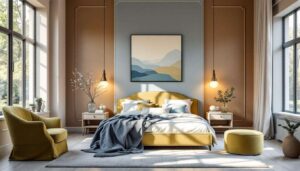

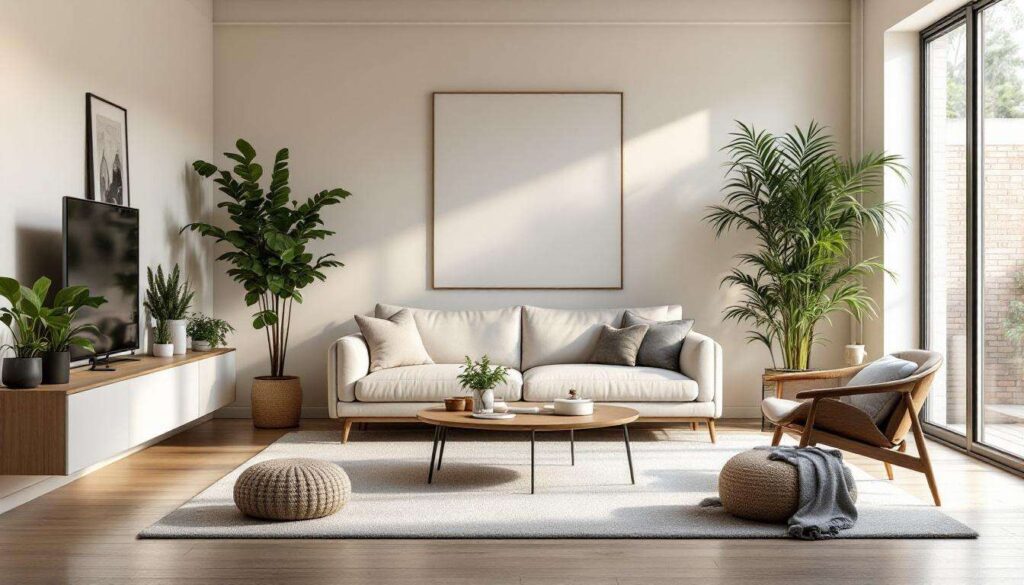
Creating a home that feels genuinely welcoming goes beyond simply arranging furniture or selecting coordinated colour schemes. The atmosphere of a space stems from thoughtful choices that prioritise comfort, authenticity, and personality over rigid design rules. Interior design professionals consistently identify certain elements that inadvertently create barriers to warmth and relaxation. By recognising and removing these common culprits, homeowners can transform their living spaces into environments that naturally invite connection and ease. The following insights reveal seven specific elements that professionals recommend eliminating to cultivate a truly inviting home.
Aggressive Lighting
The Problem with Overhead-Only Illumination
Relying exclusively on harsh overhead lighting represents one of the most common mistakes that undermines a home’s welcoming atmosphere. Central ceiling fixtures alone create stark shadows and an institutional ambiance that discourages relaxation. This single-source approach floods spaces with uniform brightness that feels clinical rather than comfortable, eliminating the nuanced interplay of light and shadow that makes environments feel lived-in and intimate.
Creating Layered Lighting Solutions
Professional designers advocate for a layered lighting strategy that incorporates multiple sources at varying heights throughout a room. This approach includes:
- Table lamps positioned on side tables and consoles for task lighting and ambient warmth
- Floor lamps in corners or beside seating areas to create pools of inviting illumination
- Wall sconces that provide gentle uplighting or downlighting without occupying floor space
- Dimmer switches on overhead fixtures to adjust intensity according to time of day and activity
For homes with electrical limitations, high-quality rechargeable LED lamps offer flexibility without requiring additional wiring. These portable solutions allow homeowners to experiment with lighting placement until achieving the perfect balance. The goal involves creating zones of varied brightness that guide the eye naturally through the space whilst providing functional illumination where needed.
Understanding how lighting affects mood sets the foundation for examining the materials that furnish our homes.
Synthetic Materials
The Authenticity Gap in Artificial Elements
Synthetic materials, whilst often practical and budget-friendly, frequently lack the tactile warmth and visual depth that natural elements provide. Plastic finishes, artificial plants, and synthetic fabrics communicate an impersonal quality that prevents spaces from feeling genuinely inviting. These materials age poorly and lack the patina that gives homes character over time, creating environments that feel temporary rather than enduring.
Embracing Natural and Weathered Materials
Interior design professionals consistently recommend incorporating materials that showcase authentic origins and natural ageing processes. Consider these alternatives:
- Solid wood furniture with visible grain patterns instead of laminate surfaces
- Natural fibre textiles such as linen, cotton, and wool rather than polyester blends
- Stone, ceramic, or terracotta accessories in place of resin imitations
- Genuine leather or suede that develops character through use
- Living plants that bring organic movement and air-purifying benefits
The weathered quality of natural materials tells a story and creates visual interest that synthetic alternatives cannot replicate. A wooden table bearing the marks of daily use feels more welcoming than a pristine plastic surface precisely because it reflects real life rather than showroom perfection.
Just as materials contribute to authenticity, the approach to decorative coordination significantly impacts how personalised a space feels.
Matching or Thematic Decor
The Sterility of Perfect Coordination
Overly matched decorative schemes create spaces that resemble hotel rooms or showrooms rather than homes where people actually live. When every cushion coordinates perfectly with curtains, and all accessories follow a rigid theme, the result feels manufactured rather than evolved. This approach strips away the individuality that makes homes genuinely inviting, replacing personality with predictability.
Cultivating Collected Character
Design professionals advocate for curated eclecticism that reflects the inhabitants’ genuine interests and experiences. This involves:
- Mixing furniture styles from different periods rather than purchasing complete matching suites
- Displaying objects acquired through travel or inheritance alongside contemporary pieces
- Combining patterns and textures that share a colour palette but vary in scale and origin
- Allowing decorative elements to accumulate gradually rather than completing a room in one shopping trip
The most inviting homes appear to have evolved over time, with layers of meaning visible in the objects displayed. A collection of mismatched vintage frames creates more interest than a set of identical ones, whilst a sofa adorned with cushions in complementary rather than matching fabrics suggests thoughtful curation rather than catalogue ordering.
This principle of authenticity extends naturally to the artwork displayed throughout the home.
Mass-produced Art
The Emptiness of Generic Wall Decor
Mass-produced prints and generic wall art fail to create emotional connections or spark conversation. These ubiquitous pieces, available in countless homes, contribute nothing personal to a space and often serve merely as visual filler rather than meaningful focal points. The predictability of such artwork—inspirational quotes in scripted fonts, oversized abstract prints in coordinating colours—signals a lack of genuine engagement with the space.
Selecting Meaningful Visual Elements
Creating an inviting atmosphere requires artwork that resonates personally with the inhabitants. Consider these approaches:
- Original pieces from local artists or craft markets that reflect regional character
- Framed photographs capturing personal memories and meaningful moments
- Vintage prints or maps with historical significance or family connections
- Children’s artwork displayed with the same consideration as professional pieces
- Collections arranged as gallery walls that tell visual stories
Authentic visual interest emerges when wall decorations prompt questions and invite closer examination. Even budget-conscious homeowners can create compelling displays by framing textile remnants, pressed botanicals, or pages from vintage books. The investment in meaningful artwork pays dividends in creating spaces that feel distinctly personal rather than anonymously decorated.
Whilst artwork provides visual personality, furniture choices communicate equally important messages about how a space should be used.
White Sofa
The Anxiety of Impractical Furniture
The white sofa represents a design choice that prioritises appearance over livability. Whilst visually striking in photographs, pale upholstery creates constant vigilance rather than relaxation, transforming seating areas into spaces requiring protection rather than enjoyment. This anxiety extends to guests, who feel uncomfortable settling in when they fear leaving marks or stains.
Choosing Welcoming, Practical Upholstery
Interior design professionals recommend selecting furniture that invites use without worry. Practical alternatives include:
| Consideration | Recommended Approach |
|---|---|
| Fabric colour | Mid-tones and patterns that disguise minor marks whilst remaining visually appealing |
| Material type | Performance fabrics with stain-resistant treatments or removable, washable covers |
| Texture | Woven or textured fabrics that hide wear better than smooth surfaces |
| Maintenance | Materials that improve with age rather than showing every sign of use |
Colourful, durable fabrics create inviting seating areas where people feel genuinely welcome to relax. Leather develops attractive patina, whilst linen in deeper tones softens beautifully with use. The most welcoming homes feature furniture that looks better slightly rumpled, communicating that comfort takes precedence over pristine presentation.
Beyond furniture selection, window treatments significantly influence how formal or relaxed a space feels.
Overly Formal Window Treatments
When Curtains Create Distance
Elaborate window treatments with excessive structure—heavy swags, ornate pelmets, and rigid pleating—introduce a formal atmosphere that conflicts with contemporary desires for relaxed, liveable spaces. These theatrical approaches to windows create visual weight that overwhelms rooms and suggests spaces designed for display rather than daily living. The maintenance requirements of such treatments further distance inhabitants from comfortable interaction with their homes.
Simplified, Softer Alternatives
Modern approaches to window dressing prioritise function and understated elegance. Designers recommend:
- Simple linen or cotton panels that puddle slightly on the floor for relaxed elegance
- Natural woven shades that filter light whilst maintaining connection to outdoors
- Sheer curtains layered with functional blinds for flexible light control
- Minimal hardware in natural materials rather than ornate rods and finials
The goal involves framing views and controlling light without creating barriers between interior and exterior spaces. In rooms where privacy permits, leaving windows completely undressed creates the most inviting connection to natural light and outdoor views. Where treatments are necessary, choosing options that appear effortless rather than constructed maintains the welcoming atmosphere that defines truly comfortable homes.
Creating an inviting home requires thoughtful elimination of elements that prioritise appearance over genuine comfort. By replacing harsh lighting with layered illumination, synthetic materials with natural alternatives, and matched decor with personal collections, homeowners cultivate spaces that reflect authentic living. Removing mass-produced art in favour of meaningful pieces, choosing practical upholstery over anxiety-inducing white sofas, and simplifying window treatments all contribute to environments that welcome inhabitants and guests alike. The most successful homes balance aesthetic consideration with livability, recognising that true invitation emerges not from perfection but from spaces that encourage relaxation, connection, and the comfortable rhythms of daily life. These principles remain relevant for anyone seeking to transform their house into a genuinely welcoming home.