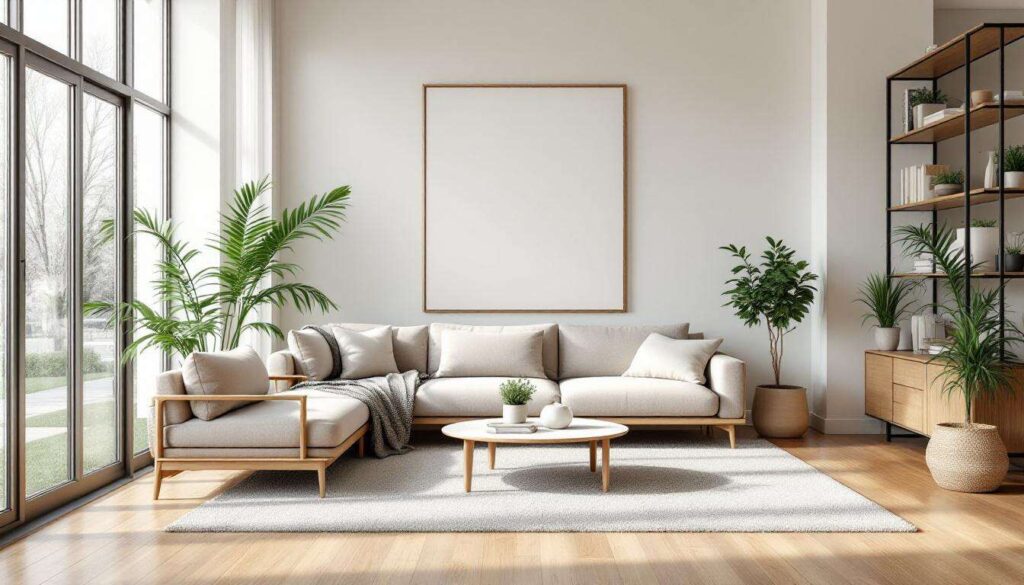
Interior design trends move in cycles, and what seems eternal today can quickly feel outdated tomorrow. Certain styles that dominated homes in recent years are now showing their age, revealing how even the most popular choices can lose their lustre. Understanding which trends are beginning to fade helps homeowners make more informed decisions about creating spaces that truly stand the test of time.
Mid-century interiors everywhere
The saturation of a once-beloved aesthetic
Mid-century modern design has enjoyed an extraordinary revival over the past decade, but its ubiquity has become its downfall. What was once a fresh approach to interior styling has become predictable and overused. The proliferation of identical tapered-leg furniture, starburst clocks, and geometric patterns has created a sense of sameness across countless homes. When every living room features the same iconic silhouettes, the style loses its distinctive appeal and begins to feel formulaic rather than inspired.
Moving beyond the mid-century formula
Homeowners seeking genuinely timeless interiors are now embracing a more eclectic approach that combines elements from various periods rather than adhering strictly to one design era. This shift reflects a broader desire for authenticity and personalisation over following prescribed aesthetic rules. The key characteristics that signal an overdone mid-century interior include:
- Matching furniture sets with identical wood tones throughout
- Obligatory Eames-style chairs in every dining area
- Excessive use of teak and walnut without variation
- Predictable colour combinations of mustard, teal, and orange
- Identical geometric wallpaper patterns seen in countless homes
As design sensibilities evolve, the focus shifts towards creating spaces that reflect individual stories rather than catalogue-perfect recreations of a specific era.
Faux chrome and outdated finishes
The problem with imitation materials
Cheap chrome-effect finishes and synthetic materials that attempt to mimic luxury are rapidly becoming markers of dated design. These inauthentic surfaces lack the depth and character of genuine materials, and their artificial appearance becomes increasingly obvious over time. Faux finishes that once seemed acceptable now appear tacky as consumers develop more sophisticated tastes and greater appreciation for authentic materials. The shiny, reflective surfaces that dominated bathroom fixtures, kitchen hardware, and lighting have lost their appeal as people recognise the superior quality of brushed metals and natural finishes.
Embracing authentic materials instead
The movement towards genuine materials reflects a broader cultural shift towards sustainability and quality over quantity. Rather than selecting finishes based solely on initial cost, homeowners are investing in pieces that will age gracefully and maintain their appeal. This approach considers the long-term value of materials that develop a beautiful patina rather than simply deteriorating. The preference now leans towards finishes that offer warmth and texture, creating interiors with genuine character.
These material choices connect naturally to broader decisions about furniture selection and overall aesthetic direction.
Furniture with too much glamorous shine
When sparkle becomes excessive
Overly glamorous furniture featuring excessive metallic finishes, mirrored surfaces, and high-gloss lacquers has reached its saturation point. Whilst a touch of reflective elegance can add sophistication, rooms dominated by shiny surfaces feel cold and impersonal. The trend towards maximalist glamour, characterised by gold-trimmed everything and mirror-panelled furniture, creates spaces that photograph well but prove uncomfortable to live in daily. These pieces often prioritise visual impact over functionality, resulting in furniture that looks impressive but fails to create a welcoming atmosphere.
The shift towards tactile comfort
Contemporary design increasingly values pieces that invite touch and use, favouring natural textures over synthetic shine. Furniture selections now prioritise:
- Natural wood grains with matte or satin finishes
- Soft, textured fabrics in rich, varied tones
- Organic shapes that emphasise comfort
- Handcrafted details that showcase artisanal skill
- Materials that age beautifully rather than simply wearing out
This emphasis on authentic materials and tactile appeal extends beyond furniture choices into entire room schemes, particularly in spaces where functionality matters most.
All-white kitchens
The decline of monochrome monotony
The all-white kitchen, once the gold standard of contemporary design, now feels sterile and lacking in personality. These characterless spaces dominated property listings and home improvement shows, creating an expectation that white equalled timeless. However, the reality of living with entirely white kitchens has proven less appealing than the pristine photographs suggested. Maintenance challenges, the cold atmosphere, and the sheer ubiquity of the trend have contributed to its declining popularity. Homeowners are discovering that monochrome schemes, whilst initially striking, fail to create the warmth and individuality that make a kitchen truly welcoming.
Introducing warmth and character
Modern kitchen design embraces colour, texture, and varied materials to create spaces with genuine personality. This evolution includes:
| Dated approach | Contemporary alternative |
|---|---|
| All-white cabinetry | Two-tone cabinets with rich colours |
| White marble countertops | Warm stone or wood surfaces |
| Glossy white tiles | Textured, coloured backsplashes |
| Chrome fixtures throughout | Mixed metals with aged finishes |
The kitchen transformation reflects a broader reconsideration of how colour functions throughout the home.
Uniform neutral colour palettes
Beyond beige and grey uniformity
Monochromatic neutral schemes, particularly those dominated by grey or beige, have become synonymous with safe but uninspired design choices. These palettes proliferated as supposedly timeless options, yet their overwhelming presence has rendered them instantly recognisable as products of a specific era. The problem lies not with neutral colours themselves but with their uniform application throughout entire homes without variation, depth, or personality. Rooms decorated exclusively in shades of grey or beige lack the visual interest and emotional warmth that make spaces truly liveable.
Embracing colour and pattern diversity
The shift away from uniform neutrals involves introducing layers of colour, pattern, and texture that create visual richness. This approach doesn’t mean abandoning neutrals entirely but rather using them as a foundation for more complex schemes. Successful contemporary interiors incorporate:
- Rich, saturated accent colours that add depth and energy
- Mixed patterns in complementary scales and styles
- Varied textures that create tactile interest
- Personal collections and heirloom pieces with history
- Hand-painted ceramics and artisanal objects
- Organic shapes that soften geometric architecture
This layered approach creates eclectic vignettes that feel collected over time rather than purchased all at once. The emphasis on multifunctional designs that adapt to changing needs, particularly with increased working from home, ensures spaces remain relevant and practical. By moving away from prescribed colour schemes towards more personalised selections, homeowners create interiors that genuinely reflect their lives rather than following temporary trends.
Design trends inevitably evolve, but understanding why certain styles date helps create spaces with lasting appeal. Moving away from oversaturated aesthetics, inauthentic materials, excessive shine, monochrome kitchens, and uniform neutrals opens opportunities for more personalised, authentic interiors. The most enduring spaces balance contemporary sensibilities with individual expression, prioritising quality materials, thoughtful colour use, and pieces with genuine character. By focusing on warmth, authenticity, and adaptive functionality rather than chasing fleeting trends, homeowners can create environments that remain relevant and welcoming for years to come.