



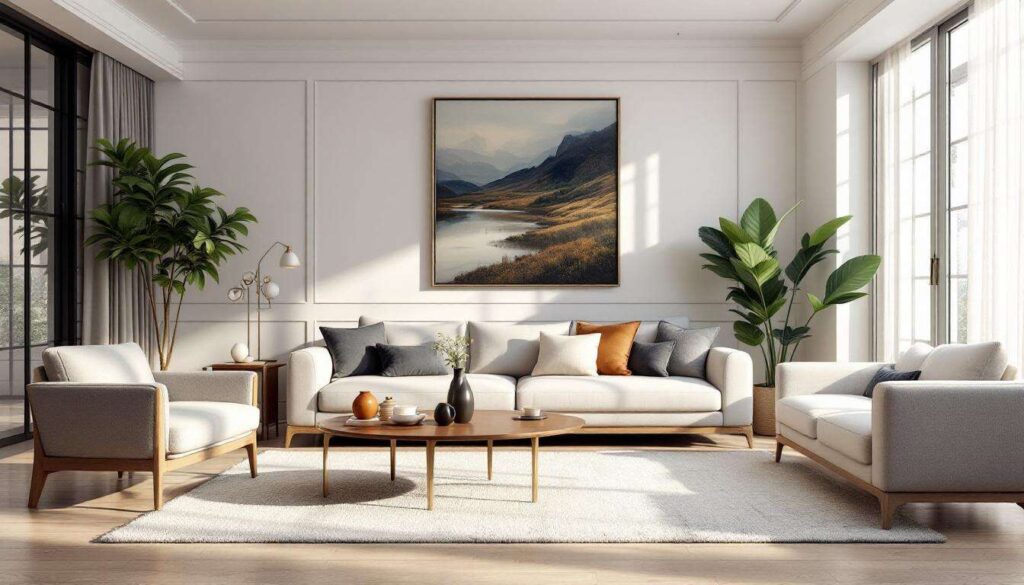
The living room remains one of the most revealing spaces in any home, offering silent testimony to the occupants’ socio-economic background. From the choice of furniture to the arrangement of decorative objects, every element contributes to a visual narrative that trained observers can decode with surprising accuracy. Interior designers and sociologists alike have long recognised that our domestic choices reflect far more than personal taste, they mirror deeply ingrained class distinctions and economic realities.
Books on display
The presence and presentation of books in a living room serves as one of the most telling indicators of social class. Upper-class households typically feature carefully curated shelves displaying leather-bound classics, art monographs, and intellectually prestigious titles. These volumes often function as cultural signifiers rather than current reading material, arranged with aesthetic precision to convey education and refinement.
The working-class approach to books
In contrast, working-class homes may contain books but rarely display them prominently. When visible, they tend towards practical purposes:
- Cookery books with well-worn pages
- DIY manuals and repair guides
- Popular fiction in paperback format
- Children’s educational materials
The truly wealthy sometimes maintain separate libraries entirely, leaving their main living spaces devoid of books altogether. This paradoxical absence can signal access to dedicated reading rooms and extensive private collections housed elsewhere in the property.
Beyond books, the walls themselves tell equally revealing stories through the art chosen to adorn them.
Artworks on the walls
Artwork selection provides immediate insight into both financial means and cultural capital. Upper-class living rooms frequently showcase original paintings, limited edition prints, or professionally framed pieces acquired through galleries. The emphasis falls on quality over quantity, with each piece carefully selected to demonstrate sophisticated taste.
Mass-produced versus original art
| Social Class | Typical Wall Décor | Characteristics |
|---|---|---|
| Upper class | Original artworks, antiques | Investment pieces, gallery-sourced |
| Middle class | Reproductions, photography | Tasteful but affordable |
| Working class | Posters, family photos | Sentimental or decorative value |
Lower-income households often display mass-produced prints, motivational posters, or family photographs in standard frames. Whilst these choices reflect genuine personal meaning, they lack the cultural cachet associated with original or rare pieces. The framing quality itself reveals economic constraints, with budget frames and clip frames predominating over custom framing.
The window treatments chosen for a living room provide equally illuminating clues about social standing.
Choice of curtains
Window dressings represent a significant investment that clearly delineates class boundaries. Affluent homes typically feature bespoke curtains in luxurious fabrics such as silk, velvet, or heavy linen, often complemented by elaborate pelmets and coordinating tie-backs. These treatments are professionally measured, fitted, and may include additional layers such as sheers or blinds.
Budget-conscious window solutions
Working-class households demonstrate more pragmatic approaches:
- Ready-made curtains from high-street retailers
- Net curtains for privacy without expense
- Venetian or roller blinds as economical alternatives
- Mismatched or outdated patterns retained for functionality
Fabric quality serves as an immediate differentiator. Cheap polyester curtains that hang stiffly contrast sharply with the natural drape of expensive materials. The presence of professional installation, concealed tracks, and coordinated soft furnishings all signal higher socio-economic status.
Just as curtains frame the windows, the furniture itself frames the entire living space and its occupants’ circumstances.
Condition of furniture
The state and style of furniture pieces offer perhaps the most visceral indication of class position. Upper-class living rooms showcase matching suites in premium materials, designer pieces, or carefully selected antiques. The furniture appears well-maintained, professionally cleaned, and replaced before showing significant wear.
Mismatched pieces and practical choices
Lower-income households frequently display disparate furniture accumulated over time rather than purchased as coordinated sets. Sofas may show visible wear, with throws strategically positioned to conceal damaged upholstery. Functionality trumps aesthetics when economic constraints dictate choices.
The distinction extends to materials as well. Genuine leather, solid hardwoods, and quality upholstery fabrics characterise affluent spaces, whilst budget alternatives such as faux leather, particleboard, and synthetic fabrics predominate in working-class homes. Scratches, stains, and structural repairs become class markers when resources prevent replacement.
Modern technology integration within the living space reveals further socio-economic divisions.
Multimedia installation
The prominence and sophistication of entertainment systems clearly demarcate class boundaries. In lower-income homes, a large television often dominates the room as the central focal point, housed in a substantial entertainment unit that commands attention. This arrangement reflects television’s role as primary, affordable entertainment.
Discreet versus dominant technology
Affluent households take markedly different approaches:
- Wall-mounted screens with concealed wiring
- Integrated sound systems with invisible speakers
- Smart home technology seamlessly incorporated
- Multiple zones for different media consumption
The discretion of technology in upper-class spaces signals that entertainment represents just one aspect of a varied lifestyle rather than the primary focus. Cable management, professional installation, and high-end equipment brands all contribute to this class distinction. Budget constraints in working-class homes often result in visible wires, freestanding speakers, and older technology retained beyond its fashionable lifespan.
Personal memories and family connections find expression through photographic displays that vary considerably across class lines.
Arrangement of family photos
Family photographs appear across all social classes but their presentation differs markedly. Upper-class homes feature professionally taken portraits in expensive frames, often limited to formal occasions and displayed with restraint. The emphasis falls on quality and curation rather than comprehensive documentation.
Sentimental displays versus curated galleries
Working-class living rooms frequently showcase abundant family photos covering multiple surfaces and walls. These collections include:
- Casual snapshots alongside formal portraits
- Multiple generations represented extensively
- Budget frames of varying styles and conditions
- Holiday souvenirs and children’s achievements
This abundance reflects emotional wealth and family pride, compensating perhaps for limited financial resources. The photographs themselves tell stories of connection and continuity valued above aesthetic coordination. Middle-class homes often strike a balance, displaying fewer but still meaningful images in coordinated frames.
These subtle indicators combine to create a comprehensive portrait of socio-economic position. The living room functions as a stage where class distinctions play out through countless small choices, each reflecting the intersection of personal taste, cultural capital, and economic reality. Understanding these markers illuminates how deeply class permeates domestic life, shaping not merely what we can afford but how we choose to present ourselves within our most intimate spaces. The objects we surround ourselves with speak volumes about our place in society’s complex hierarchy, whether we consciously intend them to or not.