


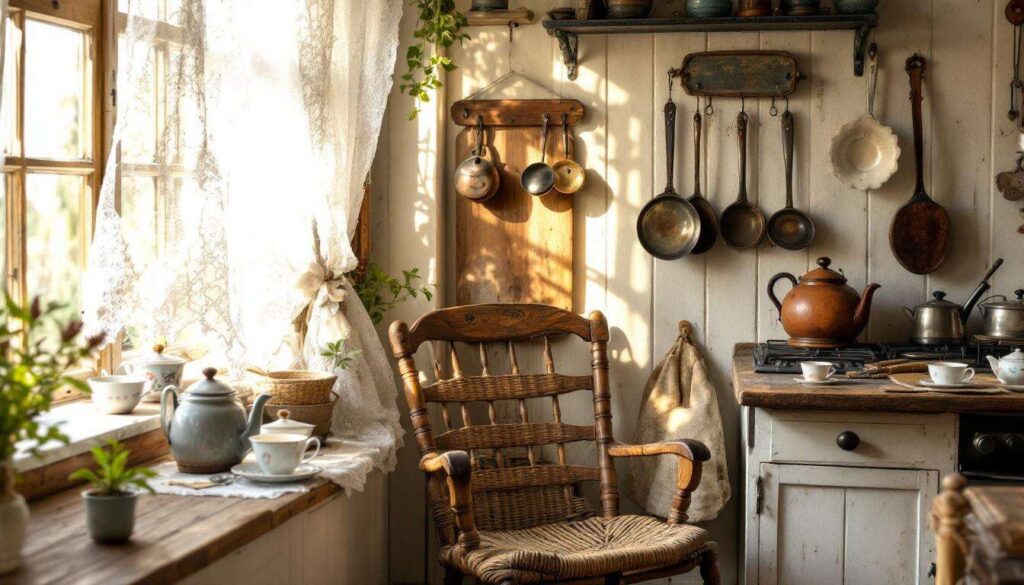
Many households today rush to clear out older possessions, viewing them as outdated clutter rather than valuable heirlooms. Yet the items passed down from previous generations often possess qualities that modern mass-produced goods simply cannot replicate. From exquisite craftsmanship to enduring materials, these treasures from grandma’s house deserve a second look before being consigned to the skip. Understanding their worth can transform your living space whilst honouring family heritage and embracing sustainable living practices.
The hidden treasures of china crockery
Delicate porcelain with gilded edges
Fine china represents generations of craftsmanship that modern manufacturing rarely matches. Those delicate porcelain cups with their gilded edges, though perhaps slightly worn, carry far more history than today’s mass-produced alternatives. Even if the original pattern doesn’t immediately appeal to contemporary tastes, these pieces can be creatively integrated into modern table settings. Interior designers frequently recommend mixing vintage china with contemporary plates to create distinctive tablescapes that tell a story whilst maintaining visual interest.
Heirloom glassware for everyday elegance
Ornate glasses inherited from previous generations shouldn’t languish in cupboards awaiting special occasions. Daily use of these pieces brings several advantages:
- They add instant elegance to ordinary meals
- Regular handling keeps them in better condition than long-term storage
- They evoke memories and strengthen family connections
- Their quality often surpasses modern equivalents
The beauty of vintage glassware lies in its ability to transform mundane moments into occasions worth savouring. These pieces were designed during an era when aesthetics mattered as much as functionality, resulting in items that enhance both your table and your daily experience.
Beyond their practical applications, both china and glassware serve as conversation starters, connecting present-day gatherings with family traditions and stories from the past. This connection to heritage naturally extends to other decorative items that adorned grandma’s home.
Traditional craftsmanship: jewellery and silverware
Vintage silverware beyond formal dining
Many people dismiss inherited silverware as too formal for everyday use, relegating it to storage where it tarnishes and loses its lustre. However, these pieces can be creatively showcased in contemporary settings. The vintage aspect of well-crafted silverware complements both rustic and modern interior schemes, adding textural interest and historical depth to your décor. Consider displaying ornate serving pieces as wall art or using antique spoons as plant markers in your kitchen garden.
Family portraits and ancestral artwork
Portraits and artworks created by ancestors offer irreplaceable connections to family history. These pieces enrich your décor whilst strengthening intergenerational bonds. Hanging such works throughout your home celebrates your lineage and provides younger family members with tangible links to their heritage. Even amateur paintings or sketches possess value beyond their artistic merit, representing personal expression from another era.
| Item Type | Average Lifespan | Modern Equivalent Cost |
|---|---|---|
| Sterling silver cutlery set | 100+ years | £500-£2000 |
| Hand-painted portrait | Indefinite with care | £300-£1500 |
| Vintage jewellery box | 50-75 years | £150-£600 |
These crafted items demonstrate quality standards that have largely disappeared from mainstream manufacturing, making them increasingly valuable both sentimentally and financially. The personal touches found in handmade textiles further exemplify this irreplaceable quality.
Literary keepsakes: old books and vintage magazines
Recipe collections spanning generations
Old cookbooks and handwritten recipe compilations represent culinary heritage passed from one generation to another. These collections offer far more than instructions for preparing food; they provide insights into historical eating habits, seasonal cooking practices, and family preferences. Many recipes include personal annotations and modifications that reveal how dishes evolved within your family over decades.
Vintage publications as historical documents
Magazines and books from previous decades serve as fascinating time capsules. They document:
- Social attitudes and cultural norms of their era
- Advertising styles and consumer trends
- Fashion evolution and design aesthetics
- Language usage and writing conventions
- Technological developments and innovations
Beyond their historical value, vintage books with beautiful bindings and quality paper add visual warmth to bookshelves and side tables. The craftsmanship evident in older publications, from embossed covers to illustrated endpapers, contrasts sharply with today’s disposable paperbacks. These literary treasures complement the practical heirlooms found in grandma’s kitchen.
Culinary inheritance: cast iron utensils and pots
Durability that spans generations
Cast iron cookware represents exceptional value in terms of both longevity and cooking performance. Unlike modern non-stick pans that deteriorate within years, properly maintained cast iron improves with age. The seasoning developed over decades of use creates a naturally non-stick surface that cannot be replicated in new purchases. These utensils were designed during an era when planned obsolescence didn’t exist, resulting in products built to last indefinitely.
Superior cooking properties
Cast iron’s thermal properties make it ideal for contemporary cooking methods. The material distributes heat evenly, maintains consistent temperatures, and transitions seamlessly from stovetop to oven. Modern chefs increasingly appreciate these qualities, with vintage cast iron commanding premium prices in specialist shops. Inherited pieces offer:
- Superior heat retention for perfect searing
- Natural non-stick properties when properly seasoned
- Versatility across all cooking methods
- Chemical-free cooking surfaces
- Increased iron content in prepared foods
The nostalgic appeal of cooking with grandma’s pots adds emotional value to meal preparation, connecting present-day cooking with family culinary traditions. This blend of practicality and sentiment extends to the furniture that once filled her living spaces.
The timeless elegance of solid wood furniture
Construction quality versus modern alternatives
Furniture from previous generations typically features solid wood construction with joinery techniques that ensure structural integrity for decades. Compare this with contemporary flat-pack furniture constructed from particleboard and you’ll understand why inherited pieces deserve preservation. Traditional furniture makers used:
- Dovetail joints that strengthen over time
- Mortise and tenon connections for stability
- Solid hardwoods rather than veneers
- Hand-finished surfaces with natural oils
Aesthetic versatility in modern interiors
Solid wood furniture possesses remarkable adaptability to various decorating styles. A mid-century sideboard works beautifully in minimalist spaces, whilst Victorian pieces add character to eclectic rooms. Refinishing or repainting inherited furniture allows you to honour its craftsmanship whilst adapting its appearance to suit your aesthetic preferences.
| Furniture Type | Typical Age | Restoration Potential |
|---|---|---|
| Oak dining table | 50-100 years | Excellent |
| Mahogany dresser | 60-120 years | Very good |
| Pine wardrobe | 40-80 years | Good |
Environmental and financial benefits
Retaining inherited furniture represents sustainable living at its finest. By preserving these pieces, you avoid contributing to furniture waste whilst reducing demand for newly manufactured items. The financial advantages prove equally compelling, as quality antique furniture often appreciates in value whilst modern alternatives depreciate immediately upon purchase. Restoration costs typically remain far lower than purchasing equivalent new pieces of comparable quality.
The items passed down from previous generations offer far more than nostalgic value. They represent superior craftsmanship, sustainable choices, and tangible connections to family history. By recognising the worth of china, silverware, cast iron cookware, vintage publications, and solid wood furniture, we can create living spaces that honour the past whilst serving present needs. These treasures deserve preservation not merely for sentimental reasons, but because they often surpass modern equivalents in quality, durability, and character. Integrating grandma’s possessions into contemporary homes creates environments rich with stories and substance, proving that the old and new can coexist beautifully when we take time to appreciate enduring value.