


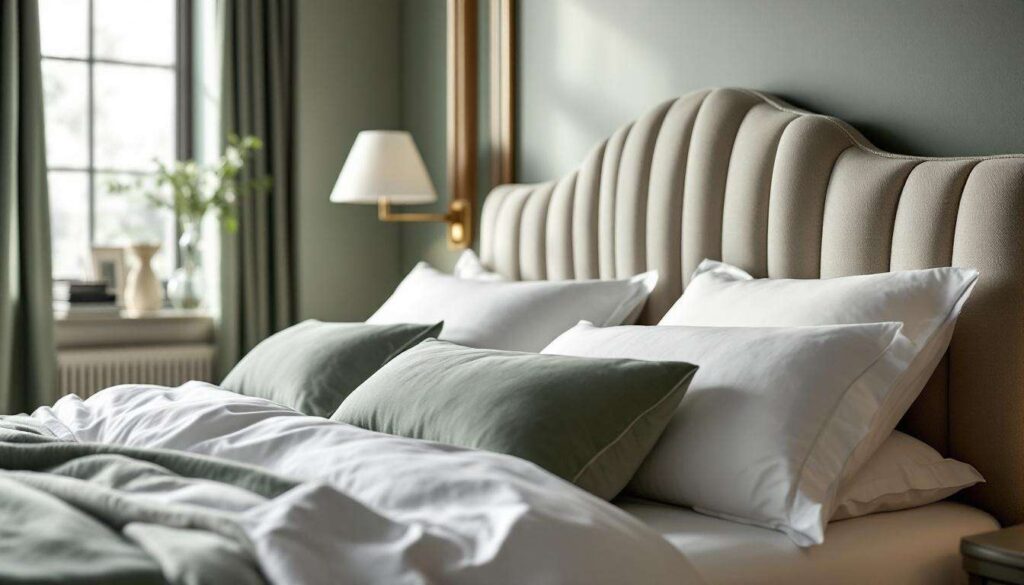
The bedroom remains one of the most personal spaces in any home, yet certain design elements consistently slip beneath the radar during renovation projects. Whilst homeowners invest considerable thought into selecting mattresses, linens, and colour schemes, the headboard collar frequently receives little more than a passing glance. This modest component, which frames the junction between headboard and wall, possesses far greater influence over both visual harmony and practical comfort than its understated presence might suggest.
The importance of the headboard collar in bedroom decoration
Defining the visual anchor point
The headboard collar serves as the architectural bridge between bed and wall, establishing a clear focal point that guides the eye upon entering the room. Without this defining element, beds can appear disconnected from their surroundings, floating awkwardly within the space rather than integrating naturally into the overall design scheme. Interior designers consistently emphasise that a well-executed headboard collar grounds the sleeping area, providing visual weight that balances other furnishings and prevents the room from feeling disjointed.
Creating cohesion through material selection
The choice of materials for a headboard collar directly influences how successfully the bed relates to surrounding décor. Upholstered collars in complementary fabrics can echo curtains or accent chairs, whilst wooden finishes might mirror flooring or furniture pieces. This material continuity establishes subtle connections throughout the space that contribute to a sense of intentional design rather than haphazard assembly.
| Material Type | Visual Impact | Maintenance Level |
|---|---|---|
| Upholstered fabric | Soft, luxurious appearance | Moderate to high |
| Solid wood | Traditional, substantial presence | Low |
| Metal framework | Contemporary, minimalist aesthetic | Very low |
| Leather or faux leather | Sophisticated, clean lines | Low to moderate |
Beyond purely aesthetic considerations, the headboard collar fulfils essential protective functions that extend the longevity of both furniture and wall surfaces.
The lesser-known benefits of a headboard collar
Wall protection and preservation
One of the most practical yet overlooked advantages of a properly designed headboard collar involves safeguarding wall surfaces from daily wear. Pillows constantly shift during sleep, headboards receive pressure from occupants reading or watching television, and cleaning activities create friction against painted or papered surfaces. A robust collar design absorbs these impacts, preventing scuff marks, paint chips, and wallpaper tears that would otherwise require frequent touch-ups or complete redecorations.
Enhanced acoustic properties
Upholstered headboard collars contribute to improved sound absorption within the bedroom environment. The padded materials dampen noise transmission through walls whilst also reducing echo within the room itself, creating a quieter, more restful atmosphere conducive to quality sleep. This acoustic benefit proves particularly valuable in urban dwellings or homes with thin partition walls.
Additional functional advantages
- Provides comfortable support for sitting upright in bed whilst reading or working
- Creates a defined boundary that prevents pillows from slipping behind the mattress
- Offers opportunities for integrated storage solutions or concealed lighting fixtures
- Helps regulate temperature by adding insulation between bed and exterior walls
- Accommodates charging stations or device holders without visible cable clutter
These practical considerations extend well beyond mere decoration, transforming the headboard collar from optional embellishment into essential bedroom infrastructure. The spatial impact of this component deserves equally careful examination.
How the headboard collar renovates the space
Vertical emphasis and ceiling height perception
A thoughtfully proportioned headboard collar can dramatically alter perceived room dimensions through strategic use of vertical lines. Tall, narrow collar designs draw the eye upward, creating an illusion of greater ceiling height that makes compact bedrooms feel more spacious. Conversely, wider, lower-profile collars emphasise horizontal planes, lending breadth to narrow rooms and establishing a sense of calm stability.
Colour psychology and spatial manipulation
The colour selection for headboard collars wields considerable influence over how occupants experience bedroom proportions. Darker tones recede visually, making the wall appear further away and potentially enlarging the perceived floor space. Lighter shades advance toward the viewer, creating intimacy and warmth but potentially making small rooms feel more confined. Matching the collar to wall colours creates seamless integration, whilst contrasting hues establish clear architectural boundaries.
Texture and dimensional depth
Beyond flat colour application, textured headboard collars introduce three-dimensional interest that adds complexity to otherwise plain wall surfaces. Quilted upholstery, carved wood details, or woven materials create shadow play that changes throughout the day as natural light shifts. This dynamic quality prevents visual monotony and maintains engagement with the space over extended periods of occupation.
The transformative spatial qualities of headboard collars work in concert with their capacity to unify disparate design elements into cohesive bedroom schemes.
The headboard collar, an asset for a harmonious setting
Bridging style periods and design languages
Bedrooms frequently contain furniture pieces acquired over time, representing various style periods and aesthetic approaches. A carefully selected headboard collar can mediate between these competing influences, incorporating design cues from both traditional and contemporary pieces to establish common ground. A collar featuring clean lines but executed in classic materials, for instance, might successfully unite modern bedside tables with vintage dressers.
Balancing proportions across furniture groupings
The headboard collar establishes visual weight that should correspond appropriately to other bedroom furnishings. Oversized wardrobes or substantial chest-of-drawers require equally substantial headboard treatments to maintain equilibrium, whilst delicate, minimalist furniture benefits from restrained collar designs. This proportional relationship prevents any single element from dominating the space whilst ensuring the bed retains its rightful position as the room’s primary focus.
Coordinating pattern and ornamentation levels
In bedrooms featuring patterned wallpapers, busy textiles, or ornate architectural details, the headboard collar provides an opportunity to either amplify or counterbalance existing visual complexity. Rooms already rich in pattern benefit from solid, unadorned collars that offer visual respite, whilst minimalist spaces can accommodate more decorative headboard treatments without overwhelming the senses.
Understanding these harmonising principles enables homeowners to make informed decisions when incorporating headboard collars into their personal spaces.
Tips for integrating a headboard collar into your bedroom
Measuring and proportional planning
Successful headboard collar integration begins with accurate measurements and proportional calculations. The collar should typically extend at least fifteen centimetres beyond the mattress width on each side, creating adequate visual frame without appearing disproportionately large. Height considerations depend on ceiling elevation and personal preference, though most designers recommend collar heights between ninety and one hundred fifty centimetres from floor level.
Practical installation considerations
- Ensure wall studs can support the collar’s weight, particularly for substantial upholstered designs
- Account for skirting board profiles when determining bottom edge placement
- Consider accessibility to wall sockets and switches before finalising positioning
- Allow clearance for bedding movement and pillow placement during normal use
- Plan for future redecorating by selecting removable or adaptable mounting systems
Coordinating with existing elements
Rather than treating the headboard collar as an isolated component, successful integration requires consideration of existing bedroom elements. Examine curtain fabrics, carpet colours, and artwork frames to identify connecting threads that the collar might echo or complement. This approach creates intentional design relationships rather than accidental matches.
With foundational integration principles established, more adventurous design approaches become accessible to those seeking distinctive bedroom character.
Bold design with a headboard collar
Statement-making materials and finishes
Conventional headboard collars typically employ neutral fabrics or natural wood tones, but adventurous design schemes benefit from more daring material selections. Metallic finishes introduce glamorous sophistication, whilst richly coloured velvets create sumptuous luxury. Unconventional materials such as reclaimed timber, decorative tiles, or even living plant walls transform the headboard collar into a genuine artistic statement that defines the entire bedroom aesthetic.
Architectural experimentation
Beyond traditional rectangular forms, contemporary headboard collars explore varied geometric configurations that challenge conventional bedroom layouts. Arched tops evoke classical elegance, asymmetrical designs inject dynamic energy, and extended collars that wrap partially along adjacent walls create immersive sleeping alcoves. These architectural explorations require careful planning but deliver truly distinctive results.
Integrated technology and functionality
Modern headboard collars increasingly incorporate technological features that enhance bedroom functionality without compromising aesthetic appeal. Concealed LED lighting systems provide adjustable illumination for reading, whilst integrated USB charging ports eliminate bedside cable tangles. Some designs incorporate sound systems or adjustable backrests, transforming the headboard collar from passive decoration into active lifestyle enhancement.
The headboard collar represents far more than decorative afterthought, functioning instead as crucial design element that influences comfort, aesthetics, and spatial perception. Its capacity to protect walls, improve acoustics, and unify disparate furnishings justifies careful consideration during bedroom planning. Whether homeowners select understated elegance or bold architectural statements, this frequently overlooked component deserves recognition as essential bedroom infrastructure rather than optional embellishment.