



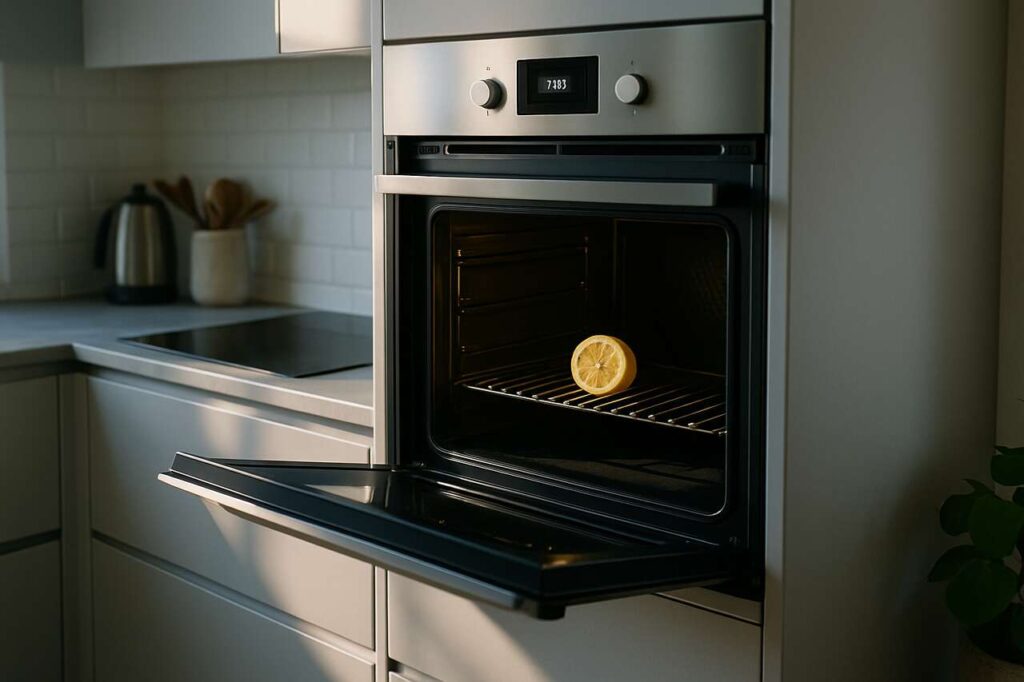
British households are discovering that a simple kitchen staple can revolutionise their approach to oven maintenance. The practice of placing lemon slices in a cold oven has rapidly gained traction across the UK, transforming how families tackle one of the most dreaded cleaning tasks. This natural method combines simplicity with effectiveness, offering an alternative to harsh chemical cleaners whilst delivering impressive results. As environmental awareness grows and consumers seek budget-friendly solutions, this citrus-based technique represents a shift towards more sustainable household practices.
Introduction to the new trend: lemon in the oven
Origins of the lemon cleaning method
The technique of using lemon for oven cleaning has roots in traditional household wisdom, but its recent surge in popularity stems from social media platforms and online communities. British homemakers have shared their experiences across forums and video platforms, demonstrating the remarkable transformation achieved with this straightforward approach. The method involves placing lemon slices in a cold oven before heating, allowing the natural acids and oils to work their magic on stubborn grease and grime.
Why UK households are embracing this practice
Several factors contribute to the widespread adoption of this cleaning habit:
- Rising costs of commercial cleaning products prompting searches for economical alternatives
- Increased awareness of chemical exposure in household environments
- Growing preference for natural, biodegradable cleaning solutions
- Simplicity of the method requiring minimal effort and preparation
- Accessibility of lemons as a readily available ingredient
The appeal extends beyond practicality, as households appreciate the fresh citrus scent that replaces the typical harsh chemical odours associated with oven cleaning. This sensory benefit has proven particularly attractive to families with young children or pets who may be sensitive to conventional cleaning products.
Understanding the advantages of this method requires examining the scientific properties that make lemon such an effective cleaning agent.
The unexpected benefits of lemon on appliances
Natural degreasing properties
Lemons contain citric acid, a powerful natural compound that breaks down grease and burnt-on food residues. When heated, the acid vaporises and penetrates even the most stubborn deposits, loosening them from oven surfaces. This chemical reaction occurs without the need for scrubbing or harsh abrasives, making the subsequent cleaning process significantly easier. The d-limonene found in lemon peel further enhances the degreasing action, dissolving oils that typically resist water-based cleaners.
Antibacterial and deodorising effects
Beyond cleaning, lemons offer antimicrobial properties that sanitise oven interiors. The acidic environment created by lemon juice inhibits bacterial growth and neutralises unpleasant odours rather than merely masking them. This dual action ensures ovens are not only visibly clean but also hygienically safe for food preparation.
Protective benefits for appliance longevity
| Benefit | Impact on appliance |
|---|---|
| Gentle cleaning action | Reduces surface scratching and wear |
| Non-corrosive formula | Preserves protective coatings and finishes |
| Moisture regulation | Prevents rust formation in vulnerable areas |
| Natural pH balance | Maintains material integrity over time |
Regular use of lemon cleaning can actually extend the lifespan of kitchen appliances by avoiding the degradation caused by aggressive chemical cleaners. The gentle nature of citric acid means enamel surfaces, glass doors, and metal components remain intact whilst achieving thorough cleanliness.
Implementing this method correctly ensures maximum effectiveness and safety.
How is lemon used to clean a cold oven ?
Step-by-step preparation process
The technique begins with a completely cold oven, which is crucial for safety and effectiveness. Follow these steps for optimal results:
- Remove all oven racks, trays, and loose debris from the interior
- Slice two to three fresh lemons into halves or quarters
- Place the lemon pieces in an oven-safe dish filled with water
- Position the dish on the middle rack of the cold oven
- Set the oven temperature to 120°C (approximately 250°F)
- Allow the oven to heat for 30 to 45 minutes
- Turn off the heat and leave the door closed for an additional hour
The cleaning phase
Once the oven has cooled sufficiently to touch safely, the actual cleaning becomes remarkably straightforward. The steam and citric acid will have loosened grime, allowing it to be wiped away with a damp cloth or sponge. For particularly stubborn spots, dipping the cloth in the lemon water provides extra cleaning power. The entire process typically requires minimal scrubbing, with most residue lifting away effortlessly.
Safety considerations and precautions
Whilst this method is generally safe, certain precautions ensure the best outcomes. Never use this technique immediately after cooking, as the temperature differential could cause thermal shock. Ensure adequate ventilation during the heating process, and always use oven gloves when handling the hot dish. For self-cleaning ovens, consult the manufacturer’s guidelines before attempting this method, as some models have specific requirements.
Real experiences from British households reveal the practical impact of this cleaning approach.
Opinions of British households on this habit
Positive feedback from regular users
Families across the UK report significant satisfaction with the lemon cleaning method. Many highlight the reduced time spent on oven maintenance, with some claiming the task now takes half the duration of traditional cleaning sessions. Parents particularly appreciate the peace of mind that comes from using a natural product in an appliance used for food preparation. The absence of lingering chemical smells has proven especially popular amongst households with respiratory sensitivities.
Challenges and limitations noted
Not all experiences have been universally positive. Some users report that extremely neglected ovens with years of accumulated grease require multiple treatments or supplementary scrubbing. Others note that the method works best as part of regular maintenance rather than as a solution for severe build-up. A few households mention the need to use additional lemon slices for larger ovens to achieve comparable results.
Comparative effectiveness with commercial products
| Aspect | Lemon method | Chemical cleaners |
|---|---|---|
| Cost per cleaning | £0.50-£1.00 | £3.00-£8.00 |
| Time required | 90-120 minutes (mostly passive) | 30-60 minutes (active scrubbing) |
| Environmental impact | Minimal, biodegradable | Moderate to high |
| Effectiveness on heavy grime | Good for regular maintenance | Superior for severe build-up |
Maximising the results from this natural cleaning method involves understanding several key techniques.
Tips to maximise the effectiveness of lemon in the oven
Enhancing the cleaning power
Several additions can boost the effectiveness of lemon-based oven cleaning. Adding a tablespoon of white vinegar to the lemon water creates a more powerful acidic solution that tackles stubborn stains. Sprinkling baking soda on particularly grimy areas before the steaming process creates a gentle abrasive action when wiped. For enhanced deodorising, including herbs such as rosemary or thyme with the lemon slices provides additional aromatic benefits.
Optimal frequency and timing
Regular application prevents the accumulation of difficult-to-remove residues. Most households find that monthly treatments maintain oven cleanliness effectively, though frequency should increase with heavy usage. Performing the cleaning on weekends or during periods when the oven won’t be needed for several hours ensures the full process completes without disruption to meal preparation schedules.
Maintenance between deep cleans
- Wipe spills immediately after the oven cools to prevent baking on
- Place a sheet of foil or an oven liner beneath dishes prone to overflow
- Quick steam sessions with a single lemon half can refresh between thorough cleanings
- Regular inspection of door seals and hinges prevents grease accumulation in hidden areas
Exploring complementary methods provides additional options for environmentally conscious cleaning.
Alternatives and tips for eco-friendly cleaning
Other natural cleaning agents
Beyond lemons, several household items offer effective cleaning alternatives. Bicarbonate of soda mixed with water creates a paste suitable for scrubbing tough stains. White vinegar alone can be heated in a similar manner to lemon for degreasing and deodorising. Salt serves as a natural abrasive when combined with lemon juice, providing extra scrubbing power for burnt-on food. Essential oils such as tea tree or eucalyptus add antimicrobial properties whilst contributing pleasant fragrances.
Sustainable cleaning practices
Adopting environmentally responsible habits extends beyond product choice. Using reusable cloths instead of disposable wipes reduces waste significantly. Collecting and repurposing lemon rinds from cooking for cleaning purposes maximises resource efficiency. Choosing organic lemons when possible supports sustainable agriculture whilst avoiding pesticide residues in the home environment.
Combining methods for comprehensive results
| Cleaning challenge | Recommended combination |
|---|---|
| Light grease and odours | Lemon steam alone |
| Moderate build-up | Lemon steam plus bicarbonate paste |
| Heavy carbonised deposits | Vinegar pre-soak, lemon steam, salt scrub |
| Glass door streaks | Lemon juice with newspaper buffing |
The lemon oven cleaning method represents a significant shift towards natural household maintenance practices amongst British families. Its combination of effectiveness, affordability, and environmental responsibility addresses multiple concerns facing modern households. Whilst not a universal solution for every cleaning challenge, the technique offers substantial benefits for regular maintenance and moderate grime removal. The overwhelmingly positive reception from users suggests this trend will continue gaining momentum as more households discover the advantages of citrus-based cleaning. By incorporating this simple practice alongside other sustainable methods, families can maintain pristine ovens whilst reducing their environmental footprint and exposure to harsh chemicals. The accessibility and simplicity of the approach ensure it remains practical for households of all sizes and circumstances, cementing its place as a valuable addition to contemporary cleaning routines.