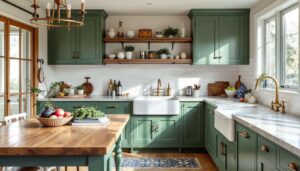
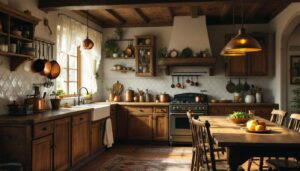
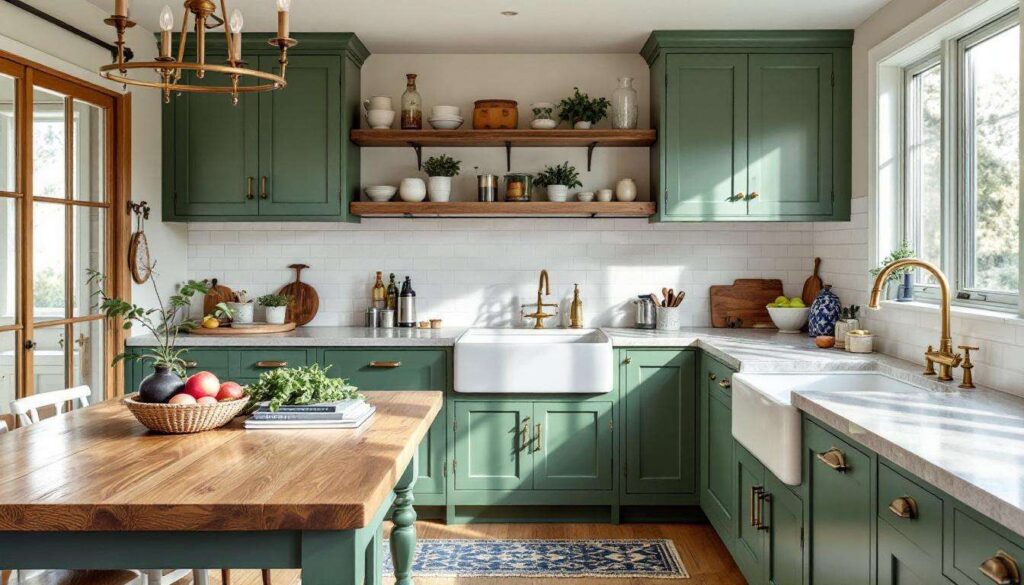
Kitchen design trends move in cycles, and what once seemed hopelessly outdated can suddenly become the height of sophistication. Designers are increasingly looking to the past for inspiration, breathing new life into features that our grandparents would have recognised. This revival isn’t about nostalgia alone; it’s about combining timeless aesthetics with modern functionality. From classic porcelain fixtures to warm brass accents, these once-abandoned elements are finding their way back into contemporary kitchens, proving that good design never truly goes out of style.
Return of porcelain sinks
The enduring appeal of white porcelain
Porcelain sinks, particularly the classic white farmhouse style, have made a remarkable comeback in modern kitchen design. After years of stainless steel domination, homeowners and designers are rediscovering the timeless elegance that porcelain brings to a space. These sinks offer a clean, bright aesthetic that complements both traditional and contemporary kitchen styles.
Practical advantages of porcelain
Beyond aesthetics, porcelain sinks deliver several functional benefits:
- Exceptional durability when properly maintained
- Resistance to staining and discolouration
- Easy cleaning with standard household products
- Heat resistance that protects against hot pots and pans
- Quieter operation compared to stainless steel alternatives
The resurgence of porcelain extends beyond simple white basins. Designers are now incorporating coloured porcelain options, from soft pastels to dramatic blacks, allowing homeowners to make bold statements whilst maintaining that classic feel. This renewed interest in porcelain naturally extends to other vintage-inspired elements that are gaining traction.
Revival of retro appliances
Aesthetic meets modern technology
Retro-styled appliances represent the perfect marriage of nostalgic design and cutting-edge technology. Brands like SMEG and Big Chill have capitalised on this trend, offering refrigerators, ovens, and small appliances that look like they’ve stepped out of the 1950s but perform with contemporary efficiency. These appliances serve as statement pieces, transforming kitchens into conversation starters.
Popular retro appliance choices
| Appliance Type | Key Features | Colour Options |
|---|---|---|
| Refrigerators | Rounded edges, chrome handles | Pastel blue, mint green, cream |
| Range cookers | Curved lines, enamel finish | Red, black, vintage white |
| Kettles and toasters | Streamlined shapes, metallic accents | Pink, turquoise, yellow |
The appeal lies not just in appearance but in the quality craftsmanship these designs evoke. Modern retro appliances often feature superior build quality and longer warranties than their purely contemporary counterparts. As homeowners embrace these vintage-inspired appliances, they’re also reconsidering how they display their kitchenware.
The craze for open shelves
From hidden to highlighted
Open shelving has emerged as one of the most significant shifts in kitchen storage philosophy. After decades of concealing everything behind closed cabinet doors, designers are now advocating for curated displays of dishes, glassware, and cooking essentials. This approach creates a more accessible and personal kitchen environment.
Benefits of open shelving systems
The practical advantages of open shelves extend beyond aesthetics:
- Improved accessibility to frequently used items
- Visual expansion of smaller kitchen spaces
- Lower installation costs compared to traditional cabinetry
- Flexibility to rearrange and update displays seasonally
- Encouragement of tidiness and organisation
Styling considerations
Successfully implementing open shelving requires thoughtful curation. Designers recommend displaying items that are both functional and attractive, creating layers of visual interest through varied heights and textures. The key is maintaining a balance between utility and aesthetics, ensuring shelves don’t become cluttered or overwhelming. This emphasis on visible, tactile elements connects naturally with the resurgence of metallic finishes.
The charm of brass handles
Warmth returns to kitchen hardware
Brass handles and fixtures have triumphantly returned after years in the wilderness. Where brushed nickel and chrome once reigned supreme, warm brass tones now provide a sophisticated alternative. This shift reflects a broader movement towards warmer, more inviting kitchen spaces that feel less clinical and more lived-in.
Varieties of brass finishes
| Finish Type | Characteristics | Maintenance Level |
|---|---|---|
| Polished brass | High shine, reflective | Regular polishing required |
| Brushed brass | Matte texture, subtle | Low maintenance |
| Unlacquered brass | Develops patina over time | Natural aging process |
| Antique brass | Pre-aged appearance | Minimal upkeep |
Coordinating brass elements
Designers recommend incorporating brass across multiple touchpoints for cohesive visual impact. This might include cabinet handles, tap fixtures, light fittings, and even appliance accents. The key is consistency in finish choice, ensuring all brass elements share similar undertones. As metallic accents gain prominence, attention turns to equally impactful surface treatments.
The popularity of cement tile backsplashes
Pattern and personality
Cement tiles, with their intricate geometric patterns and handcrafted quality, have become the backsplash of choice for design-conscious homeowners. These tiles originated in Mediterranean and Latin American architecture but have found new relevance in contemporary kitchens seeking character and authenticity.
Advantages of cement tiles
Beyond their undeniable visual appeal, cement tiles offer several practical benefits:
- Exceptional durability lasting decades with proper care
- Unique variations in each handmade tile
- Eco-friendly production methods using natural materials
- Wide range of patterns from subtle to bold
- Ability to create custom designs and colour combinations
Installation and maintenance considerations
Cement tiles require professional installation and proper sealing to protect against staining. Unlike ceramic or porcelain alternatives, these tiles are porous and need regular resealing, particularly in high-splash areas. However, devotees argue that the maintenance requirements are worthwhile given the unmatched aesthetic impact. This appreciation for natural materials extends to another classic kitchen element making waves.
Comeback of wooden countertops
Natural warmth in work surfaces
Wooden countertops, particularly butcher block styles, are experiencing renewed appreciation after years overshadowed by granite and quartz. These surfaces bring organic warmth and texture to kitchens, softening the hard edges of modern design whilst providing excellent functionality for food preparation.
Popular wood species for countertops
| Wood Type | Hardness Rating | Colour Profile |
|---|---|---|
| Maple | Very hard | Light cream to pale brown |
| Walnut | Medium-hard | Rich chocolate brown |
| Oak | Hard | Medium brown with grain |
| Cherry | Medium-hard | Reddish-brown, darkens with age |
Maintenance and longevity
Modern wooden countertops benefit from improved finishing techniques that enhance durability. Regular oiling maintains the wood’s moisture resistance and prevents cracking. Minor scratches and marks can be sanded out, giving these surfaces a unique ability to be refreshed over time. This self-healing quality appeals to homeowners seeking sustainable, long-term solutions rather than disposable design elements.
These once-forgotten kitchen features demonstrate that truly good design transcends temporary trends. By reintroducing porcelain sinks, retro appliances, open shelving, brass hardware, cement tiles, and wooden countertops, designers are creating spaces that honour craftsmanship whilst meeting modern needs. The revival of these elements proves that innovation doesn’t always mean looking forward; sometimes the most progressive choice is recognising the enduring value of what came before.