



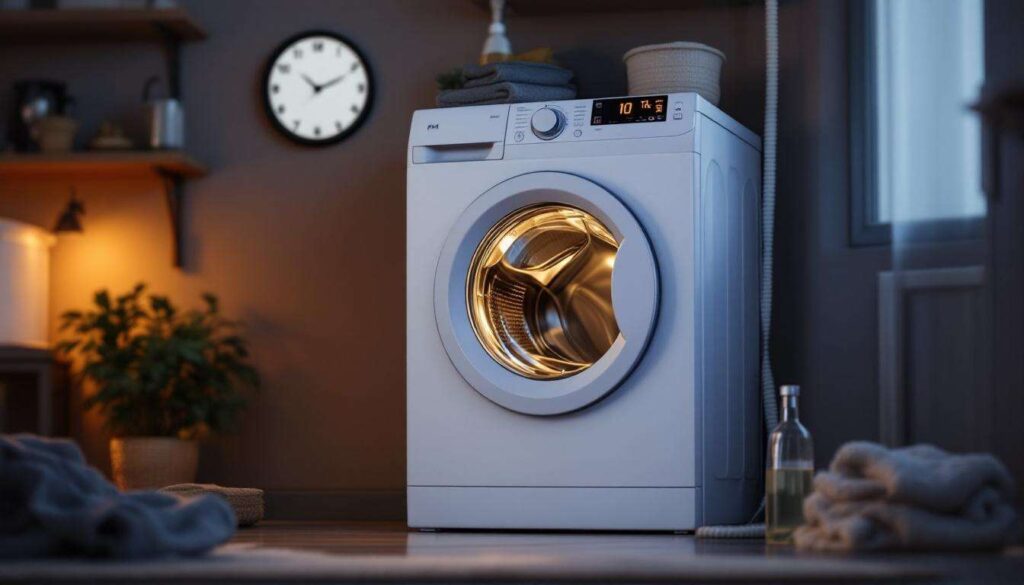
Household cleaning trends often emerge from unexpected corners of the internet, and the latest phenomenon sweeping through social media involves pouring white vinegar into washing machines specifically at 10pm. This peculiar timing has sparked curiosity amongst homeowners seeking efficient and natural cleaning solutions. The practice combines traditional cleaning wisdom with modern convenience, as users claim that running a vinegar cycle during off-peak evening hours delivers superior results whilst potentially reducing energy costs. What began as scattered advice on online forums has transformed into a widespread movement, with thousands of households adopting this nightly ritual. The trend reflects a broader shift towards eco-friendly cleaning alternatives and a desire to maximise appliance efficiency without relying on harsh chemical products.
What is the vinegar trend in the washing machine ?
The vinegar washing machine trend centres on adding white distilled vinegar to the appliance’s drum or detergent dispenser, typically during an empty hot cycle scheduled for 10pm. This specific timing has become integral to the trend, with proponents suggesting that running the cycle during evening hours allows the vinegar to work overnight, thoroughly cleaning and deodorising the machine’s interior components.
Origins of the 10pm timing
The emphasis on 10pm stems from several practical considerations. Many households benefit from off-peak electricity tariffs during late evening hours, making this an economically sensible choice. Additionally, running a cleaning cycle at night means the washing machine remains undisturbed for several hours, allowing residual vinegar vapours to penetrate seals, hoses, and hidden compartments where mould and bacteria accumulate. The timing also ensures the machine is fresh and ready for morning laundry tasks.
How the trend spread
Social media platforms, particularly TikTok and Instagram, have accelerated the trend’s popularity through viral videos demonstrating the process and showcasing results. Cleaning enthusiasts share before-and-after images of sparkling drum interiors and report significantly reduced musty odours. The hashtag #vinegarwashingmachine has accumulated millions of views, with users exchanging tips and modifications to the basic technique.
Understanding the practical advantages of this method reveals why so many households have embraced vinegar as their go-to washing machine cleaner.
The benefits of vinegar for your laundry
White vinegar offers numerous advantages for both washing machine maintenance and laundry care, making it a versatile addition to household cleaning routines.
Cleaning and descaling properties
Vinegar’s acetic acid content effectively dissolves limescale deposits that accumulate in washing machine pipes, heating elements, and drum surfaces. Hard water areas particularly benefit from regular vinegar treatments, as mineral build-up can reduce appliance efficiency and lifespan. The acidic solution breaks down soap scum and detergent residue that cling to internal components, restoring optimal performance.
Natural fabric softening
When added to the rinse cycle during regular laundry loads, vinegar acts as a natural fabric softener without leaving chemical residues on clothing. It helps remove detergent traces that can make fabrics feel stiff, resulting in softer towels and garments. Unlike commercial softeners, vinegar doesn’t coat fibres with synthetic compounds that reduce absorbency.
Odour elimination
The antibacterial properties of vinegar neutralise unpleasant smells rather than merely masking them. It tackles the root cause of musty washing machine odours by eliminating bacteria and mould colonies that thrive in damp environments. Regular vinegar treatments prevent the stale smell that often transfers to freshly washed clothes.
Additional advantages
- Brightens whites and prevents colour fading in dark garments
- Removes static cling from synthetic fabrics
- Helps dissolve stubborn stains when used as a pre-treatment
- Prevents lint and pet hair from adhering to clothing
- Maintains washing machine hygiene without toxic chemicals
Implementing this cleaning method correctly ensures maximum effectiveness whilst protecting your appliance from potential damage.
How to use vinegar in the washing machine
Proper application of vinegar in washing machines requires attention to dosage, frequency, and technique to achieve optimal results.
Step-by-step cleaning process
For a deep cleaning cycle, pour 500ml of white distilled vinegar directly into the empty washing machine drum. Select the hottest water setting available and run a complete wash cycle without any laundry or additional detergent. The high temperature activates the vinegar’s cleaning properties, allowing it to penetrate all internal surfaces. Once the cycle completes, leave the door ajar overnight to allow residual moisture to evaporate.
Using vinegar with laundry loads
To incorporate vinegar into regular washing, add 125ml to 250ml to the fabric softener compartment before starting the cycle. This timing ensures the vinegar enters during the rinse phase, providing fabric softening benefits without interfering with detergent effectiveness. Never mix vinegar directly with detergent in the same compartment, as the acid can neutralise cleaning agents.
Recommended frequency
| Water hardness | Deep clean frequency | Regular rinse use |
|---|---|---|
| Soft water | Monthly | Every 3-4 washes |
| Moderate hardness | Fortnightly | Every 2-3 washes |
| Hard water | Weekly | Every wash |
Enhancing the vinegar treatment
Some users combine vinegar with bicarbonate of soda for enhanced cleaning power. Add 100g of bicarbonate directly to the drum, followed by the vinegar, which creates a fizzing reaction that helps dislodge stubborn residue. This combination proves particularly effective for machines with persistent odour problems or heavy limescale accumulation.
Whilst vinegar offers remarkable cleaning benefits, certain precautions ensure safe and effective use without damaging your appliance.
Precautions to take when using vinegar
Despite its natural composition, vinegar requires careful handling to prevent potential issues with washing machine components and laundry items.
Rubber seal considerations
Excessive vinegar use can potentially degrade rubber door seals and hoses over time, particularly in front-loading machines. The acetic acid may cause seals to become brittle if exposed too frequently to concentrated solutions. Manufacturers generally recommend limiting deep vinegar cleans to once monthly, whilst regular rinse additions pose minimal risk when properly diluted.
Manufacturer warranty concerns
Some washing machine manufacturers explicitly advise against vinegar use in their care instructions, warning that damage caused by acidic substances may void warranties. Always consult your appliance manual before implementing vinegar treatments. Certain models with specialised coatings or components may react adversely to acidic solutions.
Fabric compatibility
Whilst vinegar suits most washable fabrics, certain materials require caution:
- Silk and acetate fibres may weaken when exposed to acidic solutions
- Elastic components in sportswear can degrade with frequent vinegar exposure
- Delicate lace and embroidered items may suffer colour changes
- Waterproof garments with special coatings may lose their protective properties
Avoiding vinegar and bleach combinations
Never mix vinegar with bleach or bleach-containing products, as this chemical reaction produces toxic chlorine gas. Always ensure the washing machine drum is completely empty of any cleaning products before adding vinegar. If you’ve recently used bleach, run an extra rinse cycle before introducing vinegar.
Proper ventilation
The strong smell of vinegar during cleaning cycles can be overwhelming in enclosed laundry spaces. Ensure adequate ventilation by opening windows or running extractor fans during and after the cleaning process. The odour dissipates completely once the cycle finishes and the machine dries, leaving no lingering smell on subsequent laundry loads.
Beyond household benefits, the vinegar trend aligns with broader environmental and financial considerations that appeal to conscious consumers.
The ecological and economic impact of vinegar
The shift towards vinegar-based cleaning reflects growing awareness of environmental sustainability and household budget management.
Environmental advantages
White vinegar represents a biodegradable alternative to synthetic washing machine cleaners that contain phosphates, surfactants, and artificial fragrances. These chemical compounds persist in waterways after treatment, contributing to aquatic ecosystem disruption. Vinegar breaks down naturally without leaving harmful residues, reducing the environmental footprint of household cleaning routines.
Reduced plastic waste
Purchasing vinegar in larger containers minimises plastic packaging compared to specialised cleaning products sold in single-use bottles. Many retailers now offer refill stations for vinegar, further reducing packaging waste. This approach aligns with zero-waste lifestyle principles gaining traction amongst environmentally conscious households.
Cost comparison analysis
| Product type | Average cost per treatment | Treatments per year | Annual cost |
|---|---|---|---|
| Commercial machine cleaner | £3.50 | 12 | £42.00 |
| White vinegar | £0.40 | 12 | £4.80 |
| Annual savings | — | — | £37.20 |
Energy efficiency benefits
Regular vinegar maintenance prevents limescale accumulation on heating elements, allowing washing machines to reach target temperatures more efficiently. Scaled elements require significantly more energy to heat water, increasing electricity consumption and operating costs. Clean machines also complete cycles faster, as unobstructed pumps and drainage systems function optimally.
Extended appliance lifespan
Preventative maintenance with vinegar reduces the likelihood of costly repairs or premature appliance replacement. Limescale-related failures represent common washing machine breakdowns, often requiring professional intervention. By maintaining internal cleanliness, households avoid repair bills averaging £80-£150 and delay the environmental impact of appliance disposal.
Real-world experiences from users provide valuable insights into the practical effectiveness of this cleaning trend.
User testimonials and feedback
Thousands of households have shared their experiences with the vinegar washing machine trend, offering perspectives on its effectiveness and limitations.
Positive experiences
Many users report dramatic improvements in washing machine freshness after implementing regular vinegar treatments. Sarah Thompson from Manchester noted that her five-year-old machine, which had developed a persistent musty smell, became completely odour-free after just two 10pm vinegar cycles. She particularly appreciated that her towels no longer carried the stale scent that had previously transferred from the machine.
James Mitchell, a father of three from Birmingham, highlighted the economic benefits of switching to vinegar. His household previously spent approximately £40 annually on commercial cleaning tablets, but vinegar reduced this cost to under £5 whilst delivering comparable results. He also noticed improved fabric softness when adding vinegar to rinse cycles.
Challenges and limitations
Not all feedback has been universally positive. Some users with particularly hard water report that vinegar alone proved insufficient for severe limescale problems, requiring supplementary treatments with dedicated descaling products. Others found the initial vinegar smell during cleaning cycles unpleasant, though most acknowledged it dissipated completely.
Common observations
- Visible reduction in detergent residue and soap scum after three treatments
- Improved drainage speed in machines with previous slow-emptying issues
- Reduced need for fabric softener in regular laundry loads
- Whiter whites and brighter colours after consistent use
- Decreased static cling in synthetic fabrics
Professional perspectives
Appliance repair technicians offer mixed opinions on the trend. Whilst acknowledging vinegar’s effectiveness for routine maintenance, some caution that it cannot replace professional servicing for machines with mechanical issues. They recommend vinegar as a preventative measure rather than a solution for existing malfunctions, emphasising that blocked filters, damaged pumps, or worn bearings require technical intervention.
The vinegar washing machine trend demonstrates how traditional cleaning methods can address modern household needs effectively. This approach combines natural descaling properties with fabric care benefits whilst offering significant environmental and economic advantages over commercial alternatives. The specific 10pm timing optimises energy costs and allows thorough overnight treatment, though the core benefits apply regardless of when users run their cleaning cycles. Proper application requires attention to dosage, frequency, and compatibility with individual appliances and fabrics. Whilst not a universal solution for all washing machine problems, regular vinegar maintenance prevents common issues like limescale build-up, odour development, and detergent residue accumulation. The widespread adoption of this method reflects growing consumer preference for sustainable, cost-effective household solutions that deliver tangible results without relying on harsh chemicals.