


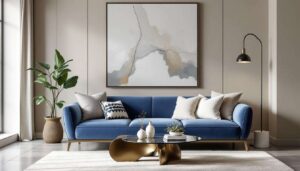
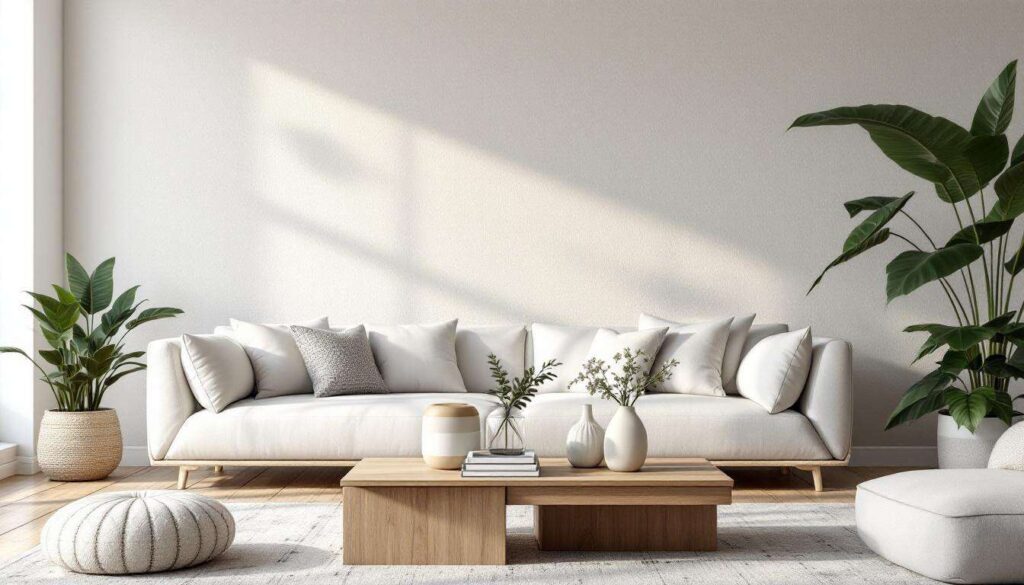
Interior designers have long relied on certain principles to create spaces that feel balanced, harmonious and visually engaging. Among these fundamental concepts, the rule of three stands out as one of the most versatile and effective techniques for styling everything from bookshelves to coffee tables. This design principle harnesses the natural appeal of odd-numbered groupings to transform ordinary arrangements into captivating displays that draw the eye and create interest throughout a room.
Understanding the rule of three in interior design
The psychological foundation of odd numbers
The rule of three operates on a simple yet powerful premise: objects grouped in threes create more visual interest than even-numbered arrangements. This phenomenon stems from how the human brain processes visual information. When we encounter three items, our eyes naturally move between them, creating a dynamic viewing experience that feels both complete and engaging. Even numbers, by contrast, tend to produce symmetrical arrangements that can appear static or overly formal.
Research in visual perception demonstrates that odd-numbered groupings prevent the eye from pairing items, which encourages a more thorough exploration of the entire composition. This creates what designers call “visual tension”—a subtle energy that makes a space feel alive rather than staged.
Historical and cultural significance
The power of three extends far beyond contemporary design trends. Throughout history, various cultures have attributed special significance to this number:
- Ancient Greek philosophy recognised three as representing harmony, wisdom and understanding
- Religious traditions frequently incorporate triadic structures in their symbolism and architecture
- Storytelling conventions have long employed three-act structures and groups of three characters
- Mathematical principles acknowledge three as the smallest number required to create a pattern
This deep-rooted appreciation for threes translates seamlessly into interior design, where the principle helps create arrangements that feel instinctively pleasing.
Practical advantages in home styling
Beyond aesthetic appeal, the rule of three offers practical benefits for homeowners and designers. Working with three items simplifies decision-making when curating displays, as it provides clear parameters without being overly restrictive. The principle also encourages variety in height, texture and colour whilst maintaining cohesion—a balance that proves particularly valuable when styling smaller spaces where every element must earn its place.
| Number of items | Visual effect | Best application |
|---|---|---|
| Two items | Symmetrical, formal | Minimalist spaces |
| Three items | Dynamic, balanced | Most styling situations |
| Five or more items | Complex, layered | Large surfaces, experienced stylists |
With this foundational understanding established, the question becomes how to apply this principle to specific areas within your home, starting with one of the most challenging surfaces to style effectively.
How to use the rule of three to style a bookshelf
Creating a visual grid system
Bookshelves present a unique styling challenge due to their vertical nature and multiple compartments. The rule of three provides an excellent framework for organising these spaces. Begin by mentally dividing your bookshelf into a three-by-three grid, creating nine distinct zones. This approach prevents the common mistake of treating each shelf as an isolated unit and instead encourages a cohesive overall composition.
Within this grid system, identify key focal points where the imaginary lines intersect. These strategic locations should house your most visually interesting objects—perhaps a sculptural piece, a striking book cover displayed face-out, or a treasured collection item.
Balancing books with decorative objects
The most successful bookshelf arrangements combine functional storage with aesthetic appeal. Apply the rule of three by creating groupings that include:
- A stack of three books laid horizontally to create a platform for smaller objects
- Three decorative items of varying heights positioned together
- Three colour-coordinated book spines grouped to create visual blocks
- A trio of framed photographs or small artworks
Vary the scale and texture of your groupings to maintain interest across the entire bookshelf. A common error involves using items of similar size throughout, which diminishes the dynamic quality that makes the rule of three effective.
Incorporating negative space
Equally important as what you place on shelves is what you leave empty. Negative space allows the eye to rest and prevents arrangements from appearing cluttered. When working with groups of three, ensure adequate breathing room surrounds each cluster. This spacing reinforces the grouping whilst contributing to an overall sense of calm and intentionality.
The principles that create harmony on vertical surfaces translate beautifully to horizontal ones, where the rule of three proves equally transformative.
Creating visual balance on a coffee table
Establishing a focal point
Coffee tables serve as central gathering points in living spaces, making their styling particularly impactful. The rule of three helps create arrangements that feel curated rather than cluttered. Start by selecting three primary elements that vary in height, texture and purpose. A classic combination might include a stack of coffee table books, a sculptural object, and a living element such as flowers or a small plant.
Position these items to form a triangular composition when viewed from above. This arrangement creates visual movement and ensures the display looks appealing from multiple seating positions around the table.
Layering for depth and interest
The beauty of applying the rule of three to coffee tables lies in the opportunity for layering. Your three main elements can each comprise multiple components:
- Books: stack two or three volumes with complementary covers
- Decorative objects: choose pieces in different materials such as ceramic, glass and metal
- Natural elements: combine flowers, branches or succulents in a single vessel
- Functional items: group candles of varying heights on a tray
This layered approach adds sophistication whilst maintaining the underlying structure that prevents the arrangement from becoming chaotic.
Considering scale and proportion
The size of your coffee table dictates how you implement the rule of three. Larger tables accommodate more substantial groupings, whilst smaller surfaces require restraint. As a general guideline, your styled arrangement should occupy approximately one-third to one-half of the table’s surface, leaving ample room for practical use.
| Table size | Recommended approach | Example grouping |
|---|---|---|
| Small (under 90cm) | Single trio, compact items | Small plant, candle, coaster stack |
| Medium (90-120cm) | Standard trio with layering | Book stack, sculpture, floral arrangement |
| Large (over 120cm) | Multiple trios or expanded grouping | Two separate three-item arrangements |
Just as horizontal surfaces benefit from thoughtful grouping, vertical wall spaces gain structure and cohesion through this same principle.
Applying the rule of three to harmonise a gallery wall
Planning your composition
Gallery walls offer tremendous creative potential but can quickly become overwhelming without a guiding principle. The rule of three provides an organisational framework that brings order to potentially chaotic arrangements. Consider dividing your wall space into three horizontal sections or creating three distinct groupings within a larger collection.
Alternatively, use the rule to guide your selection of artwork by choosing pieces that fall into three categories: perhaps three different sizes, three colour palettes, or three subject matters. This approach creates variety whilst maintaining visual coherence.
Working with different frame styles
A common gallery wall dilemma involves whether to use matching or varied frames. The rule of three offers a solution: select three frame styles or finishes that you repeat throughout the arrangement. This might include:
- Three different wood tones that complement your existing furniture
- Three frame widths that create visual hierarchy
- Three finish types such as matte, glossy and metallic
- Three colours that tie into your room’s palette
By limiting yourself to three frame variations, you create enough diversity to maintain interest without producing a disjointed appearance.
Balancing artwork sizes
The rule of three proves particularly valuable when mixing different artwork dimensions. Arrange pieces so that three size categories emerge: large anchor pieces, medium supporting works, and small accent items. Position one large piece as a focal point, surround it with three medium pieces, and fill gaps with smaller works grouped in threes.
This hierarchical approach guides the viewer’s eye through the composition whilst preventing any single area from dominating or appearing neglected. The structured flexibility this principle provides extends beyond individual rooms to influence entire homes.
Transforming your space with the rule of three
Extending the principle throughout your home
Once you grasp the rule of three, opportunities to apply it emerge throughout your living space. Consistency in approach creates a cohesive design language that ties different rooms together. Consider these applications:
- Bathroom counters: soap dispenser, plant and decorative tray
- Bedroom nightstands: lamp, small plant and stacked books
- Kitchen islands: fruit bowl, cookbook stand and herb planter
- Entryway consoles: mirror, key dish and small sculpture
- Dining tables: three candleholders or three small vases
Each application reinforces the principle whilst adapting to the specific functional requirements of different spaces.
Combining the rule with other design principles
The rule of three works harmoniously with other interior design concepts. Pair it with colour theory by selecting three complementary hues to repeat throughout your arrangements. Combine it with the principle of varying heights by ensuring your three items create a pleasing elevation profile. Integrate it with texture mixing by choosing objects in three distinct materials.
This layered approach to design creates spaces that feel professionally styled whilst reflecting your personal aesthetic. The rule provides structure without imposing rigidity, allowing creativity to flourish within helpful parameters.
Adapting to personal style preferences
The versatility of the rule of three means it complements various design styles. Minimalist interiors benefit from carefully chosen trios of sculptural objects. Traditional spaces incorporate three decorative elements with historical significance. Contemporary rooms feature three bold statement pieces. The principle adapts to your aesthetic rather than dictating it.
Understanding when and how to implement this guideline in daily life ensures it becomes an instinctive part of your design approach.
Tips for mastering the rule of three every day
Starting small and building confidence
Begin your practice with a single surface that you find challenging to style. A coffee table or bookshelf shelf offers an ideal starting point. Select three items, arrange them, then step back to assess the composition. Adjust heights, angles and spacing until the grouping feels balanced. This hands-on experimentation builds intuition faster than theoretical understanding alone.
Photograph your arrangements to evaluate them objectively. Images often reveal imbalances that go unnoticed in person, helping you refine your approach.
Shopping and curating with intention
When acquiring new decorative items, consider how they might work within groups of three. Before purchasing, ask yourself:
- Do I have two items this could complement to create a trio ?
- Does this piece offer sufficient contrast in height, texture or colour to existing items ?
- Will this grouping serve the functional and aesthetic needs of my space ?
- Am I selecting this because I genuinely love it or simply to complete a set ?
This intentional approach prevents accumulation of items that never quite work together whilst building a collection of pieces that style effortlessly.
Knowing when to break the rule
Mastery includes understanding when guidelines should be set aside. Perfectly symmetrical spaces sometimes benefit from pairs, whilst large surfaces may accommodate five or seven items more effectively than three. The rule of three serves as a reliable default, but design ultimately depends on context, personal preference and the specific characteristics of your space.
Trust your instincts as they develop. If an arrangement of three feels forced whilst a grouping of four appears natural, honour that observation. The rule exists to support your creativity, not constrain it.
The rule of three offers an accessible yet sophisticated approach to styling that transforms ordinary surfaces into thoughtfully curated displays. By grouping items in threes, varying heights and textures, and maintaining adequate negative space, you create arrangements that feel both intentional and effortless. Whether applied to bookshelves, coffee tables or gallery walls, this principle brings visual balance and interest to any space. As you practise implementing these concepts, the technique becomes intuitive, enabling you to style your home with the confidence of a professional designer whilst expressing your unique aesthetic sensibility.