

Hotel rooms often carry lingering odours from previous guests, cleaning products, or poor ventilation. Rather than reaching for synthetic air fresheners that mask unpleasant smells temporarily, savvy travellers have discovered simple bathroom tricks that naturally refresh the entire room. These methods require no special products, just a bit of knowledge about air circulation and moisture management.
Tips for a hotel without air freshener
Creating a naturally fresh environment
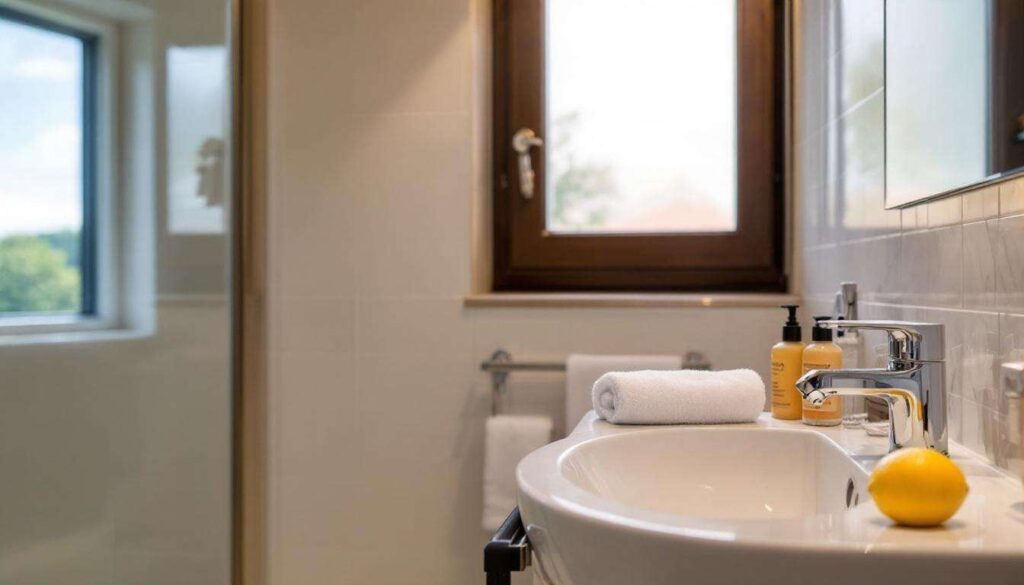
When checking into a hotel room that lacks proper air freshening solutions, several practical techniques can immediately improve the atmosphere. The bathroom becomes the focal point for these strategies, as it naturally processes moisture and air throughout the space.
- Open all windows in both the bedroom and bathroom simultaneously for at least fifteen minutes upon arrival
- Remove any damp towels or bathmats left by housekeeping and request fresh, completely dry replacements
- Turn on the bathroom extractor fan and leave it running for extended periods
- Place toiletries with pleasant natural scents near ventilation points
- Hang clothing in areas with good air circulation rather than enclosed wardrobes
Strategic placement of personal items
The positioning of your belongings significantly affects how air moves through the room. Suitcases should remain elevated on luggage racks rather than on carpeted floors where they trap stale air. Personal care products containing essential oils or natural fragrances work best when placed near the bathroom door, allowing their scent to diffuse naturally as air circulates between rooms.
Understanding why commercial products often fail leads to more effective natural solutions that work with the room’s existing ventilation systems.
Why avoid chemical air fresheners
Health concerns associated with synthetic fragrances
Commercial air fresheners contain volatile organic compounds that can trigger respiratory issues, headaches, and allergic reactions. Many travellers experience sensitivity to these chemicals, particularly in enclosed hotel spaces where concentrations build up quickly.
| Chemical component | Common effects | Duration in air |
|---|---|---|
| Phthalates | Hormone disruption, respiratory irritation | 4-8 hours |
| Formaldehyde | Eye irritation, breathing difficulties | 6-12 hours |
| Benzene | Dizziness, headaches | 3-6 hours |
Environmental and practical drawbacks
Beyond health considerations, aerosol air fresheners merely mask odours rather than eliminating their source. They create an artificial scent layer that often clashes unpleasantly with existing smells, resulting in a worse overall atmosphere. The propellants used in spray products also contribute to indoor air pollution and leave residue on surfaces.
These limitations make natural approaches far more appealing for maintaining genuinely fresh hotel accommodation, particularly methods that address the root causes of unpleasant odours.
Using natural tips for fresh air
Moisture management techniques
The most effective natural freshening method involves controlling humidity levels within the bathroom and bedroom. After showering, leaving the bathroom door open whilst running the extractor fan pulls moisture-laden air out of both spaces, carrying stale odours with it.
- Run hot water in the shower for two minutes with the bathroom door closed to create steam
- Add a few drops of shower gel or shampoo with pleasant natural scents to the shower floor
- Open the bathroom door wide and activate the extractor fan
- Allow the scented steam to circulate throughout the room for five minutes
- Close windows temporarily to concentrate the pleasant aroma before airing out completely
Leveraging existing hotel amenities
Most hotel bathrooms provide complimentary toiletries that can serve dual purposes. Small bottles of shampoo or body wash placed on warm surfaces like radiators or near heating vents release subtle fragrances as they warm. The shower itself becomes a diffuser when hot water activates scented products already present in the space.
Proper ventilation amplifies these natural techniques, making the bathroom the key component in whole-room freshness.
The importance of airing bathrooms
Understanding air circulation patterns
Bathrooms function as natural air processors in hotel rooms due to their ventilation systems and moisture management infrastructure. The extractor fan, when used correctly, creates negative pressure that draws air from the bedroom through the bathroom and expels it outside, constantly refreshing the entire space.
Timing ventilation for maximum effectiveness
Strategic timing of bathroom airing produces dramatically better results than constant ventilation. The most effective schedule involves:
- Morning airing: fifteen minutes with windows and doors open after waking
- Post-shower ventilation: twenty minutes with extractor fan running and bathroom door open
- Evening refresh: ten minutes before bed with cross-ventilation between bathroom and bedroom windows
- Overnight maintenance: bathroom door slightly ajar with extractor fan on low setting if available
These ventilation cycles prevent moisture accumulation that leads to musty odours whilst maintaining a constant flow of fresh air. The bathroom becomes the engine driving air quality throughout the accommodation.
Towel management plays an equally crucial role in maintaining this freshness, particularly in how moisture is controlled and distributed.
The role of wet towels
The dampness dilemma
Wet towels represent the primary source of unpleasant bathroom odours in hotel rooms. When left bunched on floors or hanging in poorly ventilated areas, they develop mildew and bacteria that spread musty smells throughout connected spaces. Many guests unknowingly worsen the problem by leaving used towels in humid bathroom corners.
Proper towel handling techniques
The correct approach to towel management transforms them from odour sources into humidity regulators. After use, towels should be spread completely flat over heated towel rails or hung individually on separate hooks with maximum air exposure. This accelerates drying and prevents bacterial growth.
| Towel placement | Drying time | Odour risk |
|---|---|---|
| Bunched on floor | 12+ hours | Very high |
| Folded over single rail | 6-8 hours | Moderate |
| Spread on heated rail | 2-3 hours | Low |
| Individual hooks with ventilation | 3-4 hours | Very low |
Requesting additional towels strategically
Rather than reusing damp towels, requesting fresh ones maintains optimal freshness levels. Used towels should be placed in the bath or shower tray to signal housekeeping, preventing them from contributing to room humidity. This practice ensures constantly dry textiles that absorb excess moisture rather than adding to it.
These towel strategies work best when combined with comprehensive room ventilation approaches that address the entire accommodation space.
Optimising room ventilation
Creating cross-ventilation pathways
The most effective ventilation occurs when air flows continuously from one opening to another. In hotel rooms, this means strategically opening the bathroom window, bedroom window, and bathroom door to create a through-draught that carries stale air out whilst drawing fresh air in.
- Identify the prevailing wind direction by observing curtain movement or feeling air pressure at windows
- Open windows on the windward side slightly and leeward side fully to create optimal flow
- Position the bathroom door at a forty-five-degree angle to direct airflow without creating uncomfortable draughts
- Use the wardrobe door or room dividers to channel air towards stale-smelling areas
- Adjust ventilation intensity based on outside temperature and humidity levels
Maximising mechanical ventilation systems
Hotel air conditioning units and extractor fans provide controlled ventilation when natural airflow proves insufficient. Setting the air conditioning to fan mode without cooling circulates air effectively whilst consuming minimal energy. The bathroom extractor fan should run for at least twenty minutes after any moisture-generating activity.
Addressing specific problem areas
Certain hotel room features trap odours more readily than others. Carpeted areas, heavy curtains, and upholstered furniture absorb smells that linger despite ventilation efforts. Directing airflow specifically towards these problem zones helps dislodge trapped odours. Pulling curtains fully open exposes fabric to air and sunlight, both natural deodorising agents.
Hotel rooms maintain freshness best through simple, natural methods centred on bathroom ventilation and moisture control. The combination of strategic airing, proper towel management, and consistent air circulation eliminates odours at their source rather than masking them. These techniques require no special products or equipment, just awareness of how air and moisture interact within enclosed spaces. By treating the bathroom as the central hub for air quality management, travellers create genuinely fresh accommodation that enhances comfort throughout their stay. The most effective approach involves regular ventilation cycles, immediate drying of wet textiles, and maximising natural airflow between bathroom and bedroom spaces.