



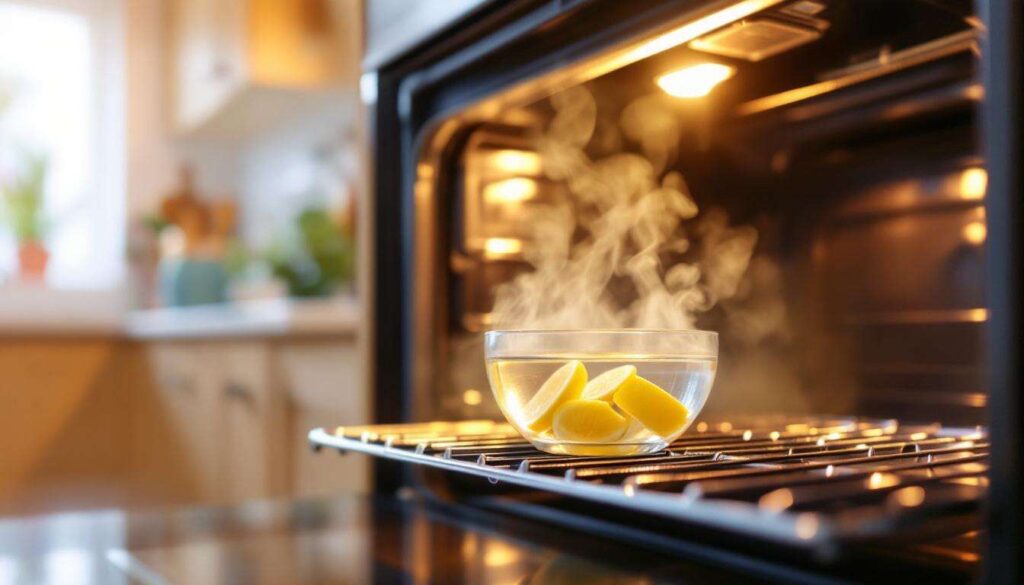
Grease, burnt food residue, and stubborn stains can transform your oven into a daunting cleaning project. Many commercial oven cleaners contain harsh chemicals that produce toxic fumes and require extensive safety precautions. However, there exists a remarkably simple alternative that harnesses the natural cleaning power of steam and lemon to restore your oven’s shine in just 15 minutes. This method eliminates the need for aggressive products whilst delivering impressive results that rival conventional cleaning approaches.
Cleaning your oven in 15 minutes: myth or reality ?
The science behind quick oven cleaning
The concept of cleaning an oven in quarter of an hour might sound too good to be true, yet it relies on fundamental scientific principles. Steam penetrates baked-on grime by softening the molecular bonds that attach dirt to oven surfaces. When water reaches boiling point, it creates moisture that infiltrates even the most stubborn deposits, making them significantly easier to remove without scrubbing.
What this method can and cannot achieve
Realistic expectations are essential when approaching this cleaning technique. The 15-minute steam and lemon method excels at addressing:
- Light to moderate grease accumulation
- Recent spills and splatters
- General maintenance cleaning between deep cleans
- Surface stains on oven walls and doors
However, ovens with years of neglect or heavily carbonised residue may require additional treatment or repeated applications. The technique works best as part of a regular maintenance routine rather than a solution for extreme cases.
Understanding these capabilities sets the foundation for exploring why steam proves so effective as a cleaning agent.
The benefits of steam cleaning
Environmental and health advantages
Steam cleaning represents a chemical-free alternative that protects both your household and the environment. Unlike conventional oven cleaners containing sodium hydroxide or other caustic substances, steam produces no toxic fumes, eliminates skin irritation risks, and requires no special ventilation. Families with children, pets, or respiratory sensitivities particularly benefit from this approach.
How steam breaks down grease and grime
The cleaning power of steam operates through multiple mechanisms. High-temperature water vapour loosens grease by heating it beyond its melting point, whilst the moisture content dissolves water-soluble residues. This dual action creates a synergistic effect that tackles various types of oven dirt simultaneously.
| Cleaning Method | Time Required | Chemical Use | Effectiveness |
|---|---|---|---|
| Commercial cleaners | 30-60 minutes | High | Very high |
| Steam and lemon | 15 minutes | None | High |
| Baking soda paste | Overnight | Low | Moderate |
Cost-effectiveness of steam cleaning
Beyond health benefits, this method proves remarkably economical. Water and lemon cost pennies compared to specialist cleaning products, and the technique requires no special equipment beyond an oven-safe dish. Over time, these savings accumulate substantially whilst maintaining excellent cleaning results.
The natural acidity of lemon complements steam’s cleaning power in remarkable ways.
Why lemon is an ally in cleaning
Natural degreasing properties
Lemons contain citric acid, a natural compound that cuts through grease with impressive efficiency. This organic acid breaks down fatty deposits by disrupting their chemical structure, transforming stubborn residue into easily wipeable substances. The acid concentration in lemon juice proves sufficient for cleaning purposes without causing damage to oven surfaces.
Antibacterial and deodorising effects
Beyond grease removal, lemons offer antimicrobial properties that sanitise surfaces whilst eliminating unpleasant odours. The fresh citrus scent replaces burnt food smells, leaving your kitchen with a clean, natural fragrance. This dual functionality makes lemon an invaluable component in natural cleaning solutions.
Safe for all oven types
Whether you own a conventional, fan-assisted, or self-cleaning oven, lemon poses no risk to internal components or protective coatings. Its gentle yet effective nature makes it suitable for:
- Enamel-coated interiors
- Stainless steel surfaces
- Glass oven doors
- Heating elements (when used carefully)
Before implementing this cleaning method, proper preparation ensures optimal results.
How to prepare your oven for cleaning
Safety considerations
Begin by ensuring your oven is completely cool to prevent burns or steam-related injuries. Remove all racks, trays, and thermometers that might interfere with the cleaning process. These items can be cleaned separately using the same lemon and water solution in your sink.
Removing loose debris
Use a dry cloth or soft brush to sweep out loose crumbs and debris from the oven floor and corners. This preliminary step prevents these particles from turning into muddy paste when exposed to steam, which would complicate rather than simplify the cleaning process.
Gathering your materials
This remarkably simple method requires minimal supplies:
- One oven-safe bowl or baking dish
- Two fresh lemons
- Approximately 500ml of water
- Clean cloths or sponges for wiping
- Optional: a few drops of essential oil for enhanced fragrance
With preparations complete, you are ready to execute the actual cleaning process.
Simple steps for a sparkling oven without chemicals
Creating your cleaning solution
Fill your oven-safe dish with water and squeeze the juice from both lemons into it. Drop the squeezed lemon halves directly into the water as well, as their rinds contain additional cleaning oils. This creates a potent yet entirely natural cleaning solution.
The steaming process
Place the dish on the middle rack of your oven and set the temperature to 120°C. Allow the solution to heat for approximately 15 minutes, during which time the water will boil and fill the oven cavity with lemon-infused steam. This vapour condenses on all interior surfaces, softening accumulated grime.
Wiping down surfaces
After the steaming cycle completes, turn off the oven and allow it to cool for a few minutes until safe to touch. The interior surfaces will be warm and damp. Use a clean cloth to wipe down the walls, door, and floor, where you will notice that grease and residue lift away with minimal effort. For stubborn spots, dip your cloth in the remaining lemon water and apply gentle pressure.
Final touches
Once you have wiped all surfaces, use a dry cloth to remove excess moisture and buff the interior to a shine. Replace the racks and trays, which can be cleaned using the same lemon water solution you have just used in the oven.
Maintaining this level of cleanliness requires consistent effort beyond periodic deep cleans.
Tips for maintaining your oven daily
Prevention strategies
The most effective maintenance approach involves preventing mess before it occurs. Place a baking sheet on the rack below dishes that might bubble over, and use oven liners on the bottom surface to catch drips. These simple precautions dramatically reduce the frequency of intensive cleaning sessions.
Quick cleaning after each use
Whilst the oven remains warm after cooking, wipe down any fresh spills with a damp cloth. Addressing stains immediately prevents them from baking on during subsequent uses, which makes them exponentially more difficult to remove later.
Weekly maintenance routine
Implement a brief weekly inspection that includes:
- Checking for and removing any food debris
- Wiping the door glass with a damp cloth
- Running a quick steam cycle if you notice odours developing
- Ensuring oven racks slide smoothly and cleaning them if needed
When to repeat the deep clean
Depending on usage frequency, repeat the full steam and lemon cleaning every two to four weeks. Heavy oven users may benefit from weekly applications, whilst those who cook infrequently might extend the interval to monthly treatments. Regular application prevents the accumulation of stubborn residue that requires more aggressive intervention.
The combination of steam and lemon offers a practical, safe, and effective solution for oven maintenance that respects both your health and the environment. This method proves that natural cleaning approaches can deliver professional results without the drawbacks associated with chemical cleaners. By incorporating this technique into your regular household routine alongside consistent daily maintenance, you can ensure your oven remains in pristine condition with minimal effort. The 15-minute investment yields impressive returns in cleanliness whilst eliminating exposure to harsh substances, making it an intelligent choice for modern households seeking sustainable cleaning alternatives.