



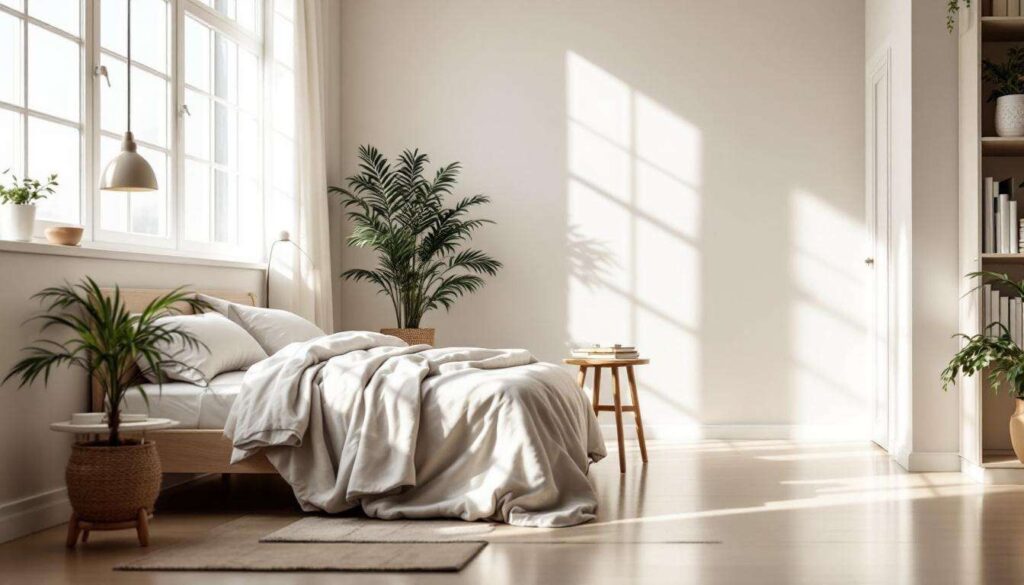
Clutter accumulates faster than we realise, transforming our bedrooms from peaceful retreats into chaotic storage spaces. When traditional decluttering methods feel overwhelming or time-consuming, a simple numerical approach can deliver remarkable results. The 12:12:12 method offers a structured yet flexible framework that requires minimal time investment whilst producing tangible outcomes. This technique challenges you to identify twelve items to throw away, twelve to donate, and twelve to return to their proper place, creating an achievable goal that fits within a single hour. Unlike marathon decluttering sessions that drain energy and motivation, this approach breaks the task into manageable segments that feel less daunting and more rewarding.
Introduction to the 12:12:12 method
Origins and core principles
The 12:12:12 decluttering method emerged from the need for a practical and time-efficient approach to tackling household chaos. Rather than dedicating entire weekends to organisation projects, this technique recognises that most people struggle to find large blocks of free time. The method’s brilliance lies in its simplicity: three categories, twelve items each, totalling thirty-six decisions. This numerical framework provides clear boundaries that prevent decision fatigue whilst maintaining momentum throughout the process.
Why the number twelve works
The choice of twelve items per category strikes an optimal balance between ambition and achievability. Consider the psychological impact of this specific number:
- Large enough to make a visible difference in your space
- Small enough to prevent overwhelming feelings of exhaustion
- Divisible into smaller chunks if needed for particularly cluttered areas
- Memorable and easy to track without elaborate systems
Research in behavioural psychology suggests that concrete numerical goals increase task completion rates compared to vague objectives like “tidy up a bit”. The specificity of twelve items creates accountability and provides immediate feedback on progress.
Understanding these foundational principles prepares you to implement the method effectively in your personal space.
How to apply the method in your bedroom
Preparing your workspace
Before beginning, establish three designated zones in your bedroom for the different categories. Use boxes, bags, or simply cleared floor space to separate items destined for disposal, donation, and relocation. Set a timer for sixty minutes to maintain focus and create a sense of urgency that prevents overthinking individual decisions.
Category one: twelve items to discard
Start with the disposal category as it often proves easiest and builds momentum. Focus on identifying:
- Broken items beyond practical repair
- Expired cosmetics or medications
- Worn-out clothing with holes or permanent stains
- Outdated paperwork and receipts
- Dried-up pens and unusable stationery
- Single socks without matches
Move quickly through drawers, wardrobes, and surfaces. The key is making rapid decisions rather than deliberating endlessly over borderline items.
Category two: twelve items to donate
Next, identify possessions in good condition that no longer serve your needs. These might include:
- Clothing that no longer fits or suits your style
- Books you’ve read and won’t revisit
- Decorative items that no longer match your aesthetic
- Duplicate items when one would suffice
- Gifts you’ve never used but kept out of obligation
Remember that donating quality items benefits others whilst clearing your space, making it easier to part with possessions that might otherwise linger indefinitely.
Category three: twelve items to relocate
Finally, gather items that belong elsewhere in your home. Bedrooms often become dumping grounds for objects that have proper homes in other rooms:
| Item type | Proper location |
|---|---|
| Dishes and mugs | Kitchen |
| Toiletries | Bathroom |
| Tools and hardware | Garage or utility room |
| Children’s toys | Playroom or living area |
| Work documents | Home office |
Immediately return these items to their designated spaces rather than creating a “to relocate later” pile that defeats the purpose.
Once you’ve completed all three categories, the transformation becomes apparent, revealing benefits that extend beyond mere tidiness.
Organisational and psychological benefits
Immediate physical improvements
The removal of thirty-six items creates noticeable visual change within your bedroom environment. Surfaces become clearer, drawers close more easily, and wardrobes reveal previously hidden clothing options. This physical transformation impacts daily routines by reducing time spent searching for items and eliminating visual distractions that interfere with relaxation.
Mental clarity and reduced stress
Psychological research consistently demonstrates connections between cluttered environments and elevated stress levels. A decluttered bedroom promotes:
- Improved sleep quality due to reduced visual stimulation
- Enhanced focus and concentration when using the space
- Decreased feelings of overwhelm and anxiety
- Increased sense of control over one’s environment
The act of making thirty-six decisive choices also builds confidence in your ability to evaluate possessions objectively, a skill that transfers to future decluttering efforts.
Building sustainable habits
Unlike exhaustive decluttering marathons that leave you reluctant to repeat the experience, the manageable scope of the 12:12:12 method encourages regular practice. Many people find they can comfortably repeat this process monthly or even weekly in different areas, gradually transforming their entire living space without burnout.
Maximising efficiency during the process ensures you achieve these benefits without unnecessary time investment.
Tips to optimise time
Strategic timing choices
Select a time when you feel energised rather than exhausted. Morning sessions often prove more productive than evening attempts when decision-making capacity has diminished. Avoid scheduling immediately before important commitments that might create rushed, regrettable choices.
Minimising decision paralysis
Implement these strategies to maintain momentum:
- Apply the one-year rule: if unused for twelve months, it qualifies for donation
- Photograph sentimental items before discarding to preserve memories without physical clutter
- Set a five-second decision limit per item to prevent overthinking
- Start with easier categories before tackling emotionally challenging possessions
Enlisting support
Consider inviting a trusted friend to assist with the process. An objective perspective helps identify items you might overlook whilst providing accountability that keeps you on task. However, ensure this person understands the method’s parameters and won’t derail progress with excessive discussion.
Preparing disposal and donation logistics
Research local charity shops and their collection schedules before beginning. Having donation bags ready and knowing bin collection days prevents decluttered items from lingering in your space, which can undermine the psychological benefits of the exercise.
These efficiency measures ensure the method delivers its promised results within the target timeframe.
Visible and lasting results
Quantifying the transformation
Removing thirty-six items from a bedroom creates measurable change. Consider documenting your progress:
| Metric | Before | After |
|---|---|---|
| Wardrobe capacity used | 110% | 75% |
| Visible floor space | 60% | 95% |
| Time to find items | 5-10 minutes | Under 2 minutes |
These tangible improvements provide motivation to maintain your newly organised space and potentially expand the method to other rooms.
Long-term impact on purchasing habits
Many practitioners report that regularly applying the 12:12:12 method fundamentally alters their relationship with possessions. The repeated experience of identifying unwanted items increases awareness of purchasing patterns, leading to more intentional acquisition decisions that prevent future accumulation.
Ripple effects throughout your home
Success in one room often inspires broader organisational efforts. The confidence gained from transforming your bedroom in under an hour demonstrates that decluttering need not consume entire days, making it easier to tackle other spaces with similar efficiency.
Sustaining these improvements requires deliberate strategies that prevent clutter from creeping back into your refreshed space.
Advice for maintaining decluttering
Establishing regular routines
Schedule monthly 12:12:12 sessions to address gradual accumulation before it becomes overwhelming. Many people find the first weekend of each month provides a consistent rhythm that becomes habitual over time.
Implementing the one-in-one-out rule
Prevent new clutter by adopting a replacement policy: when acquiring something new, identify an existing item to remove. This equilibrium approach maintains the decluttered state you’ve achieved without requiring constant vigilance.
Creating designated homes for everything
The relocation category of the 12:12:12 method highlights items lacking proper storage locations. Address this by:
- Assigning specific places for frequently used items
- Labelling storage containers to eliminate guesswork
- Positioning items near where they’re actually used
- Regularly reassessing whether storage solutions still serve their purpose
Resisting emotional attachment to possessions
Develop criteria for evaluating whether items truly deserve space in your home. Ask whether each possession provides genuine utility or joy rather than simply existing out of habit or obligation. This mindset shift transforms maintenance from a chore into a conscious curation of your living environment.
The 12:12:12 decluttering method proves that dramatic improvements need not require dramatic time investments. By focusing on three clear categories and a specific numerical target, this approach transforms overwhelming chaos into a manageable task achievable within a single hour. The physical benefits of increased space and improved organisation combine with psychological advantages including reduced stress and enhanced decision-making confidence. Regular application prevents clutter accumulation whilst building sustainable habits that extend beyond the bedroom to influence your entire relationship with possessions. Whether you’re facing years of accumulated items or simply seeking to maintain an already tidy space, this structured yet flexible method offers a practical solution that respects both your time and your living environment.