
The living room has long been the heart of the home, a space where comfort meets style and personal expression takes centre stage. As interior design continues to evolve, the emphasis shifts towards creating environments that not only look beautiful but also promote wellbeing and reflect individual personality. From colour palettes that calm the mind to furniture that makes a bold statement, the latest trends offer a refreshing departure from the minimalist rigidity of previous years. Homeowners are increasingly seeking spaces that feel both restorative and expressive, blending vintage charm with contemporary flair whilst incorporating elements that spark joy and conversation.
Soothing tones: the influence of blues
The colour palette for living rooms has undergone a significant transformation, with blue emerging as the undisputed champion of the year. Steel blue, in particular, has captured the attention of designers and homeowners alike, offering a sophisticated alternative to the neutrals that have dominated interiors for so long. Major paint brands have placed this shade at the forefront of their collections, recognising its ability to create both visual impact and emotional calm.
The versatility of blue shades
Blue’s appeal lies in its remarkable versatility across the spectrum. From the softest ice blue to deeper, more saturated tones, this colour family offers options for every aesthetic preference. The lighter shades work beautifully in smaller spaces, creating an airy, expansive feel, whilst richer blues add depth and drama to larger rooms. These hues pair exceptionally well with natural materials and metallic accents, allowing for layered, sophisticated schemes.
- Steel blue creates a contemporary, industrial-inspired aesthetic
- Ice blue introduces freshness and lightness to compact spaces
- Navy and midnight tones add gravitas and elegance
- Teal variations bridge the gap between blue and green for eclectic interiors
Psychological benefits of blue interiors
Beyond its aesthetic qualities, blue has been recognised for its calming psychological effects. This colour naturally lowers heart rate and reduces stress, making it an ideal choice for spaces designed for relaxation and unwinding. Interior designers emphasise that the shift towards blue reflects a broader desire for homes that serve as sanctuaries from the outside world, places where one can genuinely restore emotional balance.
The dominance of blue in living room design naturally leads to considerations about the materials and textures that best complement these soothing tones.
Natural textures: linen in the limelight
As the focus on authenticity and natural living intensifies, linen has emerged as a textile of choice for living room furnishings. This ancient fabric brings an understated elegance and tactile quality that synthetic materials simply cannot replicate. Its slightly rumpled appearance, once considered a drawback, is now celebrated as a mark of authenticity and relaxed sophistication.
Linen’s practical advantages
Beyond its aesthetic appeal, linen offers numerous practical benefits that make it particularly suitable for high-traffic living spaces. The fabric is naturally hypoallergenic and antibacterial, making it an excellent choice for households with allergies or sensitivities. Its breathability ensures comfort across seasons, keeping occupants cool in summer whilst providing cosiness in winter months.
| Property | Linen | Cotton | Synthetic |
|---|---|---|---|
| Durability | Excellent | Good | Variable |
| Breathability | Superior | Good | Poor |
| Sustainability | High | Moderate | Low |
| Maintenance | Easy | Easy | Very easy |
Incorporating linen throughout the living room
Linen’s versatility allows it to appear in various forms throughout the living space. Curtains in natural linen diffuse light beautifully whilst maintaining privacy, creating a soft, ethereal atmosphere. Upholstered furniture in linen strikes the perfect balance between formal and casual, suitable for both everyday family life and entertaining guests. Cushions and throws in this fabric add layers of texture without overwhelming the visual composition of the room.
Whilst natural textures provide tactile interest, the scale and proportions of furniture pieces are equally important in creating balanced, functional living spaces.
Oversized furniture: the big comeback of XXL sofas
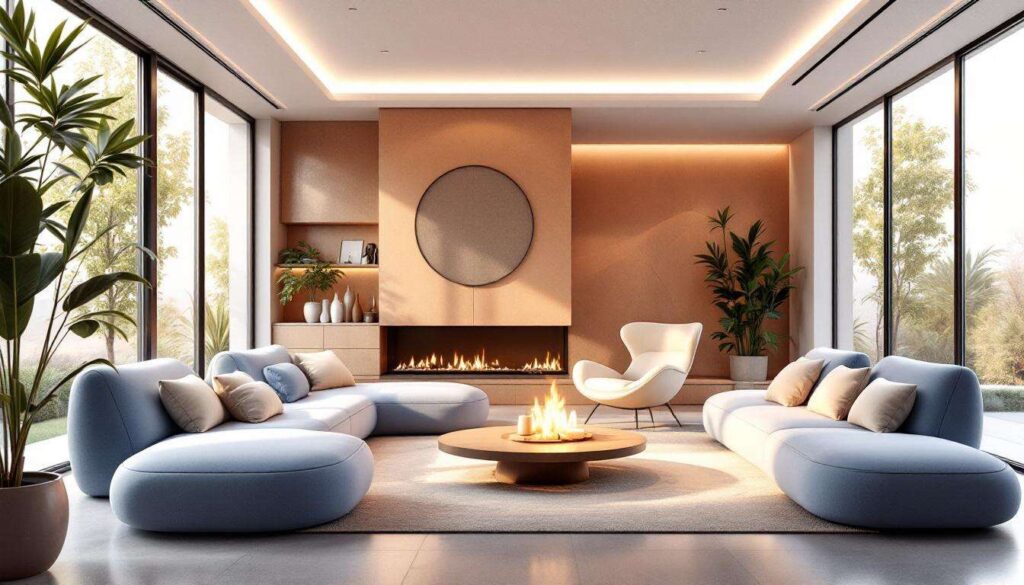
The trend towards oversized furniture represents a decisive move away from the compact, space-saving pieces that characterised recent years. XXL sofas, in particular, have reclaimed their position as the centrepiece of living room design, offering both visual impact and uncompromising comfort. These substantial pieces make a bold statement whilst providing ample seating for family gatherings and social occasions.
The appeal of generous proportions
Large-scale sofas answer the growing demand for furniture that accommodates modern lifestyles. With more time spent at home, the living room has evolved into a multifunctional space where people work, relax, entertain, and unwind. An XXL sofa provides the flexibility to support all these activities, from stretching out with a laptop to hosting friends for film nights. The curved silhouettes currently popular add softness to these substantial pieces, preventing them from appearing overly bulky or imposing.
Material choices for oversized pieces
Velvet has emerged as a particularly favoured upholstery choice for large sofas, with sky blue velvet examples proving especially popular. This luxurious fabric adds depth and richness through its light-reflective properties, whilst its soft texture invites touch and use. The combination of generous proportions and sumptuous materials creates furniture that serves as both functional seating and sculptural focal point.
- Velvet in jewel tones adds luxury and visual weight
- Bouclé fabrics provide texture and contemporary appeal
- Linen blends offer durability with natural aesthetics
- Performance fabrics combine practicality with style
Just as furniture scale has grown bolder, lighting choices are drawing inspiration from historical periods to add character and warmth.
Retro lighting: old-world charm and elegance
Lighting has transcended its purely functional role to become a key decorative element, with retro-inspired designs leading the aesthetic charge. Fixtures that reference mid-century modern, art deco, and even Victorian eras bring a sense of history and craftsmanship to contemporary living rooms. These pieces serve as conversation starters whilst providing the layered illumination essential for creating ambience.
Statement chandeliers and pendant lights
Oversized chandeliers with brass or bronze finishes have made a dramatic comeback, their sculptural forms adding architectural interest to living spaces. These fixtures work particularly well in rooms with high ceilings, drawing the eye upward and emphasising vertical space. Pendant lights with coloured glass shades or geometric metal frameworks offer a more understated nod to vintage aesthetics whilst providing focused task lighting.
Layering light sources
The most successful lighting schemes incorporate multiple sources at different heights, creating depth and flexibility. Table lamps with ceramic bases and pleated shades evoke nostalgia whilst providing intimate pools of light perfect for reading corners. Floor lamps with arched designs reference the iconic styles of past decades, their adjustable nature making them highly practical for modern living.
| Lighting type | Function | Retro style |
|---|---|---|
| Chandelier | Ambient | Art deco, crystal |
| Pendant | Task/accent | Industrial, coloured glass |
| Table lamp | Task | Mid-century, ceramic |
| Floor lamp | Ambient/task | Arc design, tripod base |
The flexibility offered by varied lighting solutions mirrors a broader trend towards adaptable, multifunctional living spaces.
Modularity: towards a versatile living room
Modern living demands spaces that can adapt to changing needs throughout the day and across different occasions. Modular furniture systems have risen to meet this challenge, offering configurations that can be rearranged to suit various activities and group sizes. This approach represents a significant shift from static room layouts towards dynamic, responsive environments.
Configurable seating solutions
Modular sofas composed of individual sections allow homeowners to reconfigure their seating arrangements as needed. A large L-shaped configuration for family gatherings can be separated into smaller groupings for intimate conversations or repositioned to create an open floor plan for children’s play. This flexibility extends the functional life of furniture investments, adapting as households and lifestyles evolve.
Multi-purpose furniture pieces
Beyond seating, other furniture categories are embracing versatility. Coffee tables with adjustable heights transform from low centrepieces to dining surfaces, whilst storage ottomans provide both seating and concealed organisation. Shelving units on castors can be moved to divide spaces or create new zones within open-plan areas.
- Sectional sofas that separate into individual seats
- Nesting tables offering flexible surface area
- Storage units with interchangeable components
- Folding screens that redefine spatial boundaries
This emphasis on adaptability and personal expression finds perhaps its most vibrant outlet in the use of decorative floor coverings.
Bold expression: rugs as a statement piece
Rugs have evolved from mere floor protection to become central decorative elements that anchor entire room schemes. The current trend favours bold colours, striking patterns, and artistic designs that command attention and reflect personal taste. Washable options have democratised this trend, allowing even households with children or pets to embrace adventurous rug choices without anxiety about maintenance.
Colour and pattern confidence
Where neutral rugs once dominated, vibrant hues and complex patterns now take centre stage. Geometric designs, abstract art interpretations, and maximalist florals bring energy and personality to living rooms. These bold choices work particularly well when other elements remain relatively subdued, allowing the rug to serve as the room’s focal point and colour inspiration.
Practical considerations for statement rugs
The availability of washable rugs has removed traditional barriers to bold floor covering choices. These innovative products combine striking aesthetics with practical maintenance, appealing to design-conscious homeowners who previously hesitated to invest in statement pieces. The ability to refresh and clean rugs easily encourages more experimental decorating approaches.
- Washable rugs in bold colours maintain vibrancy
- Layering smaller rugs creates visual interest
- Vintage and antique rugs add unique character
- Textured weaves introduce tactile dimension
The living room trends shaping interiors represent a holistic approach to creating spaces that nurture wellbeing whilst celebrating individual expression. The prevalence of calming blues establishes a serene foundation, enhanced by the tactile authenticity of natural linen. Generous furniture proportions prioritise comfort without sacrificing style, whilst retro lighting adds warmth and character. Modular solutions ensure spaces remain adaptable to evolving needs, and bold rugs provide opportunities for personal creativity. Together, these elements create living rooms that function as true sanctuaries, blending the best of vintage charm with contemporary practicality. The emphasis on craftsmanship, unique pieces, and layered textures reflects a broader cultural shift towards homes that tell stories and support authentic living.