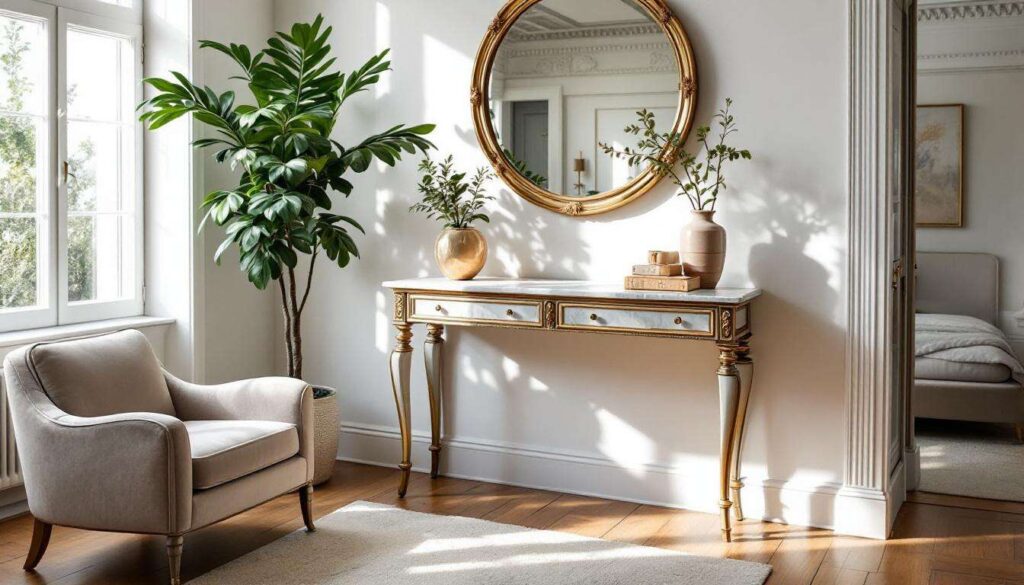
Professional interior designers have long understood that incorporating a carefully chosen antique piece can transform a modern space from sterile to sophisticated. These timeless objects bring character, depth and a sense of history that new furnishings simply cannot replicate. Across countless projects, from minimalist apartments to grand country estates, design experts consistently reach for one particular category of antique to anchor their schemes and create visual interest.
The Importance of Antiques in Interior Decoration
Creating Visual Contrast and Depth
Antiques serve as essential counterpoints to contemporary design elements, preventing spaces from feeling one-dimensional or overly curated. When a Georgian side table sits alongside a sleek modern sofa, the juxtaposition creates a dynamic tension that captures attention and invites closer inspection. This layering of different periods adds visual complexity that makes rooms feel collected rather than purchased wholesale.
Sustainable Design Choices
Beyond aesthetics, incorporating antiques represents a commitment to sustainable interior design. Rather than contributing to mass production and waste, choosing vintage pieces offers several advantages:
- Reduces demand for newly manufactured furniture
- Preserves craftsmanship techniques that are often lost in modern production
- Provides unique pieces that cannot be replicated
- Often features superior construction and materials compared to contemporary equivalents
Investment Value and Longevity
Quality antiques frequently appreciate in value over time, making them financially prudent choices for discerning homeowners. Unlike mass-produced furniture that depreciates immediately upon purchase, a well-selected antique can become more valuable whilst continuing to serve its functional purpose. This dual benefit of utility and investment potential makes antiques particularly appealing in high-end residential projects.
Understanding these fundamental principles helps explain why design professionals consistently incorporate vintage elements, particularly when it comes to one specific category that appears in virtually every project they undertake.
Old Mirrors: a Timeless Reflection
Why Mirrors Dominate Designer Choices
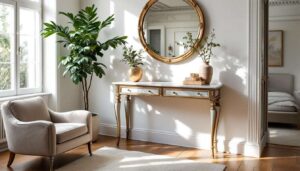
Interior designers overwhelmingly identify antique mirrors as their go-to vintage piece for every home. This preference stems from their remarkable versatility and the immediate impact they create. An ornate gilded mirror from the Victorian era or a simple Georgian design can serve as both functional object and statement artwork, making it an exceptionally practical choice for diverse interior schemes.
Functional Benefits Beyond Aesthetics
Old mirrors offer tangible advantages that justify their ubiquity in professional design projects:
- Amplify natural light throughout rooms, particularly in darker spaces
- Create the illusion of additional square footage in smaller areas
- Serve as focal points without overwhelming the room
- Complement virtually any design style from traditional to ultra-modern
- Provide practical functionality whilst adding decorative interest
The Character of Aged Glass
The slightly imperfect reflections produced by genuinely old mirror glass possess a unique charm that modern reproductions struggle to replicate. These subtle distortions and the occasional spot of silvering loss create a softness that flatters both the room and its occupants. Designers particularly value this gentle, forgiving quality in spaces such as bedrooms and dressing areas where harsh modern mirrors can feel clinical.
Having established mirrors as the antique of choice, examining other vintage elements reveals how designers build complete schemes around this foundational piece.
Vintage Furniture: the Art of Reinventing Space
Statement Pieces That Anchor Rooms
Whilst mirrors reign supreme, vintage furniture pieces provide essential structural elements in thoughtfully designed interiors. A mid-century credenza or an Edwardian writing desk brings both storage solutions and sculptural interest. These pieces often feature construction quality and materials that surpass contemporary alternatives, with dovetail joints, solid wood construction and hand-finished details that demonstrate superior craftsmanship.
Mixing Periods Successfully
Professional designers employ several strategies when incorporating vintage furniture alongside modern elements:
| Approach | Effect | Best For |
|---|---|---|
| Single statement piece | Creates focal point | Minimalist spaces |
| Paired vintage items | Establishes rhythm | Formal rooms |
| Mixed period layering | Adds complexity | Eclectic schemes |
Restoration Versus Patina
Deciding whether to restore vintage furniture or preserve its original patina requires careful consideration. Many designers favour maintaining authentic wear marks and aged finishes, as these imperfections tell the story of the piece and prevent it from appearing too precious. However, structural repairs and reupholstery often prove necessary to ensure pieces remain functional for daily use.
Furniture establishes the bones of a room, but textiles introduce warmth and comfort that complete the layered look designers seek.
Oriental Rugs: Elegance and Warmth
The Foundation of Layered Design
Antique Oriental rugs provide unmatched versatility in interior schemes, grounding furniture arrangements whilst introducing pattern, colour and texture. Persian, Turkish and Caucasian rugs bring centuries of weaving tradition into contemporary homes, their complex designs offering visual interest that rewards closer inspection. Designers appreciate how these rugs can bridge disparate elements, unifying modern furniture with traditional architectural features.
Investment Quality and Durability
Hand-knotted antique rugs represent some of the most durable floor coverings available, often outlasting their owners when properly maintained. The natural dyes used in vintage pieces develop richer tones over time, and the wool becomes softer with age whilst retaining structural integrity. This longevity makes them economically sensible despite higher initial costs compared to machine-made alternatives.
Selecting the Right Rug
Professional designers consider multiple factors when choosing Oriental rugs for client projects:
- Room size and furniture scale to ensure appropriate proportions
- Colour palette that complements existing schemes without matching exactly
- Pattern density suitable for the room’s visual complexity
- Pile height appropriate for the space’s function and traffic levels
- Condition and any necessary repairs before installation
Beyond furniture and textiles, lighting choices significantly influence how spaces feel and function throughout the day.
Retro Lighting: a Touch of Nostalgia
Sculptural Elements That Illuminate
Vintage lighting fixtures serve dual purposes as functional necessities and decorative sculptures. Art Deco chandeliers, mid-century pendant lights and Victorian table lamps introduce vertical interest and draw the eye upward, creating dimension in room schemes. The quality of materials and construction in period lighting often exceeds modern equivalents, with brass, crystal and hand-blown glass components that develop attractive patinas.
Adapting Antique Fixtures for Modern Use
Incorporating vintage lighting requires technical considerations to ensure safety and compatibility with contemporary electrical systems. Professional designers work with qualified electricians to rewire antique fixtures, often upgrading them to accommodate LED bulbs whilst preserving their original aesthetic integrity. This modernisation allows homeowners to enjoy the beauty of period lighting without compromising on energy efficiency or safety standards.
Creating Ambient Layers
Retro lighting contributes to sophisticated illumination schemes when combined with modern fixtures. Designers typically employ vintage pieces for ambient or accent lighting whilst relying on contemporary recessed or track lighting for task illumination. This layered approach provides flexibility whilst ensuring the antique fixtures remain focal points rather than struggling to meet all lighting requirements.
Completing the curated aesthetic requires smaller decorative objects that personalise spaces and reveal the homeowner’s individual taste.
Classic Art Objects: Soul and History
Personalising Through Collected Pieces
Antique art objects transform houses into homes by introducing personal narratives and cultural references. Whether displaying Georgian silverware, Victorian botanical prints or Art Nouveau ceramics, these smaller pieces allow homeowners to express individual interests whilst maintaining design cohesion. Designers encourage clients to collect objects that genuinely resonate rather than purchasing purely for decorative purposes, ensuring authenticity in the final scheme.
Display Strategies for Maximum Impact
Professional designers employ specific techniques when arranging antique objects:
- Grouping items in odd numbers for visual balance
- Varying heights and scales to create dynamic arrangements
- Using negative space to prevent cluttered appearances
- Rotating displays seasonally to maintain freshness
- Illuminating key pieces with dedicated lighting
Building Collections Over Time
Rather than purchasing complete collections immediately, designers advise clients to acquire pieces gradually. This measured approach allows homeowners to develop their aesthetic preferences whilst avoiding costly mistakes. It also creates the authentic collected-over-time appearance that characterises truly sophisticated interiors, as opposed to the obviously decorated look that results from purchasing everything simultaneously.
The strategic incorporation of antiques, particularly mirrors as the foundational piece, elevates interior schemes from merely stylish to genuinely distinctive. These vintage elements provide the character, quality and sustainability that modern mass-produced items cannot replicate. By thoughtfully selecting mirrors, furniture, rugs, lighting and decorative objects, homeowners create layered spaces that reflect personal taste whilst demonstrating design sophistication. The enduring appeal of antiques ensures these investments continue to enhance homes for generations, proving that the best design transcends temporary trends.