
When you step through your front door and something simply doesn’t feel right, yet you cannot pinpoint the exact cause, interior designers suggest the culprit may lie in one persistent decorating habit. That nagging sensation of discomfort or imbalance rarely emerges from a single glaring error but rather from accumulated choices made without proper consideration. Many homeowners fall into the trap of decorating based on perceived obligations or fleeting impulses, rather than creating spaces that genuinely reflect their personality and needs. The resulting environment, whilst perhaps technically furnished, lacks the warmth and cohesion necessary to feel truly welcoming. Addressing this requires identifying the underlying habits that sabotage your home’s atmosphere and committing to more thoughtful design decisions.
Understanding the imbalance in your home
Recognising the symptoms of spatial disharmony
The sensation that your home feels “off” manifests in various subtle ways. You might experience a vague restlessness when spending time in certain rooms, or notice that guests gravitate towards specific areas whilst avoiding others entirely. These symptoms indicate an underlying spatial imbalance that disrupts the natural flow and comfort of your living environment. Interior designers identify several common culprits behind this phenomenon, with dead space being amongst the most prevalent offenders.
The problem of neglected corners and walls
Dead space refers to those forgotten corners, empty walls, and underutilised areas that convey a sense of incompleteness. These zones create visual gaps that the eye naturally registers as unsettling, even if you cannot consciously identify why. Addressing dead space requires strategic intervention:
- Introduce functional furniture pieces that serve a purpose whilst filling the void
- Add decorative elements such as plants, artwork, or sculptural objects
- Create reading nooks or small conversation areas in previously empty corners
- Install shelving to transform bare walls into practical storage solutions
The key lies not in cluttering these spaces but in giving them intentional purpose that contributes to the room’s overall harmony. Each element should feel deliberate rather than randomly placed, creating a cohesive visual narrative throughout your home.
Once you begin recognising these spatial issues, the next step involves understanding how such design mistakes extend beyond mere aesthetics to affect your daily life and emotional state.
The impact of design mistakes on your well-being
The psychological toll of poor design choices
Your living environment exerts profound influence on your mental and emotional health. When your home feels disjointed or uncomfortable, this dissonance creates a constant low-level stress that affects your mood, productivity, and overall sense of contentment. Research consistently demonstrates that environmental factors significantly impact psychological well-being, with poorly designed spaces contributing to feelings of anxiety and dissatisfaction.
Decision fatigue and its consequences
One of the most insidious habits undermining home comfort is decision fatigue in decorating. This occurs when homeowners make rapid choices without proper consideration, often by imitating trends or purchasing items impulsively. The resulting space lacks coherence and fails to reflect your authentic preferences. The consequences include:
| Symptom | Impact on well-being |
|---|---|
| Visual clutter | Increased stress and difficulty concentrating |
| Stylistic inconsistency | Feeling unsettled and lacking connection to space |
| Functional inadequacy | Daily frustration and reduced efficiency |
| Absence of personal touches | Emotional detachment from home environment |
When your home fails to support your daily routines or reflect your personality, it becomes merely a structure rather than a sanctuary. This disconnection manifests as that persistent feeling that something is fundamentally wrong, even when you cannot articulate precisely what requires changing.
Fortunately, recognising these negative impacts provides the motivation necessary to abandon the habits perpetuating them and embrace more considered approaches to home design.
Breaking free from outdated habits
Identifying the habit that sabotages your space
The primary habit designers urge homeowners to abandon is thoughtless accumulation. This encompasses purchasing items without considering how they integrate into your existing space, keeping objects out of obligation rather than affection, and decorating based on what you believe you should have rather than what genuinely appeals to you. This habit creates environments that feel cluttered, impersonal, and fundamentally uncomfortable.
The transformative power of decluttering
Interior designers recommend a strategic approach to breaking this cycle: remove between thirty and fifty percent of the objects currently occupying your space. This dramatic reduction allows your home to breathe, creating visual clarity and revealing the underlying structure of each room. The process involves:
- Evaluating each item based on whether it serves a function or brings genuine joy
- Removing duplicates and items kept purely from habit or guilt
- Creating breathing room around remaining pieces to allow them proper visual impact
- Resisting the urge to immediately fill empty spaces with new purchases
This decluttering exercise proves revelatory for most homeowners, who discover that less truly becomes more when each remaining item receives proper attention and space to shine. The resulting environment feels lighter, more spacious, and infinitely more peaceful than its cluttered predecessor.
With unnecessary items removed and space to think clearly, you can begin introducing elements that genuinely enhance your home’s atmosphere and reflect your authentic style preferences.
Embracing timeless trends to re-balance
Prioritising personal taste over fleeting fashions
The antidote to design decisions driven by trends or obligation lies in listening to your personal preferences. Surrounding yourself with objects you genuinely love imbues your home with character and warmth that no amount of fashionable accessories can replicate. This approach requires honest self-reflection about what truly appeals to you, independent of what magazines, social media, or friends suggest you should prefer.
Creating spaces that resonate authentically
When you focus on timeless elements that speak to your individual sensibility, your home naturally becomes more welcoming and balanced. Consider these principles when making design decisions:
- Invest in quality pieces that will endure both physically and aesthetically
- Choose colours and patterns that you find genuinely soothing or energising
- Display meaningful objects that tell your story rather than generic decorations
- Trust your instincts when something feels right, even if it defies current trends
This authentic approach creates homes that feel cohesive and comfortable because every element exists for a reason beyond mere decoration. Your space becomes a true reflection of your personality, preferences, and lifestyle, eliminating that nagging sense of disconnection that characterises trend-driven decorating.
Beyond thoughtful curation of furnishings and accessories, one technical element requires particular attention to achieve proper balance throughout your home.
Enhancing ambience with appropriate lighting
The critical role of layered illumination
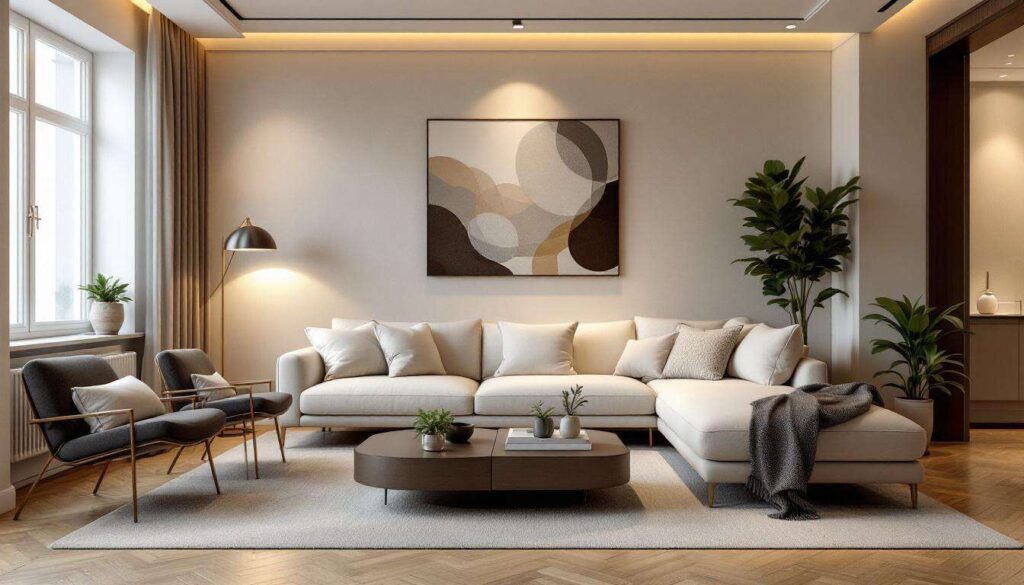
Poor lighting strategy represents one of the most common yet easily rectified design mistakes. Relying solely on central ceiling fixtures creates a cave-like atmosphere that renders even beautifully furnished rooms unwelcoming and harsh. The solution lies in implementing layered lighting that combines three distinct types of illumination to create depth, warmth, and functionality.
Implementing a comprehensive lighting strategy
Transform your home’s atmosphere by incorporating these essential lighting layers:
| Lighting type | Purpose | Examples |
|---|---|---|
| Ambient | Overall illumination | Ceiling fixtures, recessed lights, chandeliers |
| Task | Focused light for activities | Desk lamps, reading lights, under-cabinet strips |
| Accent | Highlighting features and creating mood | Picture lights, uplighters, decorative lamps |
By distributing light sources throughout the room at various heights and intensities, you eliminate harsh shadows whilst creating a cosy and inviting atmosphere. This layered approach allows you to adjust lighting according to time of day, activity, and desired mood, providing flexibility that single-source lighting simply cannot achieve.
With proper illumination established, the final step involves introducing carefully selected accents that inject personality and contemporary flair into your newly balanced space.
Revitalising your space with trendy accents
Strategic incorporation of contemporary elements
Once you have established a solid foundation through decluttering, authentic choices, and proper lighting, selective trendy accents can refresh your space without overwhelming it. The key lies in treating trends as seasoning rather than the main ingredient, adding contemporary touches that complement rather than dominate your timeless base.
Choosing accents that enhance rather than distract
Consider these approaches when introducing contemporary elements:
- Select one or two trend-forward pieces per room to maintain cohesion
- Choose easily replaceable items such as cushions, throws, or artwork
- Ensure trendy pieces harmonise with your existing colour palette
- Focus on quality over quantity to avoid creating new clutter
This measured approach allows you to keep your home feeling current and fresh whilst maintaining the authentic, balanced foundation you have carefully constructed. Your space remains rooted in your personal aesthetic whilst acknowledging contemporary design evolution, creating an environment that feels both timeless and relevant.
The transformation from a home that feels inexplicably “off” to one that provides genuine comfort and satisfaction requires abandoning the habit of thoughtless accumulation and hasty decisions. By addressing dead space, implementing proper lighting, decluttering substantially, and prioritising authentic personal preferences over fleeting trends, you create an environment that truly resonates with your needs and personality. The resulting space reflects warmth, intentionality, and cohesion, eliminating that persistent sense of discomfort and replacing it with genuine sanctuary. Your home becomes not merely a collection of rooms and objects but a carefully curated environment that supports your well-being and authentically represents who you are.