



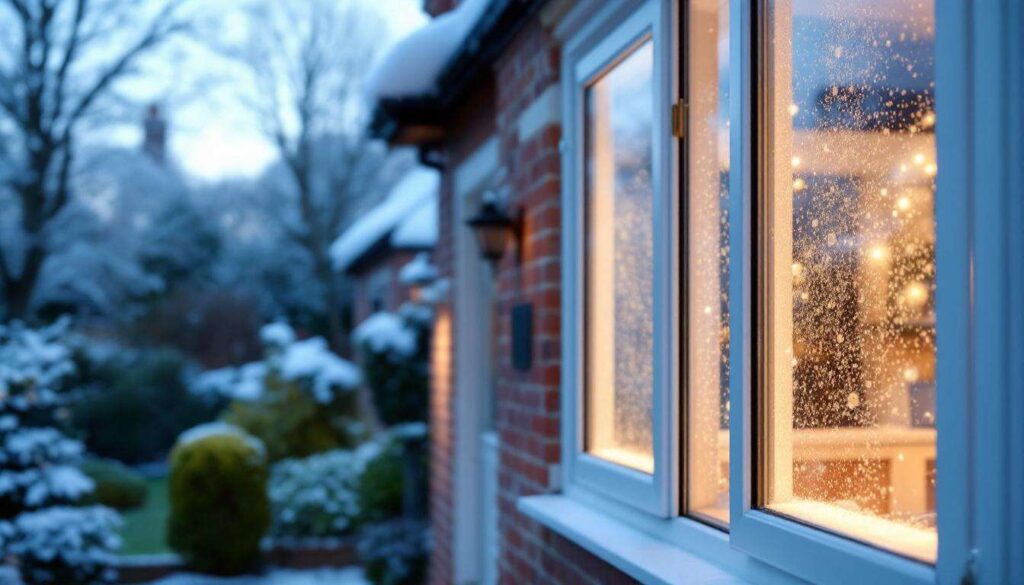
Waking up to find your windows covered in moisture is a frustration many UK homeowners know all too well. This persistent problem not only obscures your view but can also lead to mould growth, damaged window frames, and increased heating bills. According to heating engineers across the country, window condensation stems from identifiable causes that can be tackled with the right approach. By understanding the science behind moisture accumulation and implementing proven strategies, you can eliminate this issue and create a healthier living environment.
Understanding the causes of condensation
The science behind water droplets on glass
Condensation occurs when warm, moisture-laden air meets a cold surface, causing water vapour to transform into liquid droplets. In UK homes, windows typically represent the coldest surfaces, making them prime locations for this phenomenon. The temperature difference between indoor air and the glass surface determines the severity of condensation, with single-glazed windows being particularly susceptible during colder months.
Common household moisture sources
Everyday activities contribute significantly to indoor humidity levels. Heating engineers identify several key moisture generators:
- Cooking and boiling kettles release substantial water vapour into the air
- Showering and bathing create high humidity levels in bathrooms
- Drying clothes indoors adds considerable moisture to your home
- Breathing and perspiration from occupants contribute to overall humidity
- Houseplants release moisture through transpiration
A typical family of four can generate up to twelve litres of moisture daily through normal activities. Without adequate ventilation and temperature control, this moisture inevitably finds its way onto cold window surfaces.
Recognising these sources helps homeowners target their efforts effectively, but addressing condensation requires examining how well your home retains heat.
Assessing insulation efficiency
The role of thermal performance
Poor insulation creates cold spots throughout your property, with windows being particularly vulnerable. When walls, floors, and ceilings lack proper insulation, heat escapes rapidly, forcing heating systems to work harder whilst leaving surfaces cold enough for condensation to form. Heating engineers recommend conducting a thermal survey to identify areas where heat loss occurs most significantly.
Identifying problem areas
Several indicators suggest inadequate insulation around windows:
- Draughts felt near window frames and sills
- Cold spots on walls adjacent to windows
- Ice formation on the inside of windows during severe cold
- Mould growth on window reveals and surrounding walls
Improvement strategies
Enhancing insulation around windows involves multiple approaches. Installing thermal curtains or cellular blinds creates an insulating air gap between the window and the room. Draught-proofing strips around window frames prevent cold air infiltration whilst keeping warm air inside. For cavity walls, professional insulation injection significantly reduces heat loss and raises surface temperatures.
Whilst insulation prevents heat loss, it must work alongside proper air circulation to combat condensation effectively.
The importance of ventilation
Balancing air quality and temperature
Adequate ventilation represents the most critical factor in preventing condensation, according to heating engineers. Fresh air circulation removes moisture-laden air before it can condense on cold surfaces. However, many homeowners mistakenly seal their properties too tightly, creating a humid environment that encourages condensation and mould growth.
Natural ventilation methods
Simple ventilation practices make a substantial difference:
- Opening windows for fifteen minutes each morning allows moisture to escape
- Using trickle vents in window frames provides continuous background ventilation
- Keeping internal doors open promotes air circulation between rooms
- Opening windows during and after cooking or bathing removes humidity at source
Mechanical ventilation solutions
For properties where natural ventilation proves insufficient, mechanical systems offer reliable alternatives. Extractor fans in kitchens and bathrooms should run during activities and for twenty minutes afterwards. Positive input ventilation systems installed in lofts gently introduce filtered fresh air throughout the home, whilst mechanical ventilation with heat recovery systems exchange stale air for fresh whilst retaining warmth.
| Ventilation type | Effectiveness | Running cost |
|---|---|---|
| Trickle vents | Moderate | None |
| Extractor fans | High (localised) | £20-40 annually |
| PIV systems | High (whole house) | £30-60 annually |
| MVHR systems | Very high | £40-80 annually |
Proper ventilation works best when combined with appropriate window technology designed to minimise condensation risk.
Choosing the right glazing
Double versus triple glazing
Modern glazing technology dramatically reduces condensation by keeping internal glass surfaces warmer. Double-glazed units contain two panes separated by an insulating gas-filled gap, typically achieving U-values between 1.2 and 1.6 W/m²K. Triple glazing adds a third pane, improving thermal performance to U-values as low as 0.8 W/m²K, though at increased cost and weight.
Low-emissivity coatings
Low-E glass features a microscopically thin metallic coating that reflects heat back into the room whilst allowing light through. This technology keeps the internal pane warmer, significantly reducing condensation risk. Heating engineers recommend low-E coatings as standard for all replacement windows, as they typically add minimal cost whilst delivering substantial performance benefits.
Gas fills and spacer bars
The gap between panes in double and triple glazing contains either air or inert gases like argon or krypton, which conduct heat less readily than air. Warm edge spacer bars, made from composite materials rather than aluminium, prevent cold bridging around the perimeter of the glazing unit where condensation often begins.
Even the best glazing requires ongoing attention to maintain its condensation-fighting properties.
Maintaining and improving existing fixtures
Regular inspection routines
Heating engineers emphasise that preventative maintenance extends window lifespan and maintains thermal performance. Monthly inspections should check for damaged seals, cracked glazing, and deteriorating putty or sealant. Drainage holes at the bottom of external frames must remain clear to allow moisture escape, preventing water accumulation that can lead to frame damage and internal condensation.
Seal replacement and frame repairs
Failed seals between glazing panes allow moisture to enter the cavity, causing permanent misting that cannot be cleaned. Whilst some companies offer seal replacement services, this often proves uneconomical compared to full unit replacement. External seals around frames deteriorate over time, creating draughts and cold spots. Replacing these with modern silicone sealants restores thermal performance at minimal cost.
Secondary glazing options
For properties with original single-glazed windows, particularly in conservation areas where replacement faces restrictions, secondary glazing provides an effective solution. These additional panes fitted internally create an insulating air gap whilst preserving external appearance. Modern systems offer slim profiles and easy access for cleaning.
Despite best efforts, some condensation problems require specialist intervention to resolve permanently.
When to call a professional
Recognising situations beyond DIY solutions
Certain condensation scenarios demand professional assessment and intervention. Persistent condensation despite adequate ventilation and heating suggests underlying structural issues. Mould growth spreading beyond window areas indicates serious moisture problems requiring expert diagnosis. Failed double-glazed units with internal condensation need specialist replacement to restore thermal performance.
Choosing qualified heating engineers
Selecting appropriately qualified professionals ensures effective solutions. Look for engineers registered with Gas Safe for heating system work, and FENSA or CERTASS certification for window installations. Reputable professionals conduct thorough assessments before recommending solutions, considering your property’s specific characteristics and your budget constraints.
Understanding professional solutions
Heating engineers offer several advanced interventions:
- Whole-house ventilation system design and installation
- Thermal imaging surveys to identify heat loss patterns
- Heating system optimisation to maintain consistent temperatures
- Humidity monitoring and control system installation
- Structural alterations to improve air circulation
Professional intervention typically proves most cost-effective when condensation problems persist despite implementing basic measures or when health concerns arise from mould growth.
Eliminating window condensation requires a comprehensive approach combining adequate ventilation, proper insulation, appropriate glazing, and regular maintenance. Understanding moisture sources within your home enables targeted interventions, whilst assessing your property’s thermal performance identifies areas needing improvement. Modern glazing technology offers significant advantages over older installations, keeping internal surfaces warmer and reducing condensation risk. Regular maintenance preserves window performance, though persistent problems may require professional assessment. By implementing these strategies recommended by UK heating engineers, you can achieve condensation-free windows, improved air quality, and reduced heating costs whilst protecting your home from moisture-related damage.