



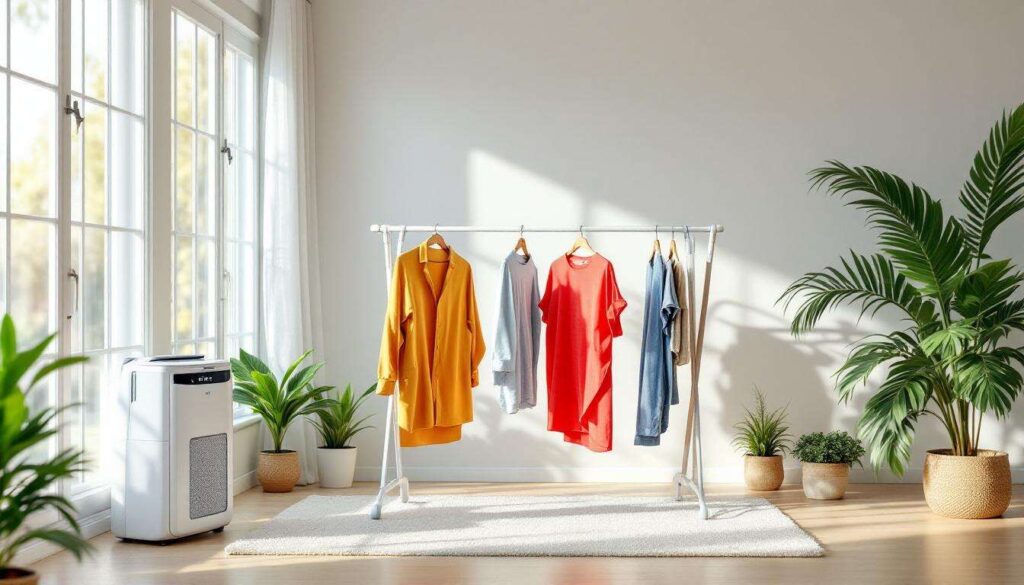
Drying laundry indoors during colder months or rainy weather often feels unavoidable, yet it can quickly lead to excess moisture, mould growth, and unpleasant odours throughout the home. Understanding the correct techniques and avoiding common pitfalls makes all the difference between fresh-smelling clothes and a damp, musty living environment. With the right approach, indoor drying becomes manageable without compromising air quality or household comfort.
Choose the right space to dry clothes
Identify well-ventilated rooms
Selecting an appropriate location for drying laundry indoors significantly impacts moisture control. Bathrooms and utility rooms typically offer better ventilation systems than bedrooms or living areas, making them ideal candidates. These spaces often feature extractor fans or windows that facilitate air circulation, reducing the risk of dampness settling on walls and ceilings.
Avoid enclosed spaces without airflow
Never position drying racks in small, poorly ventilated cupboards or closed-off corners. Stagnant air traps moisture, creating perfect conditions for mould spores to thrive. Consider these factors when choosing your drying location:
- proximity to windows or external doors
- availability of heating sources to aid evaporation
- distance from soft furnishings that absorb moisture
- access to mechanical ventilation systems
Consider room temperature
Warmer rooms accelerate the drying process whilst simultaneously holding more moisture in the air. Maintaining a consistent temperature between 18 and 21 degrees Celsius optimises drying efficiency without excessive energy consumption. Cold rooms slow evaporation, causing clothes to remain damp for extended periods and increasing the likelihood of musty odours developing.
Once you have established the optimal drying location, controlling the moisture released into the air becomes the next priority.
Use a dehumidifier to reduce moisture
How dehumidifiers combat excess humidity
A dehumidifier actively extracts water vapour from the air, preventing it from condensing on cold surfaces such as windows, walls, and mirrors. When drying laundry indoors, a single load can release up to two litres of water into the atmosphere. Without intervention, this moisture settles throughout the home, creating damp patches and encouraging mould growth.
Choosing the right dehumidifier capacity
Different models suit varying room sizes and drying frequencies. The following table illustrates appropriate capacities:
| Room Size | Extraction Rate | Suitable For |
|---|---|---|
| Small (up to 15m²) | 10-12 litres/day | Occasional drying |
| Medium (15-25m²) | 12-20 litres/day | Regular drying |
| Large (25m²+) | 20-25 litres/day | Frequent large loads |
Placement and operation tips
Position the dehumidifier close to the drying rack but not directly underneath wet clothes, as water droplets may damage the unit. Run the device continuously whilst laundry dries, emptying the collection tank regularly. Many modern dehumidifiers feature automatic shut-off functions when full, preventing overflow.
Whilst dehumidifiers manage moisture levels effectively, they work best in conjunction with proper air circulation throughout the space.
The crucial role of ventilation
Opening windows strategically
Even during cold weather, opening windows for short periods creates cross-ventilation that expels humid air and replaces it with fresh, drier air from outside. Aim for 10 to 15 minutes of ventilation several times daily, particularly after hanging wet laundry. This simple action dramatically reduces condensation build-up.
Utilising extractor fans
Bathrooms and kitchens equipped with extractor fans should have them running continuously whilst clothes dry. These mechanical systems remove moisture-laden air before it spreads to other rooms. Leave fans operating for at least 20 minutes after laundry appears dry, as residual moisture continues evaporating.
Creating airflow with doors
Keep internal doors open where possible to encourage air circulation between rooms. This prevents moisture concentrating in a single area and distributes humidity more evenly, making it easier for ventilation systems to manage. However, close doors to unheated rooms to maintain energy efficiency.
Understanding ventilation principles helps avoid the frequent errors that undermine indoor drying efforts.
Common mistakes to avoid when drying indoors
Overloading drying racks
Cramming too many garments onto a single rack prevents air circulating around each item. Space clothes adequately to allow airflow on all sides, which accelerates drying and prevents musty smells developing. Overlapping items remain damp longest, particularly in thicker fabrics.
Drying clothes on radiators
Whilst tempting, draping laundry directly over radiators creates several problems:
- reduces heating efficiency by up to 25 per cent
- concentrates moisture in one area, causing localised dampness
- prevents heat circulating properly throughout the room
- increases risk of mould behind furniture near radiators
Ignoring spin cycle settings
Insufficient spinning before hanging leaves excess water in fabrics, prolonging drying time and releasing more moisture indoors. Always use the highest appropriate spin setting for your laundry type to extract maximum water before drying begins.
Closing off the drying area completely
Shutting windows, doors, and vents whilst clothes dry traps humidity with nowhere to escape. This fundamental error causes the most significant damp problems, as moisture has no outlet and inevitably condenses on cold surfaces.
Beyond avoiding these pitfalls, several proactive strategies can significantly reduce drying duration.
Tips to speed up drying clothes
Use the towel rolling method
For particularly wet items, lay the garment flat on a clean, dry towel, roll tightly, and press firmly to transfer moisture into the towel. This simple technique removes substantial water before hanging, cutting drying time considerably.
Invest in a heated airer
Heated drying racks consume minimal electricity whilst providing gentle warmth that accelerates evaporation. These devices cost approximately 6 to 10 pence per hour to run, making them economical alternatives to tumble dryers whilst being gentler on fabrics.
Position near gentle heat sources
Place drying racks near (but not touching) radiators or in naturally warm spots such as near boilers or in south-facing rooms receiving sunlight. Ambient warmth speeds drying without the problems associated with direct radiator contact.
Rotate and rearrange regularly
Turn garments inside out and reposition items on the rack every few hours. This ensures all surfaces receive adequate airflow and prevents certain areas remaining perpetually damp whilst others dry completely.
Faster drying naturally contributes to fresher-smelling laundry, though additional measures ensure optimal results.
Prevent bad odours with effective drying
Understanding why damp clothes smell
Musty odours develop when bacteria and mould spores multiply in damp fabric. Slow drying conditions provide ideal environments for these microorganisms, particularly when clothes remain wet for more than 24 hours. The distinctive smell indicates bacterial growth rather than simple dampness.
Add white vinegar to the wash cycle
Including 100ml of white vinegar in the fabric softener compartment neutralises odour-causing bacteria and prevents smells developing during drying. This natural solution costs pennies and leaves no vinegar scent once clothes dry completely.
Ensure complete drying before storing
Never fold or store laundry whilst even slightly damp. Residual moisture trapped in cupboards or drawers creates perfect conditions for mildew, which produces persistent unpleasant odours and potentially damages fabrics permanently. Test thick seams and waistbands carefully, as these areas retain moisture longest.
Clean drying equipment regularly
Wash drying racks, dehumidifier filters, and surrounding areas monthly to prevent bacteria and mould accumulating on equipment. These surfaces contact damp laundry repeatedly, making them potential sources of odour transfer if neglected.
Successfully drying laundry indoors requires attention to location, moisture control, ventilation, and timing. By implementing these evidence-based strategies whilst avoiding common errors, households can maintain fresh-smelling clothes and healthy indoor air quality throughout the year. The combination of appropriate space selection, mechanical moisture removal, adequate airflow, and proper technique transforms indoor drying from a damp-inducing necessity into a manageable household routine.