
The resurgence of vintage decoration has swept through our homes with remarkable force, transforming the way we approach interior design. Rather than pursuing the latest minimalist trends or mass-produced furniture, homeowners and designers alike are increasingly drawn to pieces that carry history, character and authenticity. This shift reflects a deeper cultural movement towards spaces that tell stories, evoke memories and resist the homogenising influence of algorithm-driven aesthetics. Our living environments are no longer simply functional or fashionable; they have become personal narratives expressed through carefully curated objects from bygone eras.
The allure of vintage: a new mindset
From consumption to curation
The vintage movement represents more than a stylistic preference; it embodies a fundamental shift in how we relate to our possessions. Rather than viewing furniture and decorative objects as disposable commodities, individuals are embracing a curatorial approach. Each vintage piece becomes a deliberate choice, selected for its provenance, craftsmanship and emotional resonance. This mindset challenges the culture of fast furniture and encourages a more thoughtful, sustainable relationship with our material surroundings.
The search for authenticity
Contemporary homes increasingly prioritise authenticity over perfection. The imperfections inherent in vintage items—the patina on a mid-century sideboard, the worn texture of an antique rug—are celebrated rather than concealed. These characteristics provide visual interest and depth that new, factory-produced items simply cannot replicate. Statistics indicate that approximately 36% of pieces chosen by decorators are now vintage items or antiques, with over 60% planning to incorporate even more historical pieces into their projects.
| Aspect | Traditional approach | Vintage mindset |
|---|---|---|
| Purchasing priority | New, matching sets | Unique, characterful pieces |
| Value placed on | Pristine condition | History and patina |
| Design goal | Uniformity | Individual expression |
This philosophical transformation extends beyond mere aesthetics, touching upon broader concerns about sustainability, individuality and cultural preservation. As more people recognise the environmental cost of constant consumption, vintage decoration offers an appealing alternative that aligns personal style with ecological responsibility.
Retro trends redefining our interiors
The nostalgia cycle at work
Design trends operate on a predictable nostalgia cycle of approximately 20 to 30 years, wherein styles once dismissed as outdated suddenly become desirable again. This phenomenon explains the current fascination with pieces from the 1970s through the 1990s. What was previously considered unfashionable now appears fresh, distinctive and laden with cultural significance. Art Deco elements, mid-century modern furniture and even postmodern design are experiencing remarkable revivals.
Mixing eras with confidence
Contemporary vintage decoration rarely adheres to a single period. Instead, the most compelling interiors blend multiple eras with confidence and creativity. A Victorian armchair might sit comfortably alongside a 1960s coffee table and contemporary artwork. This eclectic approach creates spaces that feel collected over time rather than designed in a single moment, lending homes a sense of evolution and personal history.
- Art Deco geometric patterns and luxurious materials
- Mid-century modern clean lines and organic forms
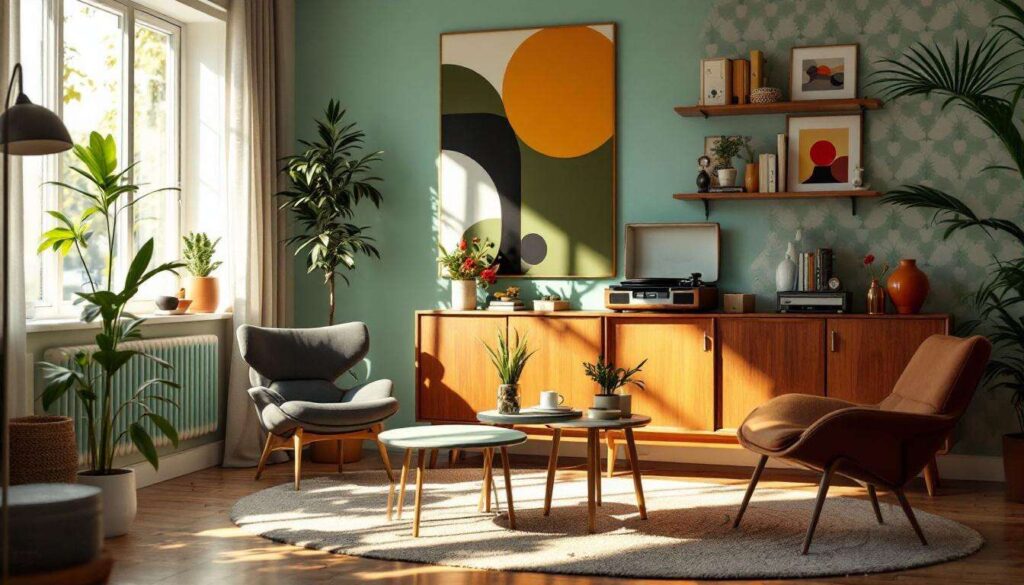
- 1970s earth tones and natural textures
- 1980s bold colours and sculptural shapes
- 1990s minimalism with warmer undertones
These retro influences are fundamentally reshaping our expectations of what makes a space feel current and desirable, paving the way for more personalised approaches to interior design.
The comeback of layering: depth and storytelling
Creating visual complexity
Layering has emerged as a defining characteristic of vintage-inspired interiors. Rather than the sparse, edited aesthetic that dominated recent years, homes now embrace visual richness and complexity. This involves combining textiles of different textures, displaying collections of objects with varied origins, and allowing spaces to feel inhabited and personal. Carpets with years of wear, walls adorned with artwork accumulated over time, and shelves displaying meaningful objects all contribute to this layered aesthetic.
Narrative through objects
Each vintage piece carries its own story, and when thoughtfully arranged, these individual narratives combine to create a cohesive personal history. A inherited lamp, a flea market painting, a restored chair from a grandmother’s house—these objects transform a space from a mere dwelling into a reflection of lived experience. The algorithm-driven sameness that characterises many contemporary interiors cannot replicate this depth of meaning.
The practice of layering extends beyond physical objects to include colour, pattern and texture, creating environments that reward closer inspection and reveal new details over time. This approach naturally leads to bolder aesthetic choices that distinguish vintage-inspired spaces from their minimalist predecessors.
Bolder colours: the vintage effect
Moving beyond neutral palettes
The vintage revival has liberated homeowners from the tyranny of all-white and greige interiors. Historical colour palettes—from the jewel tones of Art Deco to the earthy hues of the 1970s—are reappearing with enthusiasm. Mustard yellows, burnt oranges, deep teals and rich burgundies now feature prominently in contemporary homes, often in ways that would have seemed unthinkable just a few years ago.
Colour as emotional expression
These bolder choices reflect a desire for emotional engagement with our living spaces. Colour psychology suggests that varied, saturated hues create environments that feel more stimulating and personally meaningful than neutral schemes. Vintage decoration encourages experimentation with colour in ways that feel grounded in historical precedent rather than arbitrary trend-following.
- Deep forest greens reminiscent of Victorian parlours
- Warm terracotta and rust tones from 1970s design
- Bold primary colours characteristic of mid-century modernism
- Soft pastels inspired by Art Deco glamour
- Rich jewel tones reflecting maximalist sensibilities
This chromatic boldness represents a rejection of the safe, marketable aesthetics that dominated social media-driven design, pointing instead towards more individual expression. The influence of digital platforms on these evolving tastes cannot be overlooked.
The impact of social media on our taste for vintage
The algorithm paradox
Social media platforms have simultaneously fuelled and frustrated the vintage movement. Whilst these digital spaces have increased visibility for vintage aesthetics and connected enthusiasts globally, they have also created a homogenising effect. Certain vintage styles become overly popular, leading to what some designers describe as algorithm-styled spaces—interiors that look impressive online but lack genuine personal connection.
Fatigue with digital perfection
A growing number of designers and homeowners express exhaustion with interiors designed primarily for digital consumption. Spaces optimised for photographs often sacrifice livability and authenticity for visual impact. This realisation has sparked a counter-movement towards decoration shaped by memory, emotion and personal history rather than algorithmic approval. Searches for vintage, Art Deco and second-hand decoration have risen significantly, indicating a desire for alternatives to mass-produced, trend-driven design.
| Platform influence | Positive effects | Negative effects |
|---|---|---|
| Visibility | Increased awareness of vintage styles | Homogenisation of popular looks |
| Community | Connection between enthusiasts | Pressure to conform to trends |
| Inspiration | Access to diverse examples | Spaces designed for cameras, not living |
This tension between digital influence and authentic expression helps explain why vintage decoration holds such appeal in the current cultural moment.
Why is vintage so appealing today ?
Sustainability and conscious consumption
Environmental concerns drive much of the enthusiasm for vintage decoration. Purchasing second-hand furniture reduces demand for new production, thereby decreasing the environmental impact associated with manufacturing, shipping and eventual disposal. This aligns with broader movements towards sustainable living and conscious consumption, making vintage choices feel both aesthetically pleasing and ethically sound.
Resistance to mass culture
In an era of globalisation and mass production, vintage decoration offers a form of cultural resistance. By choosing unique, historical pieces, individuals assert their distinctiveness and reject the homogenising forces of consumer culture. Each vintage object represents a small act of independence from the predetermined choices offered by large retailers and algorithm-driven recommendations.
Emotional connection and memory
Perhaps most fundamentally, vintage decoration satisfies a deep human need for connection to the past. Objects that have existed through different eras, witnessed other lives and carried meaning for previous owners create a sense of continuity and belonging. In uncertain times, these tangible links to history provide comfort and grounding that new possessions simply cannot offer.
- Environmental benefits of reusing existing items
- Financial advantages of vintage versus new designer pieces
- Psychological satisfaction of curating unique collections
- Cultural preservation through continued use of historical objects
- Creative expression through eclectic combinations
Our homes have become canvases for expressing individuality, telling personal stories and creating environments that reflect genuine lived experience rather than curated perfection. The vintage movement represents more than a passing trend; it signals a fundamental reconsideration of how we inhabit and personalise our spaces. By embracing objects with history, character and authenticity, we create interiors that possess not only visual appeal but also soul and meaning. This shift towards decoration rooted in personal narrative and emotional resonance marks a decisive departure from algorithm-driven aesthetics, pointing towards a future where our homes truly reflect who we are rather than what we are told to desire.