
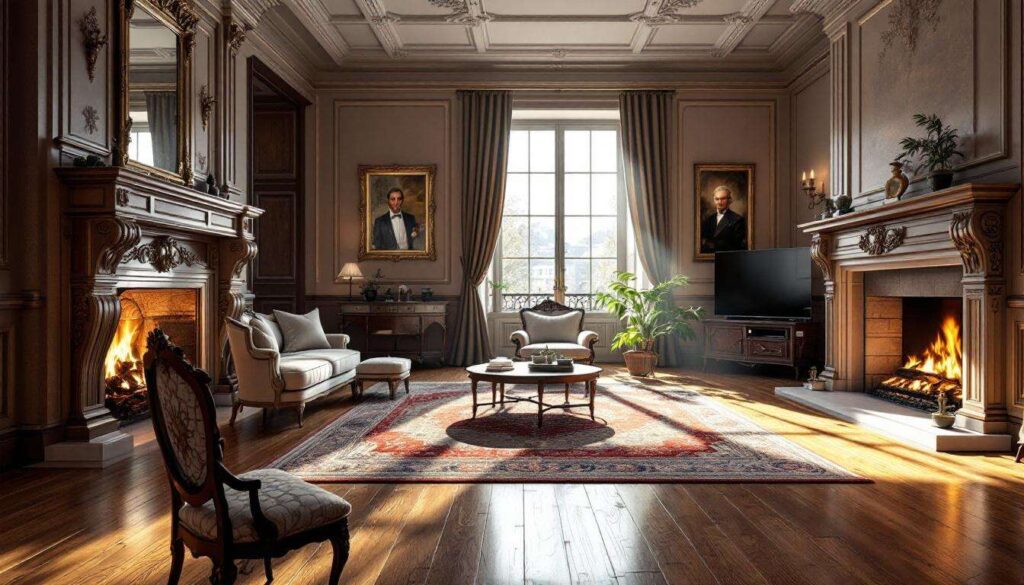
Flooring has long been considered a practical necessity rather than a design statement, yet this perception is rapidly changing. Homeowners are increasingly viewing their floors as canvases for self-expression, moving beyond utilitarian surfaces towards bold, intentional choices that define the character of their living spaces. The shift towards European-inspired flooring represents more than aesthetic preference; it signals a fundamental transformation in how we approach interior design, embracing warmth, tradition and architectural heritage whilst maintaining contemporary sensibilities.
Embracing European style for an elegant interior
The shift from cold minimalism to warm maximalism
The stark, clinical aesthetic that dominated interiors for years is giving way to something far more inviting. Where once minimalist grey tones and sterile surfaces reigned supreme, European style introduces layers of visual interest and tactile warmth. This approach transforms flooring from background element to focal point, creating spaces that feel lived-in and welcoming rather than showroom-perfect.
European design principles emphasise architectural depth and historical reference, drawing inspiration from centuries of craftsmanship. This philosophy encourages homeowners to view their floors as foundational design elements that set the tone for entire rooms. The result is interiors that balance sophistication with comfort, formality with approachability.
Architectural heritage meets modern living
The beauty of European-inspired flooring lies in its ability to honour tradition whilst accommodating contemporary lifestyles. Classic patterns and time-tested layouts provide visual structure, whilst modern materials and installation techniques ensure practicality and durability. This fusion creates spaces that feel both timeless and current, avoiding the pitfalls of fleeting trends.
- Incorporation of historical patterns with modern materials
- Balance between ornate design and functional requirements
- Adaptation of traditional techniques for contemporary spaces
- Integration of European aesthetics with local architectural styles
This renewed appreciation for European design sensibilities naturally leads to specific trends that are reshaping flooring choices across homes and commercial spaces alike.
Key trends for 2026
Herringbone and chevron patterns
Among the most prominent trends, herringbone and chevron patterns have emerged as definitive choices for those seeking visual dynamism. These geometric arrangements create movement and direction within a space, drawing the eye and adding architectural interest. The herringbone pattern, with its distinctive V-shaped weaving, brings a sense of craftsmanship that elevates even modest rooms.
These patterns work exceptionally well in various settings, from entrance halls to living areas, creating continuity whilst maintaining visual excitement. Their versatility allows them to complement both traditional and contemporary furnishings, making them remarkably adaptable design solutions.
The Versailles motif and intricate designs
For those seeking maximum impact, the Versailles motif represents the pinnacle of flooring artistry. This elaborate pattern, inspired by French palace floors, combines different wood pieces in complex geometric arrangements. Whilst undeniably bold, when executed properly, it creates an atmosphere of refined elegance rather than overwhelming opulence.
| Pattern Type | Visual Impact | Best Suited For | Installation Complexity |
|---|---|---|---|
| Herringbone | Medium-High | Living rooms, hallways | Moderate |
| Chevron | High | Open-plan spaces | Moderate-High |
| Versailles | Very High | Formal rooms, entrances | High |
Matte finishes replace glossy surfaces
The preference for matte and satin finishes marks a significant departure from the high-gloss surfaces that previously dominated. These softer finishes offer practical advantages, concealing minor scratches and wear whilst reducing glare. More importantly, they contribute to the warmer, more natural aesthetic that defines current European-inspired trends.
Matte finishes also enhance the authenticity of wood grain and texture, allowing the natural beauty of materials to take centre stage. This subtle approach aligns perfectly with the broader movement towards understated elegance and organic aesthetics.
Understanding these patterns and finishes becomes even more meaningful when paired with the right colour palette, which forms another crucial aspect of this flooring revolution.
The most fashionable flooring colours
Light oak and warm blonde tones
The colour palette for European-inspired flooring centres on nature-derived hues that evoke tranquillity and warmth. Light oak has emerged as a frontrunner, offering a fresh alternative to the cooler greys that saturated recent years. These warm blonde tones create an airy, expansive feeling whilst maintaining sufficient depth to anchor a room’s design scheme.
Light oak works particularly well in spaces with abundant natural light, reflecting and amplifying brightness throughout the day. Its versatility allows it to pair seamlessly with both neutral and bold colour schemes, providing a stable foundation for evolving décor preferences.
Greige and neutral sophistication
The portmanteau colour greige—a sophisticated blend of grey and beige—represents the perfect compromise between cool and warm tones. This nuanced shade offers the contemporary feel of grey whilst incorporating the warmth and approachability of beige. Greige flooring creates a neutral backdrop that never feels cold or sterile, supporting rather than competing with furnishings and artwork.
- Complements both warm and cool colour schemes
- Provides visual continuity between rooms
- Ages gracefully without appearing dated
- Pairs well with metallic accents and natural textiles
Moving away from cold grey
The retreat from stark grey tones reflects a broader cultural shift towards comfort and warmth in domestic spaces. Whilst grey served its purpose in creating clean, modern aesthetics, many homeowners now find these cooler tones emotionally uninviting. The move towards warmer neutrals acknowledges the psychological impact of colour, prioritising spaces that feel nurturing rather than merely stylish.
These colour choices gain additional dimension when combined with the revival of traditional patterns that add layers of visual interest and historical reference.
The revival of traditional patterns
Historical patterns for contemporary spaces
Traditional flooring patterns are experiencing a renaissance as homeowners seek to inject character and individuality into their spaces. These time-honoured designs bring a sense of permanence and craftsmanship that contrasts sharply with the disposable nature of fast trends. Patterns such as basketweave, parquet de Versailles, and bordered designs reference centuries of European craftsmanship whilst feeling entirely appropriate in modern contexts.
The key to successfully incorporating traditional patterns lies in thoughtful application. Rather than overwhelming entire homes, these designs work best as statement features in specific rooms or zones, creating focal points that reward closer inspection.
Creating visual depth and movement
Beyond aesthetic appeal, traditional patterns serve functional design purposes by creating visual depth and directional flow. Herringbone patterns, for instance, can make narrow hallways appear wider or guide movement through open-plan spaces. The interplay of light and shadow across patterned surfaces adds dimension that flat, uniform flooring simply cannot achieve.
| Design Goal | Recommended Pattern | Effect Achieved |
|---|---|---|
| Widen narrow spaces | Horizontal herringbone | Increased perceived width |
| Lengthen rooms | Vertical chevron | Enhanced sense of depth |
| Create focal points | Versailles motif | Dramatic visual anchor |
| Add subtle interest | Basketweave | Texture without overwhelming |
Balancing boldness with restraint
Whilst traditional patterns offer dramatic possibilities, successful implementation requires careful consideration of scale and context. A Versailles motif in a compact powder room might feel overwhelming, whilst the same pattern in a grand entrance hall achieves exactly the right note of elegance. The art lies in matching pattern complexity to room proportions and intended atmosphere.
This emphasis on thoughtful design choices extends naturally to material selection, where sustainability concerns increasingly influence flooring decisions.
The importance of sustainable materials
Bamboo and cork alternatives
Environmental consciousness has become inseparable from contemporary design philosophy, with sustainable materials moving from niche offerings to mainstream choices. Bamboo flooring exemplifies this shift, offering durability comparable to traditional hardwoods whilst regenerating far more rapidly. Its distinctive grain patterns and natural variation provide visual interest whilst supporting ecological responsibility.
Cork represents another innovative sustainable option, harvested from bark without harming trees. Beyond environmental credentials, cork offers practical advantages including natural insulation, sound dampening, and surprising resilience. Its warm, organic appearance aligns perfectly with the European aesthetic whilst delivering functional benefits that enhance daily living.
Reclaimed wood and circular economy principles
The use of reclaimed wood embodies both sustainability and character, incorporating materials with existing histories into new contexts. Salvaged from old buildings, barns, or industrial structures, reclaimed wood brings unique patinas and textures impossible to replicate in new materials. Each plank tells a story, adding layers of meaning and authenticity to contemporary spaces.
- Reduces demand for newly harvested timber
- Offers unique character and weathered beauty
- Often features superior quality from old-growth sources
- Contributes to circular economy principles
- Provides conversation pieces with historical significance
Longevity and timeless appeal
True sustainability extends beyond material sourcing to encompass longevity and timeless design. Flooring choices that remain aesthetically relevant for decades reduce the environmental impact of replacement cycles. European-inspired designs, rooted in centuries of proven appeal, inherently support this long-term approach. By selecting classic patterns and quality materials, homeowners make decisions that transcend temporary trends, ultimately proving more sustainable than repeatedly following fleeting fashions.
Understanding these principles provides the foundation for successfully implementing European-inspired flooring within your own home.
Tips for incorporating these trends at home
Start with a focal room
Rather than attempting a whole-home transformation, begin by introducing European-inspired flooring in a single, high-impact space. Entrance halls, living rooms, or primary bedrooms make excellent starting points, allowing you to experience the aesthetic whilst managing budget and disruption. Success in one room often provides the confidence and practical knowledge needed to extend the approach throughout your home.
Consider existing architecture and décor
The most successful flooring choices harmonise with existing architectural features rather than fighting against them. Period properties naturally accommodate traditional patterns, whilst contemporary spaces might require more selective application. Assess ceiling heights, room proportions, and existing materials before committing to specific patterns or colours, ensuring cohesion rather than conflict.
Balance pattern with simplicity
When introducing bold flooring patterns, consider simplifying other elements to avoid visual chaos. Patterned floors work best when walls, ceilings, and large furniture pieces remain relatively neutral, allowing the flooring to command attention without overwhelming. This approach creates sophisticated spaces where each element has room to breathe.
| Flooring Choice | Wall Treatment | Furniture Style | Overall Effect |
|---|---|---|---|
| Bold herringbone | Neutral paint | Simple lines | Balanced sophistication |
| Versailles motif | Plain or subtle texture | Classic pieces | Elegant grandeur |
| Light oak planks | Coloured or patterned | Mixed styles | Versatile backdrop |
Seek professional guidance
Complex patterns and sustainable materials often require specialist installation to achieve optimal results. Professional installers bring experience with material behaviour, subfloor preparation, and pattern alignment that directly impacts final appearance and longevity. Whilst professional services represent additional investment, they typically prove cost-effective by avoiding expensive mistakes and ensuring durability.
Plan for the long term
European-inspired flooring represents a significant investment deserving careful consideration. Select colours and patterns you genuinely love rather than following trends blindly. Consider how choices will age, both physically and aesthetically, aiming for timeless appeal that transcends temporary fashions. Quality materials and classic designs may cost more initially but deliver value through decades of satisfaction and performance.
The movement towards European-inspired flooring represents more than aesthetic preference; it reflects deeper desires for warmth, authenticity, and connection to architectural heritage. By embracing traditional patterns, sustainable materials, and nature-inspired colours, homeowners create spaces that feel both timeless and contemporary. These choices honour craftsmanship whilst accommodating modern lifestyles, proving that innovation and tradition need not conflict. Whether through bold herringbone patterns, sustainable bamboo, or warm greige tones, this approach to flooring transforms houses into homes with character, depth, and enduring appeal.