



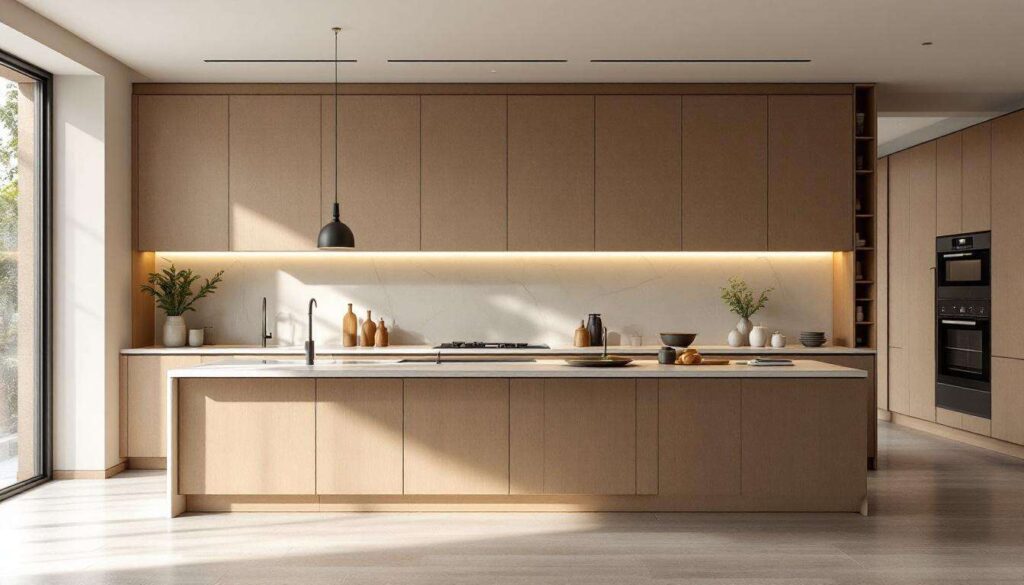
The modern kitchen has long been dominated by the imposing presence of the island, that substantial central feature which promised both functionality and style. Yet as design preferences evolve and homeowners reassess their spatial needs, a quiet revolution is underway. The traditional kitchen island, once considered an essential element of contemporary home design, is gradually making way for more versatile and space-conscious alternatives that better serve the demands of modern living.
Goodbye to kitchen islands: why they are disappearing
The practical limitations of traditional islands
Kitchen islands have dominated residential design for decades, yet their practical shortcomings are becoming increasingly apparent to homeowners. These substantial structures often consume valuable floor space, creating cramped circulation paths that hinder rather than help kitchen functionality. In smaller homes, islands can transform what should be an open, welcoming space into an obstacle course, particularly when multiple people attempt to use the kitchen simultaneously.
The reality of island ownership reveals several key drawbacks:
- Disrupted traffic flow, forcing awkward navigation around the structure
- Reduced flexibility in kitchen layout and furniture placement
- Isolation of the cook from family members and guests
- Wasted space beneath countertops that becomes difficult to access
- High installation costs without proportional functional benefits
Changing lifestyle priorities
Contemporary households are reconsidering how they use their kitchens, with social interaction taking precedence over purely aesthetic considerations. The traditional island often creates a physical barrier between the cook and other occupants, contradicting the modern desire for inclusive, communal cooking experiences. Homeowners increasingly recognise that the impressive visual impact of an island does not compensate for the social disconnection it can create during meal preparation and entertaining.
This shift in priorities reflects broader changes in how families approach home life, with kitchens serving as multifunctional hubs rather than isolated cooking zones. As these evolving needs reshape kitchen design, new solutions are emerging that better address contemporary lifestyle demands.
2026 trend: the versatile and stylish kitchen
Multifunctional spaces take centre stage
The kitchen of 2026 embraces versatility as its defining characteristic, with designs that accommodate diverse activities beyond meal preparation. These spaces integrate flexible work zones that can transform from cooking areas to homework stations, social gathering spots to remote working desks. This adaptability represents a fundamental departure from the single-purpose island model, offering homeowners genuine functional value.
| Traditional Island Kitchens | 2026 Versatile Kitchens |
|---|---|
| Fixed central structure | Adaptable furniture pieces |
| Single-purpose design | Multi-functional zones |
| Isolated cooking space | Integrated social areas |
| Permanent installation | Reconfigurable layouts |
The unfitted kitchen movement
A significant aspect of this trend involves the unfitted kitchen concept, which prioritises free-standing furniture pieces over built-in cabinetry. This approach allows homeowners to curate their kitchen environment with individual elements that reflect personal taste whilst maintaining practical functionality. The aesthetic moves away from uniform, fitted designs towards eclectic combinations that blend vintage charm with contemporary efficiency.
These developments in kitchen philosophy naturally lead to specific design solutions that embody these principles whilst addressing the practical shortcomings of traditional islands.
Kitchen peninsulas: the new design standard
Understanding the peninsula advantage
The kitchen peninsula emerges as the leading alternative to traditional islands, offering a streamlined counter extension that connects directly to existing cabinetry. This configuration maintains the additional workspace that homeowners value whilst eliminating the circulation problems associated with free-standing islands. The peninsula design naturally guides traffic flow around its perimeter rather than forcing navigation on multiple sides.
Key benefits of peninsula layouts include:
- Improved kitchen traffic patterns with defined pathways
- Enhanced connection between cooking and dining areas
- More efficient use of available floor space
- Natural division between kitchen and adjacent rooms
- Easier installation with lower construction costs
Peninsula-dining hybrid configurations
The most innovative peninsula designs incorporate integrated dining spaces, creating seamless transitions between food preparation and consumption areas. These hybrid configurations often feature extended countertops that accommodate bar stools or connect to built-in banquettes, fostering natural conversation between cooks and diners. This arrangement addresses the social isolation that traditional islands often create, positioning the cook facing into the room rather than turned away from guests.
The peninsula’s inherent flexibility makes it suitable for various kitchen sizes and layouts, yet it represents only one approach to reimagining kitchen functionality.
How to choose between peninsula and worktable ?
Assessing your spatial requirements
Selecting the appropriate alternative to a traditional island requires careful evaluation of available space and household needs. Peninsulas work exceptionally well in medium to large kitchens where permanent structures can be accommodated without compromising movement. Conversely, worktables suit smaller spaces or households that value flexibility, as these free-standing pieces can be repositioned or removed entirely when circumstances change.
Consider these factors when making your decision:
- Total kitchen square footage and existing layout constraints
- Number of people regularly using the kitchen simultaneously
- Frequency of entertaining and typical guest numbers
- Storage requirements and existing cabinet capacity
- Budget for renovation or furniture investment
Functional priorities and lifestyle alignment
The choice between peninsula and worktable ultimately depends on how you use your kitchen daily. Households that prioritise permanent additional counter space and integrated storage benefit most from peninsula installations. Those who value adaptability, perhaps renting their homes or anticipating future moves, find greater advantage in quality worktables that can relocate with them.
| Feature | Peninsula | Worktable |
|---|---|---|
| Installation permanence | Fixed structure | Moveable furniture |
| Storage capacity | High (built-in cabinets) | Moderate (shelves/drawers) |
| Layout flexibility | Limited | Excellent |
| Initial investment | Higher | Lower |
| Visual impact | Integrated, seamless | Statement piece |
Worktables particularly shine in the context of broader design movements that emphasise character and individuality within kitchen spaces.
Tips for integrating a modern retro style
Blending vintage charm with contemporary function
The resurgence of classic worktables aligns perfectly with modern retro aesthetics, which combine nostalgic design elements with current functional requirements. Antique farm tables or butcher blocks bring warmth and character to kitchens whilst providing practical work surfaces. The key lies in selecting pieces that offer genuine utility rather than purely decorative value, ensuring these vintage-inspired elements earn their place through daily use.
Successful modern retro integration involves:
- Choosing quality materials like solid wood or reclaimed timber
- Balancing ornate vintage pieces with clean contemporary cabinetry
- Incorporating period-appropriate hardware and fixtures
- Maintaining neutral base colours whilst adding retro accent tones
- Mixing eras thoughtfully rather than creating theme park effects
Creating cohesive eclectic spaces
Modern retro styling thrives on carefully curated contrasts that feel intentional rather than haphazard. A vintage worktable becomes the focal point around which other elements arrange themselves, with contemporary appliances and lighting providing functional counterpoints to traditional furniture. This approach allows personal expression whilst maintaining the practical advantages of modern kitchen technology.
These aesthetic considerations complement the broader functional evolution occurring in kitchen design philosophy.
Towards a functional and user-friendly kitchen of the future
Prioritising openness and connectivity
Future kitchen design emphasises spatial flow and social connectivity, moving decisively away from layouts that isolate cooks from household activities. This philosophy extends beyond merely removing islands to encompass comprehensive rethinking of how kitchens relate to adjacent living spaces. Open sightlines, accessible work zones, and integrated seating areas characterise these evolved designs, creating environments that facilitate both focused cooking and casual interaction.
Technology integration and smart functionality
The kitchens emerging in 2026 incorporate intelligent features that enhance usability without dominating the aesthetic. Integrated charging stations, concealed appliances, and adaptable lighting systems provide modern conveniences within frameworks that prioritise human interaction over technological display. These elements support rather than define the space, maintaining focus on the kitchen’s role as a social and culinary hub.
The transformation underway represents more than mere trend-following; it reflects genuine reconsideration of how domestic spaces serve contemporary life. By moving beyond the limitations of traditional islands towards more flexible, socially conscious designs, homeowners create kitchens that truly function as the heart of the home. Whether through streamlined peninsulas, versatile worktables, or hybrid configurations, these alternatives offer practical advantages whilst maintaining the style and substance that make kitchens special. The emphasis on openness, adaptability, and human connection ensures that future kitchen designs serve not just aesthetic preferences but the real needs of those who use them daily.