
Interior design is experiencing a profound transformation, moving away from minimalist sterility towards spaces that radiate warmth, character and personal narrative. The emerging trends reveal a collective desire for homes that feel lived-in, authentic and deeply connected to individual identity. From the resurgence of earthy materials to the celebration of vintage treasures, the design landscape is embracing a philosophy where comfort and self-expression take centre stage.
Key colours of the year
The dominance of warm and earthy tones
The colour palette for contemporary interiors is undergoing a dramatic shift towards warmth and depth. Gone are the days of stark white walls and cool grey undertones that dominated recent years. Instead, designers are championing a spectrum of terracotta, burnt sienna and rich browns that create inviting atmospheres throughout living spaces.
These hues work particularly well in the following applications:
- Feature walls that anchor living rooms and bedrooms
- Kitchen cabinetry finished in warm wood stains
- Bathroom tiles in clay-inspired shades
- Textile choices including cushions, throws and curtains
Warm whites replacing sterile neutrals
The evolution of neutral tones represents a subtle yet significant transformation. Warm whites with undertones of cream, beige and soft yellow are replacing the cold, clinical whites that previously dominated interior schemes. These softer neutrals provide a backdrop that enhances natural light whilst maintaining a cosy ambience, particularly valuable during overcast weather.
| Colour category | Popular shades | Best application |
|---|---|---|
| Warm whites | Cream, ivory, soft yellow-white | Walls, ceilings, trim |
| Terracotta family | Burnt orange, clay, rust | Accent walls, tiles, accessories |
| Rich browns | Chocolate, walnut, caramel | Wood finishes, textiles, furniture |
This chromatic evolution reflects a broader movement towards creating spaces that feel nurturing and grounded, setting the foundation for other material and textural choices.
Natural materials and sustainability
Terracotta’s triumphant return
Terracotta is experiencing a remarkable renaissance in both authentic and porcelain formats. This ancient material brings an unmistakable warmth and tactile quality to contemporary spaces. Whether used as flooring, wall tiles or decorative elements, terracotta connects interiors to earth and tradition whilst adapting to modern design sensibilities through innovative patterns and shapes.
Embracing organic textures
The emphasis on natural materials extends beyond terracotta to encompass a wide range of organic elements:
- Stained wood showcasing natural grain patterns
- Stone surfaces with visible veining and texture
- Artisan-crafted tiles with irregular finishes
- Natural fibres including jute, linen and wool
- Rattan and cane furniture pieces
The sustainability imperative
This return to natural materials is intrinsically linked to environmental consciousness. Homeowners are increasingly selecting materials that offer longevity, require minimal processing and can be sourced responsibly. The aesthetic appeal of these materials is enhanced by their ecological credentials, creating spaces that feel both beautiful and ethically sound.
The focus on authentic, textured materials naturally complements the growing appreciation for objects with history and character.
Retro and vintage elements
Celebrating furniture with provenance
Vintage furniture has transcended trend status to become a fundamental approach to interior curation. These pieces offer something mass-produced items cannot: uniqueness, craftsmanship and narrative. Whether sourced from flea markets, inherited from family or discovered in specialist shops, vintage furniture brings an irreplaceable sense of character to contemporary homes.
Personal collections as design focal points
The display of personal collections represents a powerful shift towards individualised interiors. Rather than hiding meaningful objects away, homeowners are showcasing them prominently:
- Travel souvenirs arranged on open shelving
- Inherited ceramics displayed in glass cabinets
- Vintage books stacked on coffee tables
- Collected artworks creating gallery walls
- Antique textiles used as throws or wall hangings
The art of creative framing
Even the presentation of artwork is receiving a playful, personalised treatment. Stylised frames in unexpected colours, oversized mats in bold hues and unconventional hanging arrangements transform classic photographs and prints into distinctive design statements. This approach adds layers of visual interest whilst reflecting individual taste.
These vintage elements require thoughtful spatial planning to ensure they enhance rather than overwhelm living areas.
Space and functionality
The rise of oversized seating
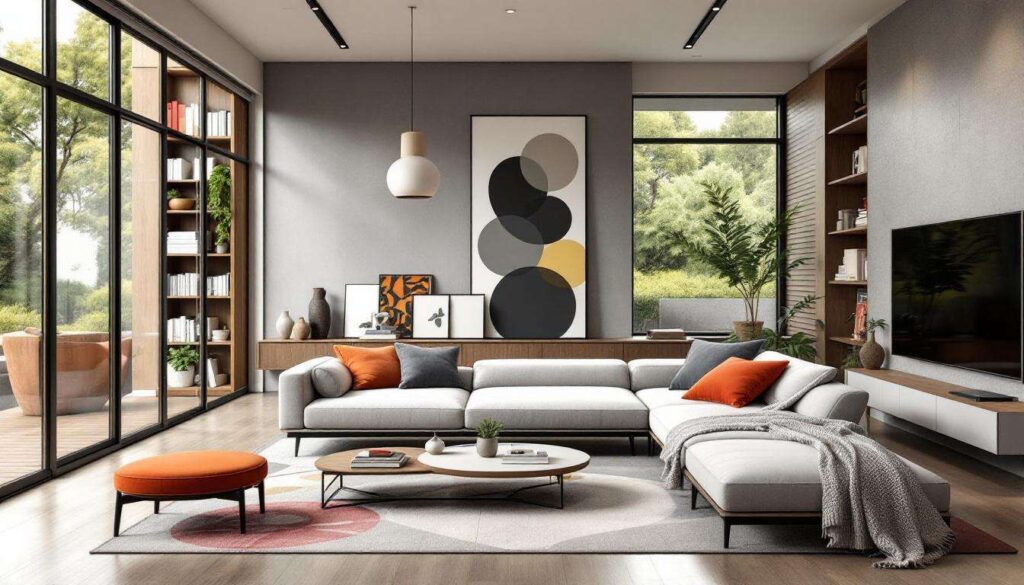
Large sectional sofas are becoming central fixtures in living spaces, prioritising comfort and social connection. These generous pieces invite relaxation and facilitate shared moments, reflecting a cultural shift towards homes as sanctuaries for gathering rather than merely aesthetic showcases.
Multifunctional design solutions
Functionality is being reimagined through intelligent space planning that accommodates diverse activities without compromising style. Key considerations include:
- Furniture pieces with integrated storage
- Flexible layouts that adapt to different uses
- Zones within open-plan spaces defined by rugs and lighting
- Convertible elements for work and leisure activities
Statement rugs as spatial anchors
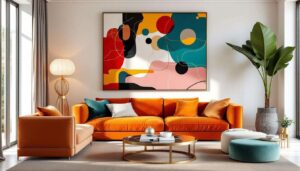
Rugs have evolved from subtle background elements to bold focal points that define and energise spaces. Featuring vibrant colours, intriguing patterns and substantial proportions, these pieces add personality to floors whilst delineating functional zones within larger rooms.
| Rug characteristic | Design impact | Practical benefit |
|---|---|---|
| Bold patterns | Creates visual interest | Conceals wear and stains |
| Large dimensions | Unifies furniture groupings | Defines conversation areas |
| Vibrant colours | Adds personality to neutral schemes | Easily updated for seasonal changes |
As spaces become more functional and personally tailored, technology is being integrated to enhance comfort and well-being.
Technological innovation and well-being
Seamless integration of smart features
Technology is being thoughtfully woven into interior design without dominating the aesthetic. Smart lighting systems, climate control and entertainment options are becoming invisible yet essential components of contemporary homes, controlled through discreet interfaces that maintain visual harmony.
Design for mental and physical health
The connection between interior environments and well-being is receiving unprecedented attention. Design choices now explicitly consider:
- Natural light optimisation through window treatments and reflective surfaces
- Air quality enhancement via plant integration and ventilation design
- Acoustic comfort through sound-absorbing materials
- Ergonomic furniture supporting physical health
- Colour schemes promoting relaxation and focus
Biophilic design principles
Bringing nature indoors through strategic plant placement, natural materials and organic forms supports psychological well-being whilst enhancing aesthetic appeal. This approach recognises the fundamental human need for connection with the natural world, even within urban environments.
These wellness-focused innovations work best when combined with personalised touches that reflect individual identity.
Personalisation and artisanal details
The value of handcrafted elements
Artisanal details are becoming essential markers of personalised spaces. Hand-thrown ceramics, custom-made textiles and bespoke furniture pieces demonstrate a rejection of homogenised design in favour of objects that carry the maker’s touch and individual character.
Layering textures and finishes
Rich, varied textures create depth and visual interest that sterile, uniform surfaces cannot achieve. Successful layering includes:
- Combining smooth and rough surfaces within single rooms
- Mixing matte and glossy finishes
- Pairing delicate fabrics with robust materials
- Incorporating handwoven elements alongside industrial pieces
Telling personal stories through design
The most compelling interiors now function as autobiographical spaces that reflect inhabitants’ experiences, values and aspirations. This narrative approach transforms houses into homes with genuine soul, where every object and finish contributes to a coherent personal story rather than following prescribed design formulas.
The emerging design landscape prioritises authenticity, warmth and individual expression over impersonal perfection. These interconnected trends reflect a fundamental shift towards homes that nurture well-being, celebrate personal history and embrace sustainable materials. The movement away from cold minimalism towards textured, characterful spaces represents more than aesthetic preference; it signals a deeper cultural desire for environments that feel genuinely lived-in and emotionally resonant. As these trends continue to evolve, the focus remains firmly on creating interiors that honour both individual identity and collective responsibility towards more sustainable, meaningful living.