

The pendulum of interior design swings once more, bringing with it a dramatic shift away from the pale woods and minimalist aesthetic that have dominated British homes for over a decade. Dark wood furniture and panelling are reclaiming their place in contemporary interiors, signalling a profound change in how we approach domestic spaces. This resurgence represents more than a superficial trend; it reflects evolving attitudes towards sustainability, heritage, and the very concept of what makes a house feel like home.
Dark wood returns: a new decoration trend in 2026
The shift from light to dark
The dramatic return of dark wood represents a complete reversal of the design philosophy that has prevailed since the early 2010s. Where once bleached oak and pale ash dominated showrooms and Instagram feeds, now rich mahogany, walnut, and ebonised finishes are commanding attention. Leading UK design houses report that enquiries for dark wood furniture have increased by sixty-five per cent over the past eighteen months, with no signs of slowing.
This transformation extends beyond furniture to encompass architectural elements:
- Dark wood panelling in living rooms and studies
- Walnut kitchen cabinetry replacing white gloss units
- Ebonised floorboards as an alternative to light engineered wood
- Mahogany window frames and door surrounds
- Rosewood and teak accent pieces in bedrooms
Key characteristics of the new dark wood aesthetic
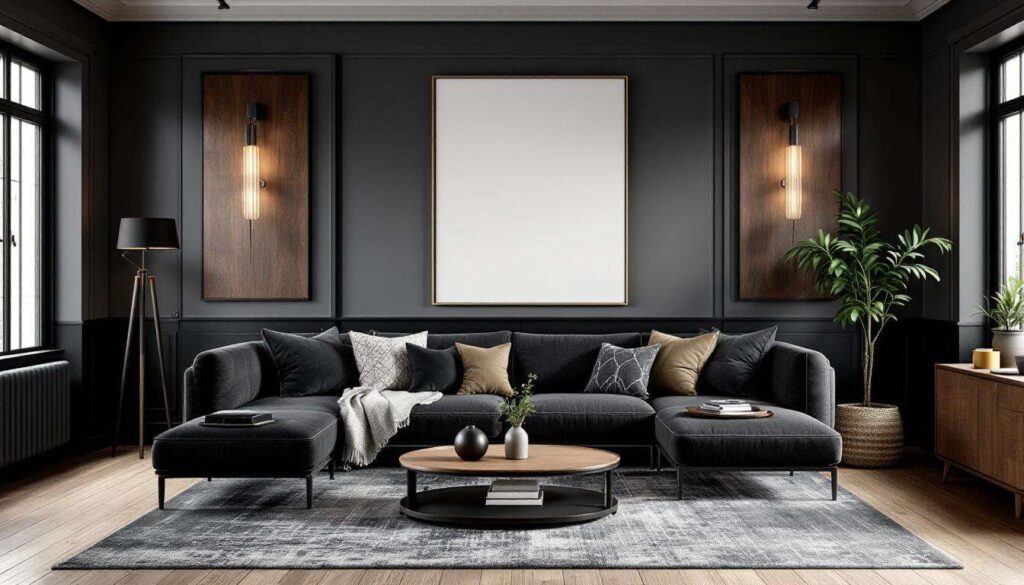
Unlike the heavy Victorian interiors that some might associate with dark wood, this contemporary interpretation balances richness with restraint. Designers are pairing dark wood elements with lighter textiles, strategic lighting, and carefully chosen colour palettes to prevent spaces from feeling oppressive. The result is an aesthetic that feels both grounded and sophisticated, offering visual weight without sacrificing brightness.
| Element | Traditional approach | Contemporary approach |
|---|---|---|
| Wall colour | Dark, matching wood | Soft neutrals or white |
| Lighting | Limited, ambient | Layered, strategic |
| Textiles | Heavy, dark fabrics | Light linens and cottons |
| Accessories | Ornate, numerous | Minimal, curated |
Understanding why this shift is occurring requires examining the cultural and practical factors driving British designers away from the Scandinavian aesthetic that once seemed unassailable.
Why British designers are abandoning the Scandinavian style
Fatigue with minimalist uniformity
The Scandinavian look, with its emphasis on hygge and simplicity, created a generation of interiors that, whilst undeniably pleasant, began to feel interchangeable. Design professionals report that clients increasingly express frustration with the sameness of contemporary homes, where pale wood, white walls, and minimal decoration have become the default rather than a deliberate choice. This aesthetic exhaustion has opened the door for alternatives that offer more personality and distinction.
Climate and light considerations
The Scandinavian aesthetic evolved in response to the long, dark winters of northern Europe, where maximising light reflection became paramount. However, British designers are questioning whether this approach suits the UK’s different light quality and climate patterns. The softer, more diffused British light actually complements darker woods beautifully, creating warmth and depth rather than gloom.
- British daylight has a different quality to Scandinavian light
- UK homes typically have more varied room sizes and ceiling heights
- Central heating systems allow for cosier, more enclosed spaces
- The British climate favours interiors that feel protective and embracing
The desire for individuality
As the Scandinavian style became ubiquitous, it paradoxically lost the very quality that made it initially appealing: distinctiveness. Homeowners seeking to express personal style found themselves constrained by an aesthetic that, whilst elegant, offered limited scope for variation. Dark wood provides a canvas for more expressive and personalised interiors that reflect individual taste rather than adherence to a prescribed formula.
This rejection of uniformity connects to broader cultural movements that are reshaping how British designers approach their craft.
Cultural influence: a return to roots for design
Rediscovering British design heritage
The renewed interest in dark wood coincides with a broader cultural reassessment of British design traditions. From Arts and Crafts to Georgian elegance, the UK possesses a rich heritage of furniture-making and interior design that has been somewhat overshadowed by international trends. Designers are mining this history not for pastiche but for principles and techniques that remain relevant today.
This revival encompasses several historical periods:
- Arts and Crafts movement’s emphasis on quality craftsmanship
- Georgian period’s sophisticated use of mahogany
- Victorian era’s celebration of exotic woods
- Mid-century British design’s functional elegance
- Traditional Scottish and Welsh furniture traditions
Post-globalisation identity
After decades of enthusiastically adopting international design trends, there is a palpable shift towards regional identity in British interiors. This is not nationalism but rather a recognition that design rooted in local traditions, materials, and climate often functions better than imported aesthetics. Dark wood, with its deep connections to British furniture-making history, offers a way to create spaces that feel authentically connected to their context.
The influence of heritage properties
The enduring popularity of historic houses open to the public has subtly influenced contemporary taste. Visitors to National Trust properties and stately homes encounter interiors where dark wood creates atmosphere, grandeur, and a sense of permanence. Whilst few aim to recreate these spaces wholesale, elements of their material richness are being reinterpreted for modern living.
Beyond cultural factors, practical considerations around environmental impact are also driving the dark wood renaissance.
Dark wood and sustainability: a natural alliance
Longevity and durability
Dark hardwoods such as walnut, oak, and mahogany possess exceptional durability, often lasting generations with proper care. In an era increasingly concerned with disposable culture and environmental impact, furniture designed to endure represents a significant sustainability advantage. Unlike fast furniture made from composite materials, quality dark wood pieces can be repaired, refinished, and passed down, reducing the need for replacement.
| Wood type | Average lifespan | Maintenance requirements |
|---|---|---|
| Walnut | 100+ years | Occasional oiling |
| Oak (dark stained) | 150+ years | Minimal |
| Mahogany | 100+ years | Annual polishing |
| Teak | 75+ years | Periodic sealing |
Responsible sourcing and certification
The dark wood trend has emerged alongside improved forestry practices and certification schemes. UK designers are increasingly specifying FSC-certified timber, ensuring that the dark woods they use come from responsibly managed forests. Many are also turning to reclaimed and salvaged timber, giving new life to wood from demolished buildings, old furniture, and industrial structures.
- FSC and PEFC certification guarantees sustainable forestry
- Reclaimed timber reduces demand for newly harvested wood
- British hardwoods from managed woodlands support local ecosystems
- Dark staining of lighter woods extends material options sustainably
Carbon storage benefits
Wood products store carbon absorbed during tree growth, making them a carbon-negative material when sourced sustainably. Dark hardwoods, being denser than softwoods, store more carbon per volume. By choosing long-lasting dark wood furniture and architectural elements, homeowners effectively lock carbon away for decades or centuries, contributing positively to climate goals.
For those convinced by the environmental and aesthetic arguments, the question becomes how to incorporate dark wood effectively into existing spaces.
How to integrate dark wood in a modern interior
Starting with statement pieces
Rather than committing to a complete transformation, designers recommend beginning with key furniture pieces that establish a dark wood presence without overwhelming a space. A walnut dining table, mahogany bookcase, or ebonised console can anchor a room whilst allowing flexibility in surrounding elements. This approach permits experimentation and adjustment as tastes develop.
Balancing light and dark
The success of dark wood in contemporary interiors depends on thoughtful balance. Pairing dark wood elements with lighter walls, floors, or textiles prevents spaces from feeling cave-like whilst maintaining the richness that makes dark wood appealing. Strategic lighting becomes crucial, with layered illumination highlighting wood grain and creating visual interest.
Effective balancing strategies include:
- White or pale neutral walls to reflect light
- Light-coloured upholstery and curtains
- Mirrors positioned to maximise natural light distribution
- Metallic accents in brass or bronze to add warmth
- Glass elements to maintain visual openness
- Artwork with lighter tones to break up dark surfaces
Room-by-room applications
Different spaces benefit from distinct approaches to dark wood integration. In living rooms, dark wood works beautifully in media units, side tables, and shelving, creating focal points without dominating. Dining rooms are particularly suited to dark wood tables and chairs, where the material’s formality enhances the sense of occasion. Bedrooms can accommodate dark wood bedframes and wardrobes, especially when paired with soft, light bedding.
Mixing wood tones
Contemporary design embraces mixing wood tones rather than insisting on perfect matching. A dark walnut sideboard can coexist with medium oak flooring and lighter ash chairs, provided the overall colour palette and style remain coherent. This approach creates depth and prevents interiors from feeling too coordinated or showroom-like.
Beyond aesthetic considerations, dark wood offers tangible practical benefits that justify its resurgence.
The aesthetic and practical advantages of dark wood
Visual warmth and sophistication
Dark wood introduces instant gravitas to interiors, creating a sense of establishment and permanence that lighter materials struggle to match. The rich tones and visible grain patterns provide visual interest that rewards closer inspection, making spaces feel layered and considered rather than flat and generic. This depth of character becomes particularly valuable in an age of mass-produced, homogeneous interiors.
Practical maintenance advantages
Contrary to assumptions, dark wood often proves easier to maintain than lighter alternatives. Minor scratches and marks blend into darker tones more readily, whilst the natural oils in many dark hardwoods provide inherent protection. Unlike painted or veneered furniture that shows damage starkly, solid dark wood develops a patina over time that enhances rather than detracts from its appearance.
| Advantage | Light wood | Dark wood |
|---|---|---|
| Scratch visibility | High | Low |
| Stain resistance | Moderate | Good |
| Aging appearance | Shows wear | Develops patina |
| Refinishing ease | Moderate | Excellent |
Acoustic properties
Dense hardwoods possess excellent acoustic characteristics, absorbing sound and reducing echo in ways that lighter woods and synthetic materials cannot match. In open-plan living spaces where noise control becomes challenging, dark wood furniture and panelling contribute to a more comfortable acoustic environment.
Investment value
Quality dark wood furniture holds its value remarkably well, often appreciating over time as pieces become antique. Unlike trend-driven items that date quickly, well-made dark wood pieces transcend fashion, remaining desirable across decades. This makes them not merely purchases but investments that can be sold or passed on with minimal depreciation.
The return of dark wood to prominence in British interiors represents a maturation of design thinking, moving beyond the tyranny of trends towards choices grounded in practicality, sustainability, and cultural authenticity. As homeowners and designers alike seek spaces with genuine character and longevity, the rich tones and enduring qualities of dark wood offer compelling solutions. This shift acknowledges that whilst minimalism and lightness have their place, so too do warmth, depth, and the tactile satisfaction of materials that improve with age. The challenge now lies not in whether to embrace dark wood, but in integrating it thoughtfully to create interiors that balance contemporary sensibilities with timeless appeal.