



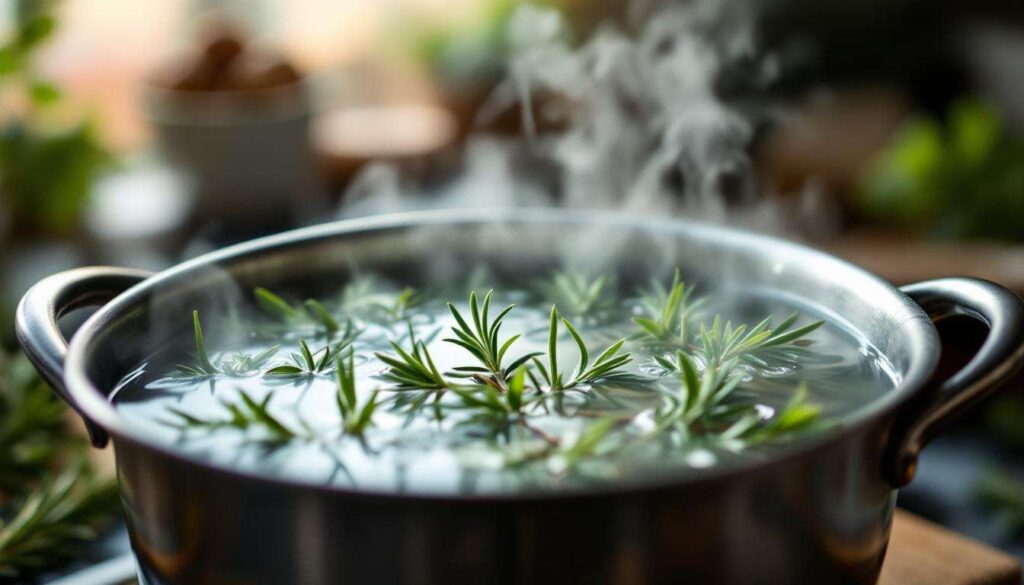
The quest for a naturally fragrant home has led many to rediscover traditional methods passed down through generations. Among these time-honoured practices, boiling rosemary stands out as a remarkably simple yet effective technique that transforms indoor air quality whilst filling rooms with an inviting aroma. This Mediterranean herb, long cherished in culinary traditions, possesses aromatic properties that extend far beyond the kitchen. When gently simmered in water, rosemary releases essential oils that disperse throughout living spaces, creating an atmosphere of freshness and warmth. This method requires minimal effort and investment, making it accessible to anyone seeking an alternative to synthetic air fresheners and chemical-laden products.
The grandmother’s trick: boiled rosemary
Origins of this ancestral practice
Boiling herbs to perfume homes dates back centuries, when households relied entirely on natural resources for daily needs. Rosemary emerged as a favoured choice due to its abundance in Mediterranean regions and its powerful, lasting fragrance. Grandmothers across Southern Europe would simmer sprigs of this evergreen herb during cold months, simultaneously warming their homes and masking less pleasant odours from cooking or damp conditions. The practice became particularly popular in rural communities where access to commercial products was limited, and resourcefulness dictated household management.
The science behind the scent
When rosemary undergoes heating in water, a process known as steam distillation occurs naturally. The heat causes the plant’s essential oil compounds to vaporise and blend with water molecules, creating a fragrant steam that disperses throughout the environment. These volatile compounds include:
- Cineole, which provides a fresh, camphoraceous note
- Pinene, offering woody undertones reminiscent of pine forests
- Camphor, contributing to the herb’s distinctive sharpness
- Borneol, adding subtle herbal complexity
This combination creates a multi-layered aromatic profile that proves far more sophisticated than single-note synthetic fragrances. The gradual release ensures the scent remains present without becoming overwhelming, a balance difficult to achieve with commercial air fresheners.
Simplicity and accessibility
The beauty of this method lies in its straightforward execution. Unlike complex home improvement projects or expensive diffusion systems, boiling rosemary requires only a saucepan, water, and fresh or dried rosemary sprigs. This accessibility makes it ideal for those seeking immediate results without financial investment or technical knowledge. The technique adapts easily to various living situations, whether in spacious houses or compact flats, proving equally effective regardless of square footage.
Beyond its practical simplicity, this approach connects modern households to traditional wisdom, offering a sense of continuity with past generations who valued natural solutions.
Why choose rosemary to scent your home
Natural properties and advantages
Rosemary distinguishes itself from other herbs through its robust aromatic intensity and longevity. Unlike delicate herbs such as basil or parsley, which lose their fragrance quickly when heated, rosemary maintains its potency throughout extended simmering periods. The herb’s woody structure contains higher concentrations of essential oils, ensuring sustained release of fragrance compounds. Additionally, rosemary’s scent profile appeals to a broad range of preferences, combining freshness with warmth in a manner that feels neither overly floral nor excessively sharp.
Cost-effectiveness compared to alternatives
A comparison of fragrance methods reveals significant financial advantages to using rosemary:
| Method | Initial cost | Ongoing expense | Duration of effect |
|---|---|---|---|
| Boiled rosemary | £1-3 per bunch | Minimal (water, energy) | 2-4 hours per session |
| Reed diffusers | £15-40 | £10-25 monthly refills | Continuous (requires refilling) |
| Scented candles | £8-30 each | Replacement every 20-40 hours | Limited to burn time |
| Electric diffusers | £20-60 | £8-20 for essential oils | Varies by usage |
The figures demonstrate that rosemary offers exceptional value, particularly for those who grow the herb themselves or purchase it in bulk from markets.
Environmental considerations
Choosing rosemary aligns with sustainable living principles. The method produces no plastic waste, requires no synthetic chemicals, and leaves behind only biodegradable plant material. Commercial air fresheners often contain volatile organic compounds that contribute to indoor air pollution and environmental degradation. By contrast, rosemary is entirely natural, renewable, and compostable after use. For environmentally conscious households, this represents a meaningful step towards reducing chemical exposure and waste production.
These practical and ethical advantages make rosemary an increasingly popular choice for those reconsidering their approach to home fragrance.
The unexpected benefits of rosemary
Cognitive and psychological effects
Research into aromatherapy has revealed that rosemary’s scent influences mental performance and mood. Studies suggest that exposure to rosemary aroma may enhance memory retention, improve concentration, and increase alertness. The herb’s stimulating properties make it particularly beneficial in workspaces or study areas where focus is essential. Additionally, many individuals report feeling more energised and positive in environments scented with rosemary, attributing this to the herb’s invigorating aromatic profile.
Potential antimicrobial properties
Beyond its pleasant fragrance, rosemary possesses compounds with antimicrobial activity. When dispersed through steam, these substances may help reduce airborne bacteria and fungi, contributing to improved indoor air quality. Whilst boiling rosemary should not replace proper ventilation or hygiene practices, it offers a supplementary benefit that commercial air fresheners cannot match. The herb’s natural antiseptic qualities have been recognised in traditional medicine for centuries, and modern science continues to validate these historical applications.
Stress reduction and relaxation
Despite its stimulating reputation, rosemary also facilitates stress relief when used appropriately. The ritual of preparing and simmering the herb creates a mindful moment in busy schedules, whilst the resulting aroma provides sensory comfort. Many practitioners of aromatherapy recommend rosemary for balancing mental states, neither overly sedating nor excessively energising. This versatility makes it suitable for various times of day and different household needs, from morning invigoration to evening unwinding.
These multifaceted benefits extend the value of boiling rosemary well beyond simple air freshening, positioning it as a holistic approach to home wellness.
How to boil rosemary for optimal fragrance
Selecting and preparing rosemary
The quality of rosemary significantly impacts the final result. Fresh rosemary typically produces the most vibrant fragrance, though dried rosemary remains effective and convenient. When selecting fresh sprigs, look for vibrant green needles without yellowing or wilting, and stems that feel firm rather than woody. For optimal results, use approximately:
- 4-6 fresh sprigs (about 15-20 cm in length) for medium-sized rooms
- 2-3 tablespoons of dried rosemary as an alternative
- Additional sprigs for larger open-plan spaces
Before use, rinse the rosemary gently under cool water to remove any dust or debris. There is no need to strip the needles from stems; whole sprigs release fragrance more gradually, extending the aromatic effect.
The boiling process step by step
Achieving the best results requires attention to temperature and timing. Fill a medium saucepan with approximately one litre of water and add the prepared rosemary. Place the pan on a hob over medium-high heat until the water reaches a rolling boil. Once boiling commences, reduce the heat to low, maintaining a gentle simmer rather than vigorous bubbling. This controlled temperature prevents the water from evaporating too quickly whilst ensuring continuous release of aromatic compounds.
Monitor the water level periodically, adding more as needed to prevent the pan from boiling dry. A single session typically lasts two to four hours, though this can be adjusted based on personal preference and the desired intensity of fragrance. For enhanced effect, consider adding complementary ingredients such as:
- Lemon slices for citrus brightness
- Vanilla extract for warmth and sweetness
- Cinnamon sticks for spicy depth
- Bay leaves for herbal complexity
Safety considerations and best practices
Whilst boiling rosemary is generally safe, certain precautions ensure a worry-free experience. Never leave simmering pots unattended, as evaporating water poses a fire risk if the pan runs dry. Position the saucepan on a rear burner away from curious children or pets who might accidentally knock it over. Ensure adequate ventilation by opening windows slightly, as concentrated steam in poorly ventilated spaces may cause condensation on walls and windows.
After use, allow the rosemary-infused water to cool completely before disposal. The used herbs can be composted or discarded with organic waste, whilst the fragrant water may be strained and used as a natural cleaning solution for floors or surfaces.
Mastering these techniques allows households to maximise the aromatic potential of rosemary whilst maintaining safety and efficiency.
Other natural tips to fragrance your home
Complementary herbs and botanicals
Whilst rosemary excels as a standalone fragrance, combining it with other natural materials creates unique aromatic profiles. Lavender offers calming floral notes that balance rosemary’s sharpness, whilst thyme contributes earthy undertones. Mint varieties provide refreshing coolness, and sage adds herbal depth. Experimenting with different combinations allows households to develop signature scents that reflect personal preferences and seasonal moods.
Alternative natural fragrance methods
Beyond boiling, several techniques harness natural materials for home fragrance:
- Dried herb sachets placed in wardrobes and drawers release subtle scents over extended periods
- Citrus peel arrangements in bowls provide fresh, uplifting aromas whilst adding visual appeal
- Baking soda mixed with essential oils absorbs odours whilst dispersing pleasant fragrances
- Fresh flowers strategically positioned throughout rooms offer natural beauty and delicate scents
- Simmering potpourri combines dried flowers, spices, and herbs for complex aromatic blends
Seasonal adaptations
Adjusting fragrance choices to match seasons enhances the sensory experience of home environments. Spring benefits from light, floral combinations featuring rosemary with jasmine or honeysuckle. Summer calls for refreshing blends incorporating mint, basil, and citrus alongside rosemary. Autumn welcomes warmer profiles combining rosemary with cinnamon, clove, and apple. Winter favours rich, comforting scents pairing rosemary with pine, nutmeg, and orange.
These natural alternatives provide diverse options for maintaining a pleasantly fragrant home throughout the year without relying on synthetic products.
Frequently asked questions about using rosemary in the home
How often can rosemary be boiled safely ?
Boiling rosemary can be performed as frequently as desired without adverse effects, though most households find two to three sessions per week sufficient to maintain pleasant ambient fragrance. Daily use is perfectly safe provided proper ventilation is maintained and safety precautions are observed. The practice poses no health risks when conducted in well-ventilated spaces, making it suitable for regular incorporation into household routines.
Can dried rosemary substitute for fresh ?
Dried rosemary serves as an excellent alternative to fresh sprigs, offering convenience and extended shelf life. Whilst fresh rosemary typically produces slightly more vibrant fragrance, dried herbs remain potent and effective. Use approximately half the quantity of dried rosemary compared to fresh, as the drying process concentrates essential oils. Store dried rosemary in airtight containers away from direct sunlight to preserve its aromatic properties.
Will boiling rosemary affect pets ?
Rosemary is generally considered safe around pets when used for home fragrance, as the diluted aromatic compounds dispersed through steam pose minimal risk. However, some animals may be sensitive to strong scents, so observe pets for any signs of discomfort such as sneezing, excessive grooming, or avoidance of certain rooms. Ensure pets cannot access the simmering pot, and maintain adequate ventilation to prevent overwhelming concentration of fragrance in enclosed spaces.
How long does the scent last after boiling ?
The fragrance typically remains noticeable for one to three hours after boiling ceases, gradually fading as aromatic compounds dissipate. Factors affecting duration include room size, ventilation levels, and initial intensity of the scent. To prolong the effect, keep windows closed immediately after boiling, then open them slightly to refresh air without completely eliminating the fragrance. The scent may linger longer in fabrics and soft furnishings, extending the overall aromatic experience.
The practice of boiling rosemary represents a return to natural, sustainable methods of home fragrance that honour traditional wisdom whilst meeting modern needs. This simple technique offers numerous advantages over commercial alternatives, from cost-effectiveness and environmental friendliness to unexpected health benefits and aromatic versatility. By requiring only basic materials and minimal effort, it remains accessible to all households regardless of budget or living situation. The method’s adaptability allows for creative experimentation with complementary herbs and seasonal variations, ensuring the home environment remains fresh and inviting throughout the year. Whether seeking to reduce chemical exposure, embrace sustainable living, or simply enjoy the comforting aroma of Mediterranean herbs, boiling rosemary provides an elegant solution that transforms indoor spaces with remarkable effectiveness.