
The colours adorning our living spaces speak volumes about contemporary design sensibilities and personal taste. Sofas, as centrepieces of domestic comfort, reflect broader aesthetic movements whilst anchoring interior schemes. From subtle neutrals to statement-making hues, the palette of popular sofa colours continues to evolve, shaped by cultural shifts, environmental awareness, and a renewed appreciation for both tradition and innovation in home furnishing.
Sofa colour trends for 2026
The evolution of colour preferences
The landscape of sofa colour preferences demonstrates a fascinating interplay between timeless classics and emerging trends. Design forecasters have identified a movement towards colours that offer psychological comfort whilst maintaining visual interest. This shift reflects broader societal needs for spaces that provide sanctuary without sacrificing style.
Several factors influence these colour trajectories:
- Increased awareness of sustainable materials and natural dyes
- The desire for furniture that transcends fleeting trends
- Growing interest in biophilic design principles
- The influence of global design movements and cultural exchange
- Technological advances in fabric production and colour fastness
Market insights and consumer behaviour
Recent market analysis reveals compelling patterns in consumer choices. The data indicates a bifurcation in preferences, with buyers gravitating towards either safe, versatile neutrals or bold, personality-driven hues that make definitive statements.
| Colour category | Market share (%) | Growth trajectory |
|---|---|---|
| Neutrals | 42 | Stable |
| Blues | 18 | Rising |
| Greens | 15 | Rising |
| Earth tones | 12 | Accelerating |
| Other colours | 13 | Variable |
Understanding these foundational trends provides context for examining specific colour families that dominate contemporary interiors.
Neutral tones: a safe bet
The enduring dominance of beige and grey
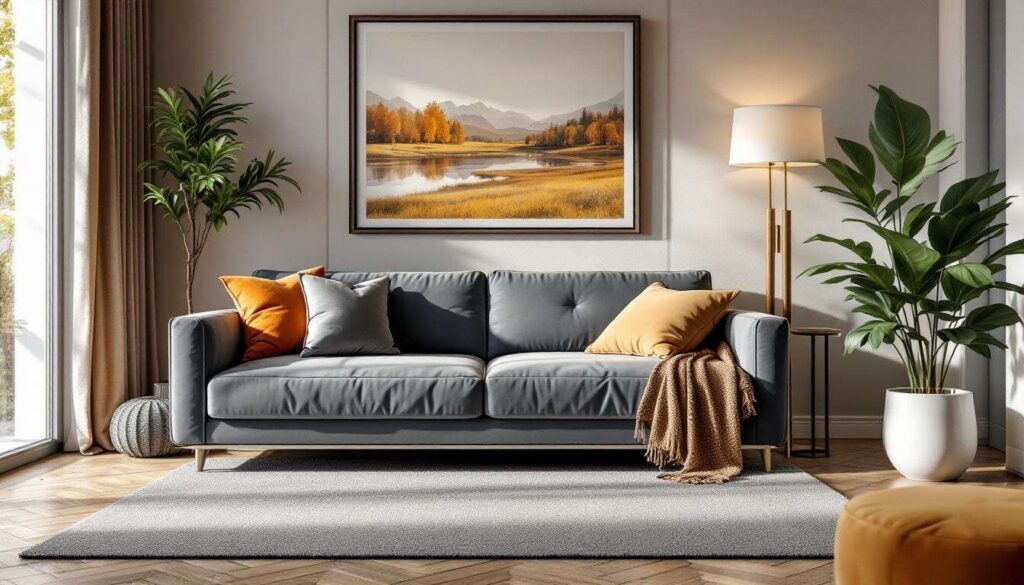
Neutral palettes maintain their position as the most popular choice for sofa upholstery, offering unparalleled versatility. Warm beiges, sophisticated greys, and creamy off-whites provide a foundation that accommodates evolving décor preferences without requiring furniture replacement.
Contemporary neutrals have evolved beyond basic shades:
- Greige: the hybrid of grey and beige offering warmth with modern sophistication
- Warm taupe: a richer alternative to cool greys
- Oatmeal: a textured neutral with organic undertones
- Mushroom: a soft, earthy neutral with subtle brown notes
- Parchment: a warm off-white with vintage appeal
Practical advantages of neutral sofas
Beyond aesthetic considerations, neutral sofas offer tangible benefits for homeowners. Their longevity in style translates to better value, whilst their adaptability allows for seasonal décor changes through cushions and throws. These colours also photograph well, an increasingly relevant consideration in our visually connected world.
The psychological impact of neutrals shouldn’t be underestimated. These colours create calming environments that reduce visual stress, particularly valuable in open-plan spaces where the sofa remains constantly visible. Their understated presence allows other design elements to shine whilst maintaining cohesive schemes.
Whilst neutrals provide a reliable foundation, colour enthusiasts increasingly explore bolder options that inject personality into their spaces.
Shades of blue
From navy to powder: the blue spectrum
Blue sofas have experienced remarkable growth in popularity, offering a sophisticated alternative to neutrals. The colour’s psychological associations with tranquillity and stability make it particularly appealing for living spaces designed for relaxation and social gathering.
The range of blue tones available caters to diverse aesthetic preferences:
- Navy blue: a classic choice offering depth without the severity of black
- Teal: a blue-green hybrid bringing energy and individuality
- Powder blue: a soft, approachable shade with vintage charm
- Sapphire: a jewel-toned option for dramatic impact
- Slate blue: a muted, sophisticated grey-blue
Styling blue sofas in contemporary interiors
Blue upholstery pairs exceptionally well with both warm and cool colour schemes. Navy sofas anchor spaces with authority, complementing brass fixtures and warm wood tones. Lighter blues create airy, coastal-inspired atmospheres when combined with whites and natural textures.
The versatility of blue extends to various design styles. Mid-century modern schemes benefit from rich teals, whilst Scandinavian interiors embrace softer powder blues. Traditional settings accommodate navy beautifully, particularly in velvet or linen fabrics that enhance the colour’s inherent elegance.
The success of blue naturally leads to consideration of another nature-inspired hue that has captured design attention.
The timeless appeal of green
Nature-inspired hues gaining momentum
Green sofas represent a growing segment of the market, driven by biophilic design principles and environmental consciousness. The colour’s connection to nature provides psychological benefits, bringing a sense of the outdoors into interior spaces.
Popular green variations include:
- Sage green: a muted, grey-green offering sophistication and calm
- Emerald: a luxurious jewel tone making bold statements
- Olive: an earthy, vintage-inspired shade
- Forest green: a deep, grounding tone with traditional appeal
- Mint: a fresh, youthful pastel option
The versatility of green in interior design
Green’s remarkable adaptability allows it to function as either a neutral or an accent, depending on the shade selected. Sage and olive greens provide subtle backdrops, whilst emerald and forest greens command attention as focal points.
The colour harmonises beautifully with natural materials. Wooden furniture, rattan accessories, and stone surfaces all complement green upholstery, creating cohesive, organic schemes. Metallic accents in gold or brass enhance green’s luxurious qualities, whilst black fixtures provide striking contrast.
For those seeking even more dramatic colour statements, red offers unmatched impact and energy.
Bold reds
Making statements with confident colour
Red sofas represent the boldest choice in contemporary furniture, appealing to confident decorators willing to embrace colour as a defining feature. Far from being overwhelming, carefully selected red tones can anchor spaces with warmth and sophistication.
| Red shade | Design style | Best suited for |
|---|---|---|
| Burgundy | Traditional/Classic | Formal living rooms |
| Terracotta | Mediterranean/Bohemian | Casual spaces |
| Cherry red | Mid-century/Retro | Statement pieces |
| Brick red | Industrial/Rustic | Loft apartments |
Balancing red in interior schemes
Successfully incorporating red sofas requires thoughtful consideration of surrounding elements. Neutral walls allow red upholstery to shine without overwhelming senses, whilst complementary accessories in burgundy or pink create harmonious layers.
The psychological impact of red energises spaces, making it particularly effective in social areas designed for conversation and entertainment. However, its stimulating nature makes it less suitable for bedrooms or meditation spaces where calm is prioritised.
For those who appreciate colour but prefer gentler approaches, pastel options offer appealing alternatives.
The softness of pastels
Gentle hues creating serene spaces
Pastel sofas have emerged as popular choices for those seeking colour without intensity. These soft hues provide visual interest whilst maintaining the calming qualities associated with lighter tones.
Trending pastel shades include:
- Blush pink: a romantic, sophisticated option gaining widespread appeal
- Lavender: a purple-toned pastel offering uniqueness
- Peach: a warm, inviting shade with vintage charm
- Pale yellow: a cheerful tone bringing sunshine indoors
- Soft coral: a pink-orange hybrid with contemporary appeal
Styling considerations for pastel upholstery
Pastel sofas work exceptionally well in light-filled spaces where natural illumination enhances their delicate qualities. They pair beautifully with white or cream walls, creating airy, expansive atmospheres particularly valued in smaller rooms.
The key to successful pastel integration lies in avoiding overly sweet combinations. Grounding pastel sofas with darker wood tones, black accents, or metallic fixtures prevents spaces from appearing childish. Textural variety through velvet, linen, or bouclé fabrics adds sophistication to these gentle hues.
As design preferences continue evolving, another colour family has experienced renewed interest and appreciation.
The comeback of earthy colours
Terracotta, rust, and caramel tones
Earthy colours have experienced a remarkable resurgence, reflecting broader cultural movements towards sustainability and natural living. These warm, grounding tones create inviting atmospheres that feel both contemporary and timeless.
Popular earthy sofa colours include:
- Terracotta: a clay-inspired orange-brown with Mediterranean appeal
- Rust: a deeper, reddish-brown offering richness
- Caramel: a warm, golden-brown with luxurious qualities
- Ochre: a yellow-toned earth colour with artistic heritage
- Burnt sienna: a deep, sophisticated orange-brown
Creating cohesive schemes with earth tones
Earthy sofas excel in layered, textural schemes that celebrate natural materials. They harmonise beautifully with exposed brick, concrete floors, and wooden beams, making them ideal for industrial or rustic interiors.
These colours also complement global-inspired décor, working particularly well with Moroccan textiles, Indian block prints, and African mudcloth patterns. The warmth of earth tones creates welcoming environments that encourage gathering and conversation.
| Earth tone | Complementary colours | Accent materials |
|---|---|---|
| Terracotta | Cream, sage, navy | Rattan, brass |
| Rust | Charcoal, teal, mustard | Leather, copper |
| Caramel | White, black, forest green | Wood, marble |
The colour palette available for contemporary sofas reflects diverse aesthetic preferences and lifestyle needs. From dependable neutrals offering timeless versatility to bold statement hues expressing individual personality, the spectrum accommodates every design vision. Emerging trends towards nature-inspired colours demonstrate growing environmental consciousness, whilst the enduring popularity of classics confirms their lasting appeal. Whether selecting calming pastels, sophisticated blues, or grounding earth tones, the key lies in choosing colours that resonate personally whilst complementing existing décor. The most successful interiors balance trend awareness with authentic self-expression, creating spaces that feel both current and genuinely reflective of those who inhabit them.