


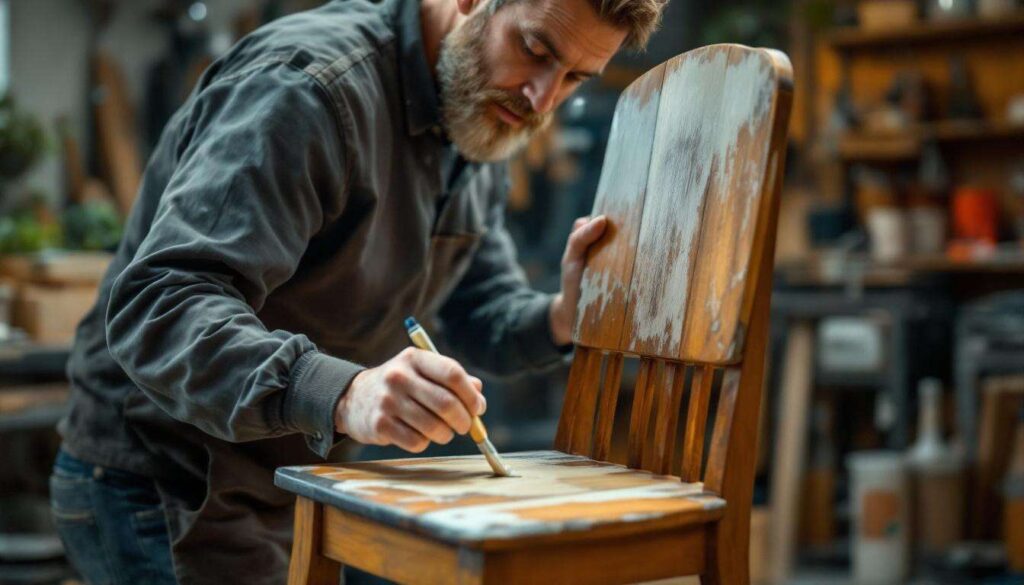
Wooden furniture carries stories, memories, and craftsmanship that deserve preservation. Over time, exposure to sunlight, humidity, and daily wear can diminish the lustre of treasured pieces, leaving them dull and lifeless. Professional restoration services often command steep prices, yet restoration experts have long relied on a surprisingly simple homemade solution that breathes new life into aged wood. This time-tested method combines readily available ingredients to revitalise surfaces, restore colour depth, and protect against further deterioration. Whether confronting a Victorian dining table or mid-century sideboard, understanding this approach empowers furniture owners to reclaim the original beauty of their wooden possessions without resorting to harsh chemicals or expensive treatments.
Understanding the process of restoring wooden furniture
The science behind wood deterioration
Wood undergoes natural degradation as it ages, primarily through oxidation and moisture loss. The cellular structure of timber contains lignin and cellulose, which break down when exposed to ultraviolet light, causing discolouration and brittleness. Surface finishes such as varnish, shellac, or wax also deteriorate, developing a cloudy appearance or cracking entirely. Understanding these processes helps identify appropriate restoration techniques rather than applying unsuitable products that might exacerbate damage.
Assessing your furniture’s condition
Before beginning restoration, thorough assessment proves essential. Examine the piece for:
- Depth of scratches and surface damage
- Presence of existing finishes or coatings
- Structural integrity of joints and supports
- Evidence of woodworm or rot
- Original wood species and grain patterns
This evaluation determines whether the homemade solution suffices or whether professional intervention becomes necessary for structural repairs. Surface restoration addresses cosmetic concerns effectively, whilst deeper issues require carpentry skills. Testing any solution on an inconspicuous area prevents unwanted reactions with existing finishes.
With a clear understanding of wood deterioration and proper assessment completed, attention turns to gathering the specific components that make this restoration solution remarkably effective.
The essential ingredients for your homemade solution
The three-component formula
The restoration solution combines three household ingredients in specific proportions. White vinegar serves as the cleaning agent, dissolving accumulated grime and oxidised finish residue. Olive oil penetrates wood fibres, restoring moisture and enhancing grain definition. Lemon juice acts as a mild bleach and provides additional cleaning properties whilst imparting a fresh scent. These components work synergistically to clean, nourish, and revitalise wooden surfaces.
| Ingredient | Quantity | Purpose |
|---|---|---|
| White vinegar | 60ml | Cleaning and dissolving residue |
| Olive oil | 60ml | Nourishing and conditioning |
| Lemon juice | 30ml | Brightening and deodorising |
Quality considerations for ingredients
Ingredient quality significantly impacts results. Extra virgin olive oil contains higher concentrations of beneficial compounds compared to refined varieties, though standard olive oil proves adequate for most applications. Distilled white vinegar with 5% acidity provides optimal cleaning without excessive harshness. Freshly squeezed lemon juice outperforms bottled alternatives, which often contain preservatives that may leave residues. Avoid substituting ingredients with similar products, as chemical compositions differ substantially and may produce undesirable effects on wood surfaces.
Having identified the necessary components, the preparation process requires careful attention to proportions and mixing techniques to achieve the desired consistency.
Key steps in preparing your restoration solution
Mixing procedure and proportions
Combine ingredients in a clean glass container rather than plastic or metal vessels, which may react with acidic components. Pour the white vinegar first, followed by olive oil, then lemon juice. Shake vigorously for approximately thirty seconds to create an emulsion. The mixture naturally separates upon standing, requiring agitation before each use. Prepare only quantities needed for immediate application, as the solution maintains optimal effectiveness for roughly one week when stored in a cool, dark location.
Temperature and storage considerations
Room temperature ingredients blend more readily than cold components. Allow refrigerated olive oil to reach ambient temperature before mixing, ensuring proper emulsification. Store the prepared solution away from direct sunlight in an opaque or amber glass bottle. Extreme temperatures compromise ingredient stability, so avoid storage near radiators or in unheated spaces during winter months. Label containers clearly with preparation dates and contents to prevent confusion with other household solutions.
With the solution properly prepared, application techniques determine the quality of restoration results and the furniture’s final appearance.
Applying the solution for optimal results
Surface preparation requirements
Remove loose dirt and debris using a soft brush or vacuum with upholstery attachment. Wipe surfaces with a slightly damp cloth to eliminate surface dust, then allow complete drying before applying the restoration solution. Clean wood absorbs the treatment more effectively than dusty surfaces, which can create muddy residues. For heavily soiled pieces, preliminary cleaning with mild soap and water may prove necessary, followed by thorough drying for at least twenty-four hours.
Application technique and timing
Shake the solution container thoroughly before use. Apply with a soft, lint-free cloth using circular motions, working with the wood grain direction. Moderate pressure helps the solution penetrate surface layers without excessive saturation. Key application principles include:
- Work in small sections approximately 30cm square
- Apply thin, even coats rather than heavy applications
- Allow five to ten minutes for absorption
- Buff with a clean cloth to remove excess solution
- Repeat application on severely damaged areas after initial treatment dries
The transformation becomes apparent within minutes as the wood’s natural colour deepens and grain patterns emerge with renewed clarity. Multiple applications may prove necessary for severely neglected pieces, with forty-eight hours between treatments allowing proper absorption and evaluation of results.
Successful restoration represents merely the beginning of furniture care, as ongoing maintenance ensures lasting beauty and protection against future deterioration.
Regular maintenance to preserve the furniture’s beauty
Establishing a maintenance schedule
Consistent care prevents the accumulation of damage that necessitates intensive restoration. Apply the homemade solution monthly for frequently used pieces and quarterly for display furniture. This schedule maintains the protective oil layer whilst removing accumulated dust and fingerprints before they bond permanently to surfaces. Adjust frequency based on environmental conditions, with centrally heated homes requiring more frequent treatments due to accelerated moisture loss from wood.
Environmental protection strategies
Position furniture away from direct sunlight, which accelerates finish deterioration and causes uneven fading. Maintain relative humidity between 40% and 60% to prevent wood expansion, contraction, and splitting. Use coasters, placemats, and protective pads beneath decorative objects to shield surfaces from moisture rings and scratches. These preventive measures substantially reduce restoration requirements and extend furniture lifespan considerably.
Even with proper maintenance, certain common errors can undermine restoration efforts and potentially damage valuable pieces.
Expert tips for avoiding common mistakes
Recognising inappropriate applications
This homemade solution suits finished wooden furniture but proves unsuitable for raw, unsealed wood or pieces with intact lacquer finishes. Applying oil-based treatments to lacquered surfaces creates cloudy patches and adhesion problems. Similarly, painted furniture requires different maintenance approaches, as oil penetrates paint layers unpredictably. Antique pieces with original finishes may warrant professional consultation before applying any treatment, as inappropriate products can diminish historical and monetary value substantially.
Avoiding over-application problems
Excessive solution application creates sticky residues that attract dust and require laborious removal. Common over-application mistakes include:
- Saturating wood until liquid pools on surfaces
- Applying treatments more frequently than monthly
- Failing to buff away excess solution adequately
- Treating furniture in humid conditions that prevent proper drying
- Using the solution on veneer edges, causing delamination
Less proves more with this restoration approach. Thin, regular applications build protective layers gradually without overwhelming wood fibres or creating surface build-up. Patience yields superior results compared to aggressive treatment attempts.
This homemade restoration solution offers furniture owners an accessible, economical alternative to commercial products and professional services. The combination of white vinegar, olive oil, and lemon juice addresses multiple aspects of wood deterioration simultaneously, cleaning surfaces whilst replenishing lost moisture and enhancing natural beauty. Success depends upon proper assessment, careful preparation, appropriate application, and consistent maintenance rather than expensive equipment or specialised knowledge. By understanding wood’s natural properties and respecting its vulnerabilities, even novice restorers achieve remarkable transformations that preserve cherished pieces for future generations. The simplicity of this method belies its effectiveness, proving that traditional wisdom often surpasses modern alternatives in both results and sustainability.