


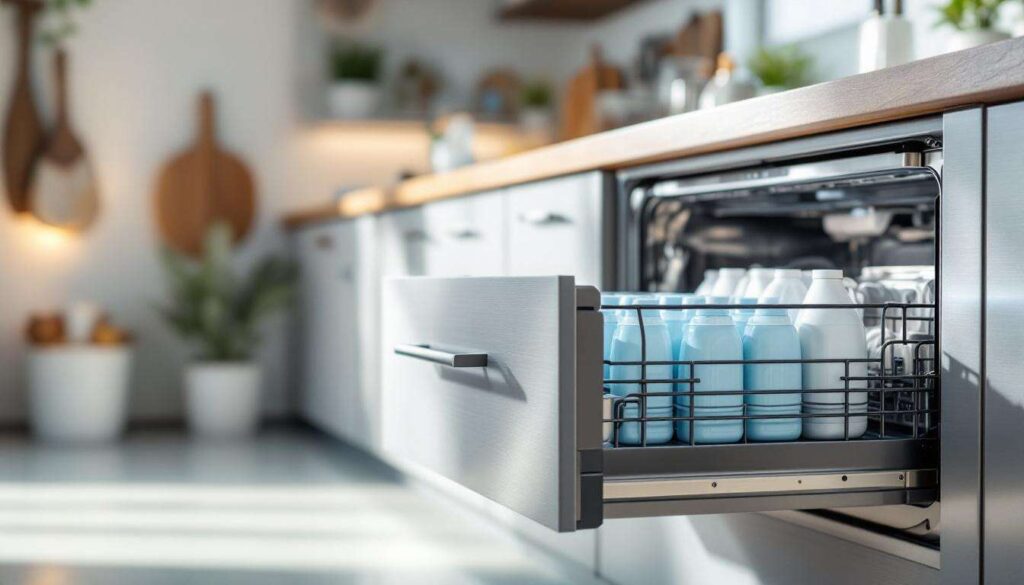
Dishwasher tablets have become a household staple for sparkling clean dishes, but their cleaning prowess extends far beyond the confines of the dishwasher itself. These compact powerhouses contain a potent combination of enzymes, surfactants and bleaching agents that can tackle stubborn grime throughout your home. From scorched cookware to grimy bathroom fixtures, experts are revealing the surprising versatility of these convenient cleaning tablets. Here’s how to harness their power for tasks you never imagined possible.
Cleaning burnt pots and pans
The science behind the solution
Burnt-on food can transform your favourite cookware into a cleaning nightmare, but dishwasher tablets offer a remarkably effective solution. The enzymatic ingredients in these tablets work to break down carbonised food particles, whilst the alkaline compounds help to lift stubborn residue from metal surfaces. Professional cleaners have long recognised this application as one of the most practical uses for dishwasher tablets outside their intended purpose.
Step-by-step cleaning method
To restore your burnt cookware, follow this expert-recommended process:
- Fill the affected pot or pan with hot water, ensuring the burnt areas are completely submerged
- Drop one dishwasher tablet into the water and allow it to dissolve naturally
- Leave the solution to work for at least 30 minutes for light burns, or overnight for severe cases
- Use a non-abrasive scrubbing pad to gently remove the loosened residue
- Rinse thoroughly with clean water and wash as normal
This method proves particularly effective on stainless steel and enamel-coated cookware, though experts caution against using it on non-stick surfaces where the powerful cleaning agents might damage the coating. The approach works equally well on baking trays and roasting tins that have accumulated baked-on grease over time.
Removing stubborn stains from laundry
Tackling tough fabric stains
Laundry stains that survive a normal wash cycle often require additional intervention, and dishwasher tablets can provide the extra cleaning power needed to eliminate them. The oxygen-based bleaching agents found in many dishwasher tablets work similarly to dedicated stain removers, making them suitable for treating everything from grass stains to food spills.
Application techniques for different fabrics
Dissolve one tablet in a bucket of hot water to create a pre-soaking solution for heavily stained items. White cotton and colourfast fabrics respond particularly well to this treatment. Submerge the stained garments and allow them to soak for several hours before washing as usual. For localised stains, you can create a paste by crushing a tablet and mixing it with a small amount of water, then applying it directly to the affected area.
| Fabric type | Recommended soaking time | Water temperature |
|---|---|---|
| White cotton | 2-4 hours | Hot (60°C) |
| Colourfast synthetics | 1-2 hours | Warm (40°C) |
| Delicate fabrics | Not recommended | N/A |
Always test the solution on an inconspicuous area first, particularly with coloured fabrics, as the bleaching agents may cause fading. Understanding how these tablets interact with various appliances and surfaces naturally leads to their effectiveness in kitchen cleaning tasks.
Degreasing the oven and microwave
Breaking down baked-on grease
Kitchen appliances accumulate layers of grease and food splatter that can seem impossible to remove with conventional cleaners. Dishwasher tablets excel at cutting through these stubborn deposits thanks to their formulation designed to handle baked-on food residue. The combination of surfactants and alkaline compounds makes them particularly effective against the types of grease found in ovens and microwaves.
Safe application methods
For oven cleaning, dissolve a tablet in a bowl of hot water and use a cloth or sponge to apply the solution to greasy surfaces. The chemical action begins working immediately, softening hardened grease for easier removal. Allow the solution to sit for 15-20 minutes before wiping clean with a damp cloth. For microwave cleaning, place a dissolved tablet solution in a microwave-safe bowl and heat on high for two minutes, allowing the steam to penetrate and loosen grime before wiping clean.
Precautions and best practices
Experts recommend wearing gloves when using dishwasher tablets for cleaning, as the concentrated formula can irritate skin. Ensure adequate ventilation when cleaning enclosed spaces like ovens, and always rinse surfaces thoroughly with clean water after treatment. Avoid using this method on self-cleaning oven coatings or aluminium surfaces, which may react adversely to the alkaline compounds. The versatility that makes these tablets effective in the kitchen extends equally well to bathroom cleaning challenges.
Making the bathroom sparkle
Eliminating limescale and soap scum
Bathrooms present unique cleaning challenges due to the constant exposure to water, soap and mineral deposits. Dishwasher tablets contain phosphates and citric acid that effectively dissolve limescale and soap scum, making them ideal for bathroom surfaces. From shower screens to taps, these tablets can restore shine to fixtures dulled by hard water deposits.
Targeted cleaning applications
Create a cleaning solution by dissolving one tablet in warm water for general bathroom cleaning. For shower screens and glass doors, apply the solution with a microfibre cloth, working in circular motions to break down soap scum. The solution also works exceptionally well on:
- Chrome taps and fixtures, restoring their original lustre
- Ceramic tiles and grout lines affected by mildew and discolouration
- Toilet bowls, where the tablet can be dropped directly into the water for overnight cleaning
- Bathtub rings and stubborn watermarks around sinks
For particularly stubborn limescale, allow the solution to sit for 30 minutes before scrubbing. The effervescent action of dissolving tablets can also help to clean drain openings and eliminate odours. These same odour-fighting properties prove invaluable when addressing another common household concern.
Refreshing bins and compost containers
Neutralising persistent odours
Waste bins and compost containers develop unpleasant odours and harbour bacteria despite regular emptying. The antibacterial properties and deodorising agents in dishwasher tablets make them excellent for deep-cleaning these frequently overlooked items. The combination of cleaning and sanitising action addresses both visible grime and invisible microbial growth.
Deep-cleaning procedure
Fill your empty bin with hot water and add two dishwasher tablets, allowing them to dissolve completely. Use a long-handled brush to scrub all interior surfaces, paying particular attention to the bottom and corners where residue accumulates. Let the solution sit for at least one hour to allow the antibacterial agents to work effectively. Rinse thoroughly with a hose or multiple buckets of clean water, then leave to air dry completely before replacing the liner.
For compost bins with particularly stubborn odours, repeat the process monthly as preventative maintenance. The enzymatic action continues working even after the initial scrubbing, breaking down organic matter that contributes to smell. This method proves equally effective for recycling bins that have housed food packaging or other odorous materials.
Dishwasher tablets represent a versatile cleaning solution that extends well beyond their primary purpose. From rescuing burnt cookware and removing laundry stains to degreasing kitchen appliances and refreshing bathroom fixtures, these compact tablets offer powerful cleaning action throughout the home. Their ability to tackle bins and compost containers demonstrates their antibacterial and deodorising properties. By understanding the science behind these tablets and following expert-recommended application methods, households can maximise their cleaning arsenal whilst potentially reducing the number of specialised products needed. Always remember to test on inconspicuous areas first, wear protective gloves and ensure proper ventilation when using these concentrated cleaning agents for alternative purposes.