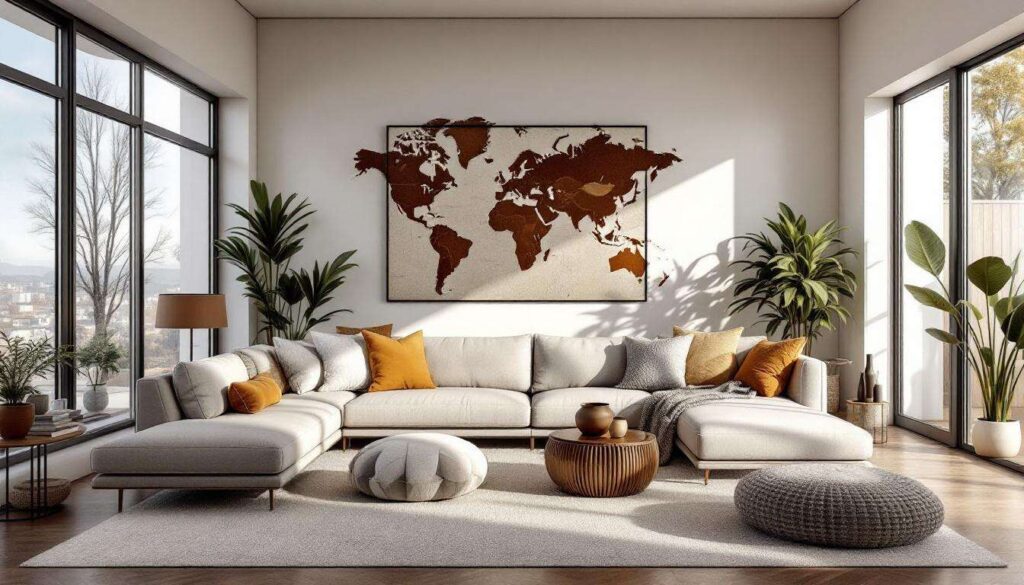
Interior design evolves at a rapid pace, with trends rising and falling as quickly as seasons change. What feels fresh and innovative today can appear dated tomorrow, as homeowners and designers alike seek new ways to express personality and create comfortable living spaces. Understanding which trends are on their way out helps make informed decisions about long-term investments in your home, ensuring spaces remain both stylish and timeless.
Black matte finishes
The saturation of dark surfaces
Black matte finishes have dominated kitchens, bathrooms, and fixtures for several years, appearing on everything from taps and cabinet handles to light switches and appliances. This aesthetic initially offered a sophisticated alternative to traditional chrome and brushed nickel, creating dramatic contrast in contemporary spaces. However, the trend has reached a point of oversaturation, with these dark surfaces appearing in nearly every newly renovated home.
The practical drawbacks of black matte finishes are becoming increasingly apparent to homeowners:
- fingerprints and water marks show prominently on dark surfaces
- maintenance requires constant cleaning to maintain appearance
- the finish can make smaller spaces feel darker and more confined
- scratches and wear patterns become more visible over time
Moving towards warmer metallics
Designers predict a shift towards warmer metallic tones that offer both elegance and practicality. Brass, bronze, and copper finishes are gaining traction, bringing a sense of warmth and timelessness to interiors. These materials age gracefully, developing character rather than simply showing wear, which aligns with the growing preference for authentic, lived-in spaces.
As homeowners grow weary of the high-maintenance nature of black matte surfaces, the appeal of more forgiving finishes becomes clear, setting the stage for broader shifts in design philosophy.
Modern farmhouse style
The decline of rustic charm
Modern farmhouse style has enjoyed remarkable popularity, characterised by shiplap walls, barn doors, and an abundance of distressed wood elements. This aesthetic promised a blend of rustic charm and contemporary comfort, yet its widespread adoption has led to a sense of uniformity across homes. The style has become so prevalent that it no longer feels distinctive or personal.
| Overused elements | Emerging alternatives |
|---|---|
| Shiplap accent walls | Textured plaster finishes |
| Sliding barn doors | Traditional panelled doors |
| Mason jar lighting | Artisan glass fixtures |
| Galvanised metal accents | Natural stone elements |
Seeking authentic character
The movement away from modern farmhouse reflects a desire for genuine architectural character rather than manufactured rusticity. Homeowners increasingly appreciate original features and historically appropriate details that reflect their home’s actual heritage, rather than applying a one-size-fits-all aesthetic regardless of context.
This evolution in taste connects directly to changing approaches in how we organise and display our possessions within these spaces.
Open kitchen shelving
The reality behind the aesthetic
Open shelving in kitchens promised an airy, accessible alternative to traditional cabinetry, showcasing beautiful dishware and creating a sense of openness. Social media platforms amplified this trend, with countless images of perfectly styled shelves displaying coordinated collections. However, the practical reality often falls short of the aspirational imagery.
The challenges of open shelving include:
- constant dust accumulation on dishes and glassware
- pressure to maintain perpetually tidy, aesthetically pleasing arrangements
- reduced storage capacity compared to enclosed cabinets
- exposure to cooking grease and splatter
- lack of concealed storage for everyday items
Returning to functional storage
Designers observe a return to enclosed cabinetry that balances aesthetics with functionality. Modern cabinet designs incorporate glass-fronted sections for display whilst providing ample concealed storage for the realities of daily life. This shift acknowledges that beautiful spaces must also be liveable and practical.
The preference for functional storage reflects broader questions about how we approach overall design philosophy in our homes.
Extreme minimalism
The limitations of stark simplicity
Extreme minimalism, characterised by sparse furnishings, empty surfaces, and a near-clinical absence of personal items, has been promoted as the path to clarity and calm. Whilst decluttering offers genuine benefits, the aesthetic has been taken to extremes that feel cold and unwelcoming. Homes stripped of personality and warmth often fail to provide the comfort people seek in their living spaces.
Embracing thoughtful curation
The emerging approach favours thoughtful curation over stark emptiness. This means selecting meaningful objects, displaying cherished collections, and creating spaces that reflect individual stories and experiences. The goal shifts from eliminating everything to choosing what truly matters and deserves space in your home.
This more personal approach extends to the materials and textures we choose to incorporate into our interiors.
Textured boucle fabric
Oversaturation of a once-unique texture
Boucle fabric experienced a remarkable resurgence, appearing on sofas, chairs, ottomans, and virtually every upholstered surface imaginable. Its distinctive looped texture initially offered visual interest and tactile appeal, providing a softer alternative to smooth velvet or leather. However, the fabric’s ubiquity has diminished its special appeal.
Practical concerns also emerge with widespread boucle use:
- the looped texture snags easily on jewellery, pet claws, and sharp objects
- cleaning proves challenging, with spills and stains difficult to remove
- the fabric can appear dated when a trend passes its peak
- durability concerns arise in high-traffic areas
Exploring diverse textile options
Designers predict a move towards varied textile choices that offer both durability and visual interest. Performance fabrics with rich textures, natural linens, and innovative weaves provide alternatives that suit different lifestyles whilst maintaining aesthetic appeal. The focus shifts to selecting fabrics based on practical needs and personal preference rather than following a singular trend.
This reconsideration of materials extends naturally to the colour palettes dominating recent years.
Neutral beige tones
The beige saturation point
Neutral beige tones have created a wave of nearly identical interiors, from greige walls to taupe furnishings and sand-coloured accessories. Whilst these colours offer a safe, seemingly timeless backdrop, their overwhelming prevalence has resulted in spaces that lack personality and distinction. The promise of neutrals creating a calm environment has given way to monotony.
Introducing warmth and character
The shift moves towards warmer, more varied colour palettes that incorporate natural tones with greater depth. Terracotta, warm ochres, deep greens, and rich browns bring connection to nature whilst providing visual interest. These colours create atmosphere and character without overwhelming spaces, offering a middle ground between stark neutrality and bold statement colours.
Layering different tones and introducing colour through natural materials like wood, stone, and textiles creates sophisticated spaces with genuine warmth. This approach allows for personal expression whilst maintaining the versatility that made neutrals appealing in the first place.
Design trends inevitably evolve, reflecting changing lifestyles, values, and aesthetic preferences. The movements away from black matte finishes, modern farmhouse uniformity, open shelving impracticality, extreme minimalism, oversaturated boucle, and monotonous beige tones all point towards a common theme: the desire for authentic, personal, and liveable spaces. Rather than chasing fleeting trends, the wisest approach involves selecting elements that resonate personally, offer practical functionality, and possess inherent quality that transcends temporary fashion. Creating a home that feels genuinely yours, with pieces chosen for meaning rather than momentary popularity, ensures spaces remain both comfortable and relevant regardless of shifting design winds.