

Interior design is entering a new era where emotional resonance takes precedence over visual perfection. Designers are championing furniture that speaks to our need for comfort, authenticity, and connection, moving away from the carefully curated aesthetics that have dominated recent years. This shift reflects a broader desire to create homes that nurture well-being rather than simply photograph well. The furniture trends emerging reveal a collective yearning for spaces that feel genuinely lived-in, where craftsmanship and tactile experiences matter more than fleeting trends.
Soft and curvy silhouettes
The angular, minimalist furniture that once defined contemporary interiors is giving way to sculptural forms with rounded edges and flowing lines. Sofas, armchairs, and even side tables are embracing curves that invite relaxation and create a sense of visual softness within a room. This transformation represents more than aesthetic preference; it signals a fundamental rethinking of how furniture should interact with our bodies and emotions.
The psychology behind curved design
Designers recognise that curved furniture naturally promotes a feeling of safety and comfort. Unlike sharp corners and rigid structures, rounded silhouettes create a welcoming atmosphere that encourages people to settle in and truly relax. These organic shapes soften the overall appearance of a space, making rooms feel more approachable and less formal. The popularity of kidney-shaped coffee tables, circular ottomans, and crescent-shaped sectionals demonstrates this shift towards gentler forms.
Sculptural statement pieces
Beyond comfort, curvy furniture serves as sculptural art within the home. A voluptuous armchair or a sinuous chaise longue becomes a focal point that adds personality and visual interest. These pieces work particularly well in minimalist settings, where their distinctive forms can be fully appreciated. The trend encompasses:
- Blob-shaped lounge chairs with exaggerated proportions
- Wave-like shelving units that add movement to walls
- Rounded dining tables that facilitate conversation
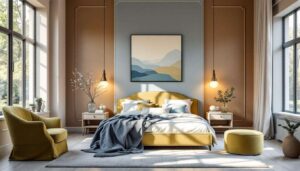
- Curved headboards that create a cocoon-like bedroom atmosphere
This embrace of softer silhouettes naturally complements another significant movement in furniture design that focuses on bringing pieces closer to the ground.
Low profiles
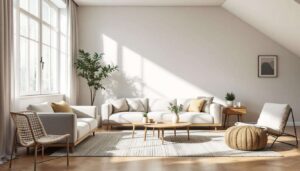
Furniture is sitting lower than ever, with platform beds, ground-hugging sofas, and squat coffee tables redefining spatial proportions. This trend towards reduced height creates an entirely different feeling within a room, making ceilings appear higher whilst simultaneously fostering a more grounded, intimate atmosphere. Low-profile furniture encourages a relaxed lifestyle that prioritises comfort over formality.
Creating visual spaciousness
By lowering furniture heights, designers achieve a sense of openness even in modest-sized rooms. The increased visual space between furniture tops and ceilings makes interiors feel airier and less cluttered. This approach works particularly well in urban flats where maximising the perception of space is essential. Low-slung seating also promotes a more casual, lounge-oriented lifestyle that aligns with contemporary living patterns.
Cultural influences and modern living
The low-profile trend draws inspiration from Japanese design principles, where floor-level living has long been standard. This aesthetic translates beautifully into modern Western homes, especially when combined with floor cushions, low benches, and platform-style furniture. The benefits include:
- Enhanced sight lines across open-plan spaces
- A more relaxed, informal atmosphere
- Better integration with underfloor heating systems
- Easier maintenance and cleaning beneath furniture
Whilst height decreases, the emphasis on quality construction and artisanal techniques is reaching new heights.
Craftsmanship over flat-pack furniture
The convenience of mass-produced, self-assembly furniture is losing its appeal as consumers increasingly value pieces that showcase genuine skill and durability. This movement towards craftsmanship represents a rejection of disposable culture and an embrace of furniture as long-term investment. Handcrafted pieces carry stories, imperfections, and character that factory-made alternatives simply cannot replicate.
The value of artisanal techniques
Traditional joinery methods, hand-finishing, and visible construction details are becoming selling points rather than hidden elements. Mortise-and-tenon joints, dovetailing, and hand-carved embellishments demonstrate the maker’s expertise whilst ensuring structural integrity. These techniques produce furniture that improves with age, developing a patina that adds to its appeal. The shift towards craftsmanship also supports local artisans and sustainable production methods.
Fluted and reeded wood details
One particularly popular expression of craftsmanship appears in fluted and reeded wood detailing. These vertical grooves add texture and visual interest to otherwise simple furniture forms, creating play with light and shadow. Cabinet fronts, headboards, and table legs featuring these details bring sophistication without overwhelming a space. The technique works across various wood species:
| Wood type | Visual effect | Best applications |
|---|---|---|
| Oak | Bold, pronounced grain | Sideboards, dining tables |
| Walnut | Rich, warm tones | Bedroom furniture, desks |
| Ash | Light, subtle texture | Kitchen cabinets, shelving |
| Maple | Smooth, refined appearance | Contemporary pieces, accents |
The appreciation for craftsmanship extends beyond visual appeal to encompass how furniture feels to the touch.
Sensorial and tactile materials
Furniture selection is increasingly driven by how materials feel rather than merely how they look. Designers are prioritising fabrics, finishes, and surfaces that invite physical interaction, creating multisensory experiences within the home. This tactile approach acknowledges that we engage with furniture through touch as much as sight, making material choice crucial to overall satisfaction.
Texture-rich upholstery
Velvet, bouclé, and textured linens dominate upholstery choices, offering depth and warmth that smooth fabrics cannot match. These materials catch light differently throughout the day, creating visual interest whilst providing pleasant tactile experiences. Bouclé, with its distinctive looped surface, has become particularly prevalent on sofas and accent chairs, adding a cosy, approachable quality to seating.
Natural and sustainable materials
The sensorial trend extends to structural materials, with designers favouring:
- Untreated wood with visible grain patterns
- Stone surfaces that feel cool and substantial
- Rattan and cane that add organic texture
- Leather that develops character through use
- Cork and bamboo for sustainable warmth
These materials connect inhabitants to nature whilst providing varied tactile experiences throughout the home. The emphasis on natural materials naturally influences the colour palettes being embraced.
The new neutral shades
Whilst neutrals remain foundational, the definition of neutral is expanding beyond greys and beiges. Soft greens, muted blues, and earthy terracottas are joining the neutral family, bringing warmth and personality without overwhelming spaces. This evolution reflects a desire for colour that soothes rather than stimulates, creating backgrounds that support well-being.
Coloured cabinets and colour drenching
Kitchen and storage cabinetry is embracing sophisticated hues that add character to functional spaces. Sage green, dusty blue, and warm grey cabinets create cohesive looks when paired with complementary wall colours. The colour drenching technique, where walls, trim, and furniture share the same deep tone, creates immersive environments that feel intentional and calming. This approach works particularly well with:
- Moody charcoal tones in dining rooms
- Warm terracotta shades in living spaces
- Soft sage throughout kitchens
- Deep navy in home offices
These expanded neutral palettes provide the perfect backdrop for furniture designed to encourage gathering and conversation.
Bold seating for socialising
Furniture arrangements are prioritising face-to-face interaction over screen-focused layouts. Circular seating configurations, conversation pits, and statement chairs encourage people to engage with one another rather than defaulting to solitary activities. This trend acknowledges that homes should facilitate connection, with furniture acting as a catalyst for meaningful interaction.
Statement chairs and functional dividers
Individual seating pieces with distinctive personalities allow for flexible arrangements that adapt to different social situations. Bold accent chairs in rich colours or interesting shapes can be moved to create intimate conversation areas or opened up for larger gatherings. In open-plan homes, furniture increasingly serves dual purposes as both seating and space definition, clearly delineating zones without requiring permanent walls.
Modular and adaptable configurations
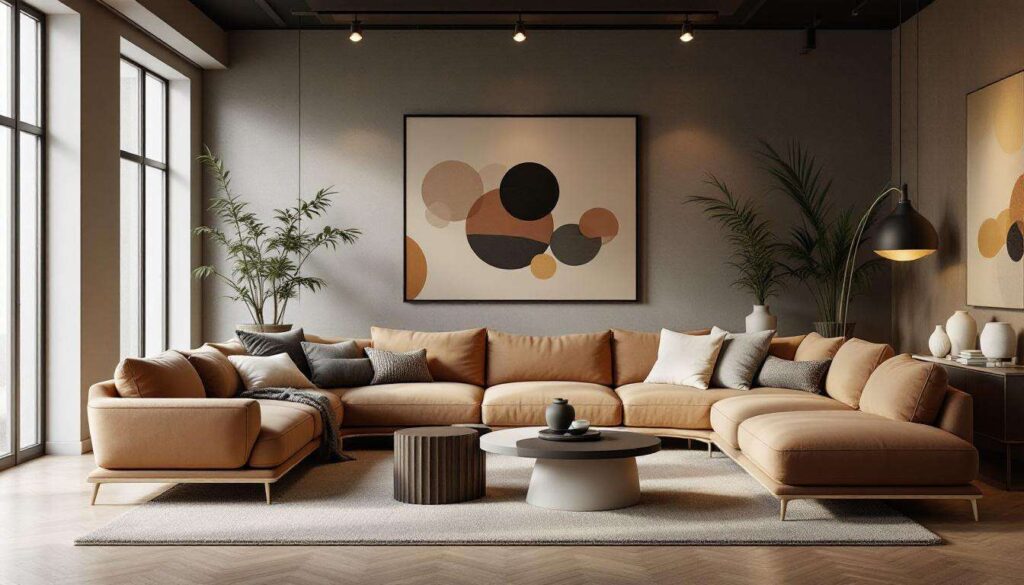
Sectional sofas with reconfigurable components and modular seating systems allow homeowners to adjust layouts based on needs. This flexibility supports various social scenarios whilst maintaining visual coherence. The most successful pieces combine:
- Generous proportions that accommodate multiple people comfortably
- Durable fabrics that withstand regular use
- Neutral bases with interchangeable accent cushions
- Low backs that maintain sight lines across rooms
The furniture landscape is undergoing a profound transformation that prioritises emotional connection over visual perfection. Curved silhouettes bring softness and comfort, whilst low-profile designs create spaciousness and informality. Craftsmanship is valued over convenience, with artisanal details like fluting adding character and longevity. Tactile materials engage multiple senses, making homes feel more welcoming and grounded. Expanded neutral palettes introduce warmth through colour whilst maintaining versatility, and social seating arrangements facilitate meaningful interaction. Together, these trends signal a move towards interiors that truly support how people live, feel, and connect within their homes.