

The modern bathroom is undergoing a profound transformation, evolving from a purely utilitarian space into a sanctuary of personal well-being. This shift reflects a growing desire to incorporate moments of genuine relaxation into our daily routines, even within the constraints of busy schedules. At the heart of this evolution lies an emerging design trend that draws inspiration from Victorian elegance and contemporary spa culture: the conservatory-style shower. This innovative approach to bathroom design redefines the traditional ten-minute shower, transforming it into a luxurious self-care ritual that nourishes both body and mind.
Understanding the conservatory-style shower trend
Origins and architectural inspiration
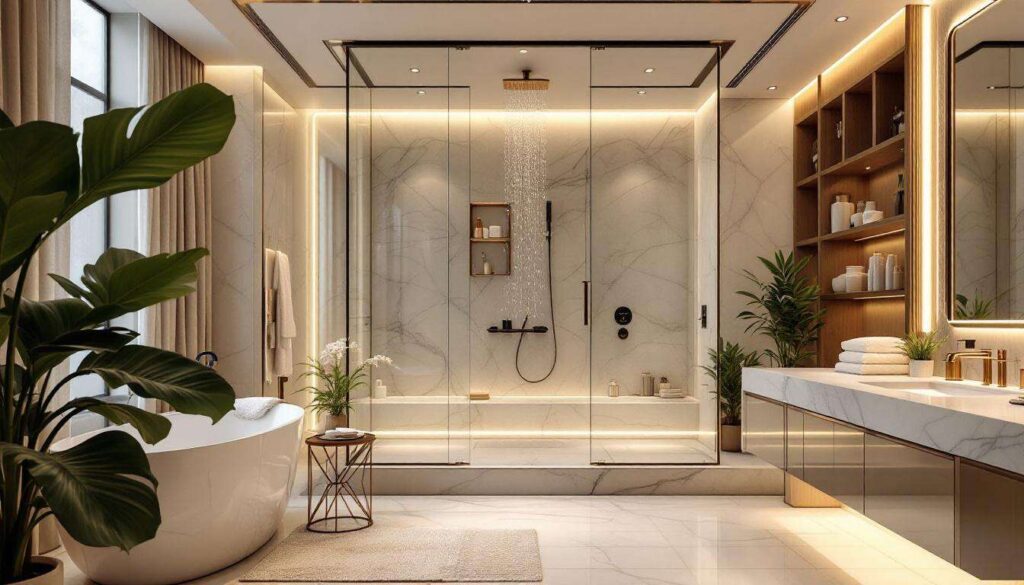
The conservatory-style shower takes its name and aesthetic cues from the elegant glass structures of the Victorian era, where indoor greenhouses served as tranquil spaces for contemplation and connection with nature. This bathroom design trend reimagines those architectural principles, creating shower enclosures that feature expansive glass walls and distinctive metal-framed doors. The resemblance to traditional conservatories is unmistakable, with structural elements that echo the wrought iron frameworks of mid-19th-century bathing spaces.
Defining characteristics and design elements
Several key features distinguish conservatory-style showers from conventional bathroom installations:
- Generous proportions that create a sense of spaciousness and freedom
- Floor-to-ceiling glass panels that maximise natural light penetration
- Metal framework in finishes such as brushed brass, matte black, or polished chrome
- Architectural details that emphasise vertical lines and structural elegance
- Integration with surrounding bathroom elements to create visual harmony
These showers often incorporate rainfall showerheads as standard fixtures, whilst more elaborate installations may include built-in benches, integrated bathtubs, or multiple water delivery systems. The overall effect is one of architectural grandeur combined with functional luxury.
This distinctive design approach naturally raises questions about what makes these installations so appealing to contemporary homeowners.
Why is this trend appealing ?
The rise of the ‘spathroom’ concept
The growing popularity of conservatory-style showers is intrinsically linked to the broader ‘spathroom’ movement, which seeks to replicate the indulgent atmosphere of high-end spa facilities within private homes. This trend reflects a fundamental shift in how we perceive and utilise bathroom spaces. Rather than viewing them as merely functional areas for basic hygiene, homeowners increasingly regard these rooms as personal wellness sanctuaries where daily stress can be alleviated and mental clarity restored.
Psychological benefits of spatial design
The appeal of conservatory-style showers extends beyond mere aesthetics. The psychological impact of showering within a spacious, light-filled enclosure cannot be overstated. Traditional shower cubicles often feel confining and claustrophobic, particularly in smaller bathrooms. In contrast, the generous proportions and transparent boundaries of conservatory-style installations create an entirely different sensory experience. The abundance of natural light and the visual connection to the surrounding bathroom space foster feelings of openness and tranquillity.
Investment in personal well-being
This design trend also represents a tangible commitment to prioritising self-care within the home environment. By investing in a bathroom installation that elevates the daily shower from a rushed necessity to a meaningful ritual, homeowners are making a conscious statement about the value they place on personal well-being. This aligns with broader cultural movements towards mindfulness, intentional living, and the creation of domestic spaces that actively support mental and physical health.
Understanding the appeal of this trend naturally leads to consideration of the tangible benefits it offers for daily well-being.
Benefits of a luxury shower for well-being
Physical health advantages
Luxury shower installations offer numerous physical health benefits that extend beyond basic cleanliness. The incorporation of rainfall showerheads provides gentle, even water distribution that can help relieve muscle tension and improve circulation. The spacious design allows for unrestricted movement, making it easier to perform stretching exercises or simply adopt comfortable postures that facilitate relaxation. For individuals with mobility concerns, the generous dimensions and optional seating elements provide enhanced accessibility and safety.
Mental and emotional restoration
The psychological benefits of a well-designed shower space are equally significant. The act of showering within a beautiful, thoughtfully designed environment can serve as a form of active meditation, providing a structured opportunity to disconnect from external demands and reconnect with oneself. The sensory experience—the sound of water, the warmth enveloping the body, the play of light through glass—engages the mind in a way that promotes stress reduction and mental clarity.
Establishing healthy routines
When a shower becomes something to anticipate rather than simply endure, it naturally encourages more consistent self-care practices. A luxury shower installation can serve as the anchor for a broader morning or evening routine that includes:
- Mindful breathing exercises performed in the steam
- Gentle body brushing or exfoliation rituals
- Application of nourishing skincare products
- Moments of quiet reflection before or after the day’s demands
These cumulative benefits demonstrate the practical value of investing in superior bathroom design, which naturally raises the question of how to implement such transformations effectively.
How to transform your bathroom into a care space
Assessing your existing space
The first step in creating a conservatory-style shower involves a thorough evaluation of your current bathroom layout and structural capabilities. Consider the following factors:
| Consideration | Key questions |
|---|---|
| Available space | Can the room accommodate a larger shower enclosure ? |
| Natural light | Are there windows that can be maximised or enhanced ? |
| Plumbing infrastructure | Will existing systems support upgraded fixtures ? |
| Structural support | Can the floor bear the weight of glass and metal frameworks ? |
Selecting appropriate materials and finishes
The success of a conservatory-style installation depends heavily on material selection. Opt for high-quality tempered glass that provides both safety and clarity. The metal framework should complement your bathroom’s existing fixtures and overall aesthetic. Popular finishes include matte black for contemporary spaces, brushed brass for warmer, more traditional settings, and polished chrome for classic elegance.
Working with design professionals
Given the complexity and investment involved in such a transformation, engaging qualified professionals is essential. An experienced bathroom designer can help navigate technical challenges, ensure compliance with building regulations, and create a cohesive design that integrates seamlessly with your home’s architecture. They can also identify opportunities to maximise natural light, optimise spatial flow, and incorporate complementary design elements that enhance the overall atmosphere.
Once the structural transformation is complete, attention naturally turns to the specific elements that will make the space truly functional as a self-care sanctuary.
Key elements for a successful self-care shower
Water delivery systems
The centrepiece of any luxury shower is its water delivery system. Rainfall showerheads remain the most popular choice, offering a gentle, enveloping cascade that mimics natural rain. However, comprehensive installations often incorporate multiple water sources:
- Overhead rainfall fixtures for full-body coverage
- Handheld wands for targeted washing and flexibility
- Body jets positioned at various heights for massage effects
- Steam generators for therapeutic humidity
Seating and accessibility features
Integrated seating transforms a shower from a standing-only space into a versatile relaxation zone. Built-in benches constructed from teak, stone, or tiled surfaces provide comfortable perches for extended showering sessions, leg shaving, or simply sitting beneath warm water whilst practising mindfulness. These elements also significantly enhance accessibility for individuals with mobility limitations or those recovering from injury.
Lighting and ambience control
Thoughtful lighting design is crucial for creating the appropriate atmosphere. Layered lighting schemes allow for adjustment based on time of day and desired mood. Consider incorporating dimmable overhead fixtures, accent lighting to highlight architectural features, and even chromotherapy options that use coloured light for therapeutic purposes. Natural light should be maximised where possible, whilst maintaining appropriate privacy through frosted glass or strategic positioning.
Storage and organisation
A self-care ritual requires easy access to various products and tools. Integrated niches, floating shelves, or discreet built-in storage solutions keep essentials organised without cluttering the visual space. These storage elements should be positioned at convenient heights and protected from direct water spray to maintain both functionality and aesthetics.
These individual elements combine to create an environment that fundamentally alters how we approach our daily routines.
The impact of modern design on daily routine
Redefining morning rituals
A conservatory-style shower can transform the morning routine from a rushed necessity into a intentional beginning to the day. The spacious, beautiful environment encourages taking a few extra minutes to fully wake up, stretch beneath warm water, and mentally prepare for the day ahead. This shift from hurried efficiency to mindful preparation can significantly impact overall mood and productivity throughout the day.
Creating evening decompression
Similarly, the evening shower becomes an effective tool for transitioning from the demands of the day to restful evening hours. The ritual of entering a beautiful, dedicated wellness space signals to both body and mind that it is time to release accumulated tension and prepare for restorative sleep. This psychological boundary between day and night can improve sleep quality and overall well-being.
Long-term lifestyle benefits
Over time, the consistent practice of treating daily showers as self-care rituals rather than mere hygiene tasks can foster broader positive lifestyle changes. Individuals often report increased awareness of their physical and emotional needs, greater willingness to prioritise self-care in other areas, and an enhanced sense of personal worth and value. The bathroom becomes not just a functional space but a daily reminder that personal well-being deserves attention, investment, and dedicated time.
The conservatory-style shower trend represents more than a passing aesthetic fashion. It embodies a fundamental reimagining of bathroom spaces as wellness sanctuaries that support both physical health and emotional balance. By combining Victorian architectural elegance with modern spa sensibilities, this design approach transforms the ordinary ten-minute shower into a meaningful self-care ritual. The generous proportions, abundant natural light, and thoughtful integration of luxury fixtures create an environment that encourages slowing down, being present, and prioritising personal well-being. For those willing to invest in superior bathroom design, the rewards extend far beyond aesthetics, touching every aspect of daily life and contributing to a more balanced, intentional approach to modern living.