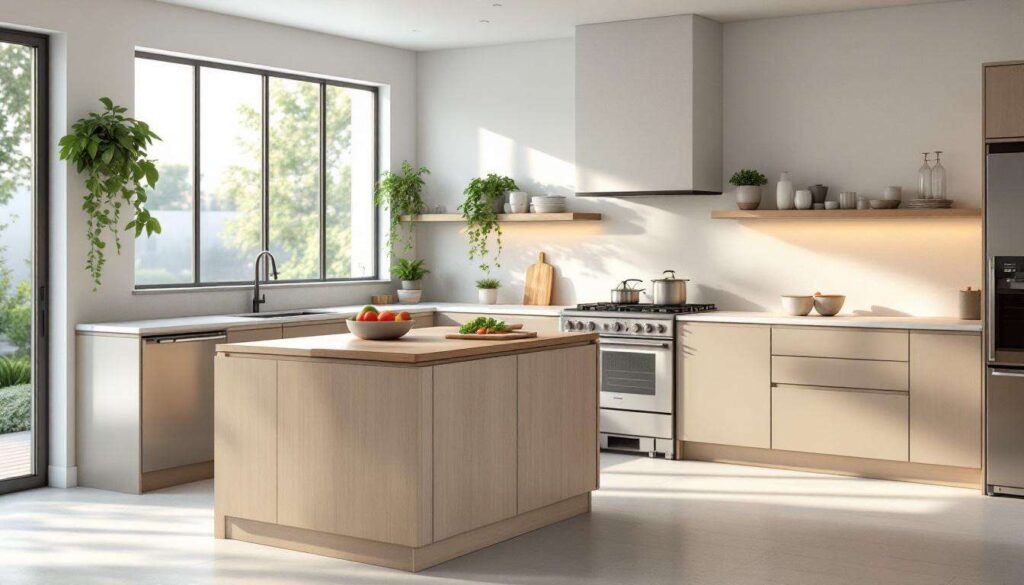
Kitchen design is experiencing a remarkable shift as homeowners increasingly seek to blend functionality with character. The modern kitchen is no longer simply a utilitarian space for meal preparation; it has evolved into the heart of the home, where families gather and memories are made. This transformation has sparked renewed interest in features that were once considered outdated, now reimagined to suit contemporary lifestyles whilst retaining their timeless appeal.
Resurgence of Kitchen Furniture Cutouts
The Return of Display Opportunities
Kitchen furniture cutouts are making a significant comeback as homeowners rediscover their practical and aesthetic value. These architectural features, which allow for the display of cherished items whilst maintaining an organised appearance, offer a refreshing alternative to the closed-off cabinetry that has dominated kitchen design in recent years. The cutout trend encompasses various forms, from traditional plate racks to open shelving units that showcase crockery and glassware.
The appeal of furniture cutouts lies in their ability to create visual interest whilst serving a functional purpose. By incorporating these elements, kitchens gain depth and personality, breaking up the monotony of solid cabinet doors. This approach also encourages homeowners to curate their kitchen displays thoughtfully, selecting pieces that reflect their personal style and adding a lived-in quality to the space.
Practical Benefits of Open Storage
Beyond aesthetics, furniture cutouts offer several practical advantages:
- Easy access to frequently used items such as plates, bowls and glasses
- Improved ventilation for items that benefit from air circulation
- Reduced visual weight compared to solid cabinetry, making kitchens feel more spacious
- Opportunity to display decorative pieces alongside functional kitchenware
- Cost-effective alternative to full cabinetry installations
This renewed interest in open storage solutions reflects a broader movement towards kitchens that feel less sterile and more welcoming. As this trend gains momentum, it naturally connects with other traditional elements experiencing a revival.
The Revival of Traditional Kitchen Features
Farmhouse Sinks and Their Enduring Appeal
The farmhouse sink continues to assert its position as a cornerstone of traditional kitchen design. These deep, wide basins, typically installed with an exposed front panel, combine exceptional functionality with undeniable visual appeal. Their generous proportions accommodate large pots and baking trays with ease, whilst their prominent placement creates a focal point in the kitchen.
| Feature | Traditional Sink | Farmhouse Sink |
|---|---|---|
| Depth | 18-20 cm | 25-30 cm |
| Installation Style | Undermount/Drop-in | Apron-front |
| Visual Impact | Subtle | Statement piece |
Delft Tiles and Pattern Revival
Delft tiles, with their distinctive blue and white patterns, are experiencing a resurgence as homeowners seek to inject personality into their kitchens. These hand-painted ceramic tiles, traditionally associated with Dutch craftsmanship, bring artisanal quality and visual interest to backsplashes and feature walls. The trend extends beyond traditional Delft patterns to include various heritage-inspired designs that celebrate craftsmanship and cultural history.
Standalone Furniture Elements
The integration of standalone furniture pieces marks a departure from the built-in aesthetic that has long dominated kitchen design. Freestanding dressers, butcher’s blocks and islands create a more flexible and personalised environment. This approach allows homeowners to:
- Rearrange their kitchen layout as needs change
- Mix and match furniture styles for a curated appearance
- Incorporate antique or vintage pieces with sentimental value
- Create distinct zones within open-plan spaces
These traditional elements set the stage for understanding the broader colour and material choices shaping contemporary kitchens.
Colour and Material Trends for 2026
Natural Materials Take Centre Stage
The emphasis on natural materials represents a fundamental shift away from synthetic surfaces and manufactured finishes. Rich woods, genuine stone and tactile finishes are becoming increasingly prevalent, bringing warmth and authenticity to kitchen spaces. Oak, walnut and reclaimed timber feature prominently, valued for their durability and the unique character they develop over time.
Stone surfaces, particularly marble, granite and soapstone, are chosen not only for their practical properties but also for their natural variations and patterns. These materials age gracefully, developing a patina that tells the story of the kitchen’s use and history.
Moving Beyond Cold Greys
After a decade of cool grey domination, kitchen colour palettes are shifting towards warmer, more inviting tones. This transformation reflects a desire to create spaces that feel nurturing and comfortable rather than clinical and austere. The movement towards warmth encompasses both cabinetry colours and complementary elements throughout the kitchen.
| Previous Trend | Current Direction |
|---|---|
| Cool greys | Warm neutrals, greiges |
| Stark white | Cream, ivory, off-white |
| Chrome finishes | Brass, bronze, aged metals |
| Glossy surfaces | Matte, textured finishes |
This evolution in material and colour preferences naturally leads to a broader appreciation for retro-inspired design elements.
The Appeal of Retro Design in Kitchens
Rounded Edges and Curved Forms
The softness of curves is transforming kitchen design, replacing the sharp angles and rigid lines that have characterised modern kitchens. Rounded edges on kitchen islands, curved cabinet doors and arched architectural elements create a more welcoming and organic atmosphere. This design approach reduces visual harshness whilst adding sculptural interest to the space.
Arches, in particular, have emerged as a popular architectural feature, framing doorways, windows and even serving as decorative elements within cabinetry. These curved forms evoke a sense of timelessness whilst feeling distinctly contemporary in their application.
Vintage-Inspired Appliances
Retro-styled appliances offer the perfect marriage of modern technology and nostalgic aesthetics. Manufacturers now produce refrigerators, cookers and small appliances that replicate the appearance of mid-century designs whilst incorporating contemporary functionality and energy efficiency. These pieces serve as statement items that anchor the kitchen’s visual identity.
However, not all kitchens embrace the retro aesthetic, with many homeowners preferring sleek, modern materials that offer different advantages.
The Sophistication of Stainless Steel
Professional-Grade Performance
Stainless steel maintains its position as a premium choice for those seeking a professional kitchen aesthetic. Its durability, hygienic properties and heat resistance make it particularly suitable for serious home cooks. The material’s reflective surface adds light to the kitchen whilst creating a sense of sleek sophistication.
Balancing Industrial and Warm Elements
The challenge with stainless steel lies in preventing the kitchen from feeling overly clinical. Successful designs balance stainless steel appliances and surfaces with:
- Warm wood cabinetry or open shelving
- Textured backsplashes in natural materials
- Soft lighting that counteracts harsh reflections
- Carefully selected decorative elements that add warmth
When thoughtfully integrated, stainless steel contributes to a kitchen that feels both professional and inviting, complementing the warmer tones that define current trends.
Neutral and Warm Tones at the Heart of Trends
The Dominance of Transitional Style
Industry professionals anticipate that 72% of kitchen designs will embrace the transitional style, which expertly balances traditional and contemporary elements. This approach avoids extremes, creating spaces that feel neither overly formal nor excessively casual. The transitional aesthetic relies heavily on neutral and warm colour palettes that provide a versatile foundation for personal expression.
Creating Warmth Through Colour Selection
Warm neutrals have become the cornerstone of contemporary kitchen design, offering timeless appeal whilst allowing flexibility in décor choices. Popular options include:
- Greige (grey-beige hybrids) for cabinetry and walls
- Warm whites with creamy or yellow undertones
- Soft taupes and mushroom tones
- Earthy terracottas and clay colours as accent shades
- Deep, rich browns in wood tones and painted finishes
Sustainability and Adaptability
The preference for neutral tones aligns with growing interest in sustainable design practices. Timeless colour choices reduce the likelihood of frequent renovations, whilst eco-friendly materials and modular designs allow kitchens to adapt to changing household needs. This forward-thinking approach ensures that kitchens remain functional and aesthetically pleasing for years to come.
Kitchen design is evolving to embrace a harmonious blend of traditional charm and modern innovation. The resurgence of furniture cutouts, farmhouse sinks and heritage tiles demonstrates a clear shift towards spaces with character and personality. Natural materials and warm colour palettes have replaced the cold, minimalist aesthetic of previous years, whilst rounded forms and retro-inspired elements add softness and nostalgia. The transitional style, favoured by the majority of industry professionals, successfully balances these traditional features with contemporary functionality. Whether incorporating the professional appeal of stainless steel or the welcoming warmth of natural wood, today’s kitchens prioritise quality craftsmanship and sustainable materials. This thoughtful approach transforms the kitchen into a gathering place that reflects individual authenticity whilst serving as the true heart of the home.