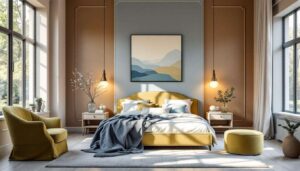
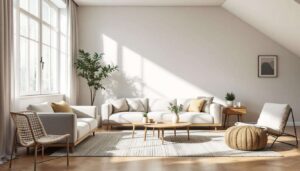
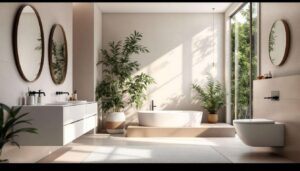
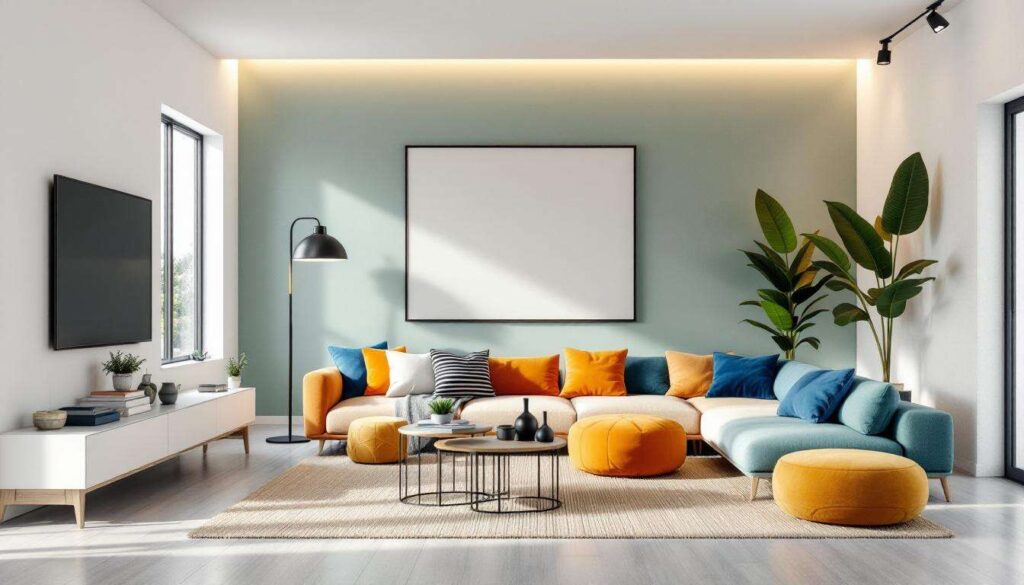
The design landscape is undergoing a remarkable transformation, with fresh approaches to colour, texture, and spatial arrangement taking centre stage. From the resurgence of vintage pieces to the bold use of sculptural elements, contemporary interiors are embracing a more personal and expressive aesthetic. These emerging directions reflect a shift towards creating spaces that feel authentic, layered, and deeply connected to individual stories and experiences.
Influence of natural materials
Organic textures in contemporary spaces
The integration of natural materials continues to dominate interior design, with an emphasis on tactile surfaces that engage the senses. Wood, stone, clay, and woven fibres are being incorporated in innovative ways, creating environments that feel grounded and warm. These materials bring an inherent character that synthetic alternatives cannot replicate, offering visual depth and textural complexity.
- Raw timber finishes with visible grain patterns
- Limestone and travertine surfaces in bathrooms and kitchens
- Handwoven rattan and cane furniture pieces
- Cork wall treatments for acoustic and aesthetic benefits
- Terrazzo flooring featuring natural stone aggregates
Sustainability through material choices
Beyond aesthetics, the preference for natural materials reflects growing environmental consciousness. Designers are selecting resources that offer longevity and minimal environmental impact, moving away from disposable trends. Reclaimed wood, responsibly sourced stone, and locally produced ceramics are becoming standard specifications in residential projects. This approach not only reduces carbon footprints but also introduces unique imperfections and patinas that enhance character over time.
| Material | Primary Application | Key Benefit |
|---|---|---|
| Oak timber | Flooring and cabinetry | Durability and warmth |
| Limestone | Countertops and walls | Natural variation |
| Linen | Upholstery and curtains | Breathable texture |
| Terracotta | Tiles and decorative objects | Earthy tones |
This commitment to organic materials naturally extends to how colour is being reimagined in residential environments.
Evolution of colour palettes
Warm neutrals replacing cool tones
The colour spectrum is shifting towards warmer neutrals that create inviting atmospheres. Shades of warm white, cream, and beige are replacing the stark greys that dominated previous years. These hues provide a gentle backdrop that enhances natural light whilst offering versatility for layering textures and accent colours. Glossy espresso browns are particularly prominent, adding depth and sophistication to cabinetry, architectural details, and furniture pieces.
Bold accents and saturated hues
Alongside neutral foundations, vibrant accent colours are making confident statements. Rich terracotta, deep olive green, and burnt orange are being introduced through soft furnishings, artwork, and decorative objects. These saturated tones bring energy and personality without overwhelming spaces, particularly when balanced against softer backgrounds.
- Rust and terracotta for warmth and earthiness
- Forest green in velvet upholstery and wall treatments
- Ochre and mustard in textiles and ceramics
- Deep navy as an alternative to black for grounding
- Dusty rose for subtle feminine touches
These colour choices work in harmony with the growing desire for spaces that reflect individual tastes and lifestyles.
Trend towards personalised spaces
Curated collections over catalogue styling
Interior spaces are moving away from sterile, showroom aesthetics towards environments that tell personal stories. Collected objects from travels, family heirlooms, and handmade pieces are being displayed prominently, creating layers of meaning and visual interest. Colourful plates, vintage bottles, and unique ceramics are arranged on open shelving and walls, transforming functional storage into artistic displays.
Living spaces that evolve organically
The concept of the perfectly styled room is being replaced by spaces that accommodate daily life and personal habits. Oversized corner sofas encourage relaxation and informal gatherings, whilst bookshelves overflow with well-loved volumes rather than colour-coordinated props. This approach embraces a degree of controlled chaos that reflects genuine habitation rather than staged perfection.
- Display of personal photography in creative arrangements
- Mixing inherited furniture with contemporary pieces
- Incorporating hobby materials and collections
- Flexible furniture arrangements that adapt to activities
- Layered textiles reflecting individual comfort preferences
This emphasis on individuality extends to the physical forms that furniture and decorative objects take.
Integration of sculptural forms
Furniture as functional art
Contemporary interiors are embracing sculptural furniture pieces that blur the boundaries between utility and art. Chairs with exaggerated curves, tables with organic bases, and lighting fixtures with dramatic silhouettes are transforming rooms into gallery-like spaces. These pieces serve as focal points that anchor design schemes whilst providing practical function.
Architectural elements with visual impact
Beyond individual furniture items, architectural features are being designed with sculptural intent. Curved archways, rounded corners, and undulating walls soften the rigid geometry of traditional construction. Staircases become kinetic sculptures, whilst fireplaces are reimagined as three-dimensional art installations. This approach creates visual drama and spatial flow that engages occupants from multiple perspectives.
| Element | Sculptural Approach | Visual Effect |
|---|---|---|
| Seating | Asymmetric forms | Dynamic presence |
| Tables | Organic bases | Natural movement |
| Walls | Curved surfaces | Softened boundaries |
| Storage | Faceted fronts | Geometric interest |
These contemporary forms exist alongside a renewed appreciation for historical design references.
Reinvention of classic furniture
Vintage pieces in modern contexts
Vintage furniture continues to provide inspiration and substance in contemporary interiors. Mid-century credenzas, Victorian armchairs, and Art Deco mirrors are being integrated into spaces that balance old and new. Rather than creating period rooms, designers are mixing eras to create eclectic environments with depth and character. The patina and craftsmanship of older pieces offer a counterpoint to mass-produced contemporary items.
Reinterpreting traditional forms
Alongside authentic vintage pieces, furniture makers are reinterpreting classic designs with contemporary materials and proportions. Traditional Windsor chairs appear in unexpected colours, whilst Chesterfield sofas are reimagined in linen rather than leather. This approach honours design heritage whilst adapting forms to current lifestyles and aesthetic preferences.
- Cane-backed dining chairs in modern dining spaces
- Refurbished dressers with updated hardware
- Traditional silhouettes in bold contemporary fabrics
- Antique mirrors paired with minimalist furnishings
- Restored wooden trunks as coffee tables
The careful selection of furniture works in concert with thoughtful lighting design to create atmosphere and functionality.
Innovation in lighting
Layered illumination strategies
Lighting design has evolved beyond single overhead fixtures to embrace layered approaches that combine ambient, task, and accent lighting. Multiple light sources at varying heights create depth and flexibility, allowing spaces to adapt to different activities and moods. Dimmable systems provide control over intensity, whilst warm colour temperatures enhance the cosy atmospheres that natural materials and warm colours establish.
Statement fixtures as design elements
Decorative lighting has become a primary design consideration rather than an afterthought. Oversized pendants, sculptural floor lamps, and artistic wall sconces serve as focal points that define spatial character. Materials such as blown glass, brass, and woven fibres are crafted into forms that cast interesting shadows and create visual interest even when unlit.
- Clustered pendant arrangements over dining tables
- Arched floor lamps defining reading corners
- Backlit shelving highlighting collections
- Linear LED strips integrated into architectural details
- Vintage-inspired bulbs with visible filaments
| Lighting Type | Function | Design Impact |
|---|---|---|
| Ambient | Overall illumination | Sets mood |
| Task | Focused light for activities | Enhances functionality |
| Accent | Highlights features | Creates drama |
| Decorative | Visual interest | Defines style |
The convergence of these diverse trends creates interiors that balance aesthetic ambition with personal expression. Natural materials provide warmth and authenticity, whilst evolved colour palettes establish inviting foundations. Personalised collections and sculptural forms inject character and individuality, complemented by thoughtfully reinvented classic pieces. Innovative lighting ties these elements together, creating spaces that feel both contemporary and timeless. These approaches collectively represent a shift towards interiors that prioritise human experience, celebrating imperfection and personal narrative over manufactured perfection.