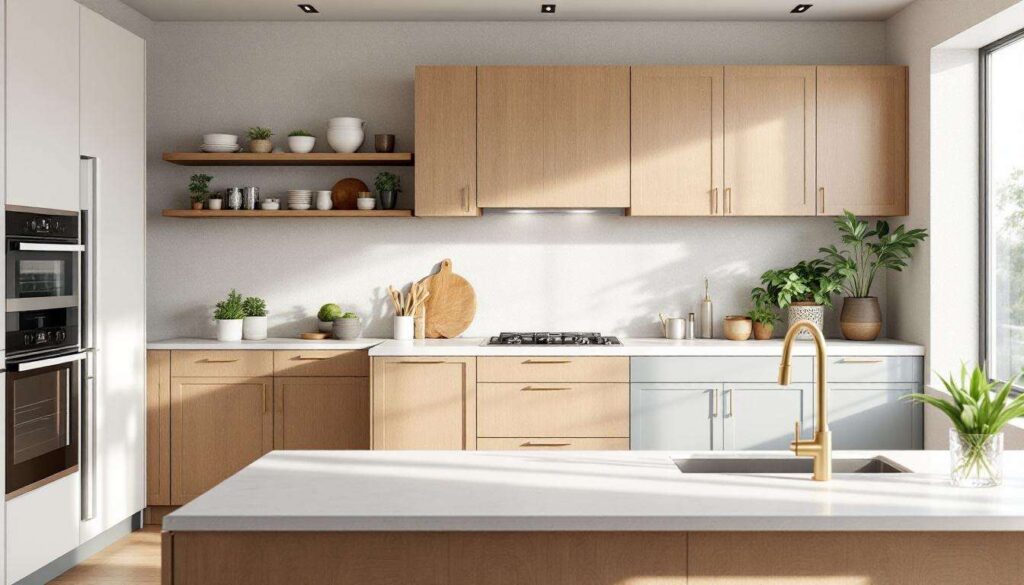
The kitchen has long been the heart of the home, but its design is undergoing a remarkable transformation. For decades, sleek built-in cabinetry dominated kitchen aesthetics, offering seamless integration and a polished, uniform appearance. However, a fresh perspective is emerging that challenges this conventional approach. Homeowners are increasingly seeking spaces that reflect their personal style whilst offering greater flexibility and character. This shift marks a departure from the rigid, fitted kitchen model towards a more dynamic and individualised approach to kitchen design.
The reasons behind the end of the built-in kitchen
The limitations of permanent installations
Built-in kitchens have presented several challenges that are now driving homeowners towards alternative solutions. The permanent nature of fitted cabinetry creates significant obstacles when renovating or relocating. Once installed, these units become fixtures that cannot be easily moved or reconfigured, limiting adaptability as lifestyle needs evolve.
- High replacement costs when styles become outdated
- Difficulty in adapting layouts to changing household requirements
- Limited options for personalisation once installed
- Challenges in repairs requiring specialist contractors
The desire for individuality in home design
Contemporary homeowners are rejecting cookie-cutter solutions in favour of spaces that tell their unique stories. The built-in kitchen aesthetic, whilst efficient, often results in a homogeneous appearance that lacks personality. This uniformity no longer aligns with current desires for homes that reflect individual tastes, experiences, and lifestyles. The movement towards bespoke and characterful interiors has naturally extended to kitchen spaces, where functionality must now coexist with distinctive style.
Economic considerations driving change
The financial implications of built-in kitchens are becoming increasingly apparent. Complete kitchen renovations involving fitted units represent substantial investments that depreciate rapidly as design trends shift. In contrast, modular and freestanding options offer better value retention and the ability to update individual pieces rather than entire systems.
| Aspect | Built-In Kitchens | Freestanding Options |
|---|---|---|
| Initial Investment | £15,000-£40,000 | £8,000-£20,000 |
| Renovation Flexibility | Low | High |
| Resale Value | Depreciates quickly | Retains value better |
These practical and aesthetic considerations are paving the way for a fundamental reimagining of kitchen spaces.
The rise of freestanding kitchen cabinets
Flexibility as a cornerstone of modern living
Freestanding cabinets offer unparalleled adaptability that resonates with contemporary lifestyles. Unlike their built-in counterparts, these units can be repositioned, reconfigured, or taken to new homes entirely. This mobility addresses the reality that modern households frequently change, whether through home moves, family expansion, or evolving functional requirements. The ability to adjust kitchen layouts without major construction work represents a significant advantage.
The furniture approach to kitchen design
The shift towards freestanding cabinetry reflects a broader trend of treating kitchens as curated furniture collections rather than fixed installations. This approach allows homeowners to mix pieces from different sources, eras, and styles, creating eclectic yet cohesive spaces. Vintage dressers can stand alongside contemporary storage units, whilst antique cupboards add character that mass-produced fitted kitchens cannot replicate.
- Freedom to combine new and vintage pieces
- Opportunity to invest in quality statement pieces gradually
- Ability to showcase individual items as design features
- Easier integration of heirloom or inherited furniture
Practical benefits for renters and frequent movers
The rental market and increasingly mobile workforce have contributed significantly to the popularity of freestanding kitchen solutions. Tenants can now create personalised kitchens without permanent alterations to properties, whilst those who relocate frequently benefit from taking their kitchen investments with them. This democratisation of kitchen design extends beautiful, functional spaces to those previously limited by rental agreements or temporary living situations.
Beyond mere practicality, these freestanding solutions are redefining what kitchens can look like.
The aesthetic advantages of non-built-in cabinets
Creating visual interest through varied heights and depths
Freestanding cabinets introduce dimensional variety that built-in kitchens inherently lack. Different heights, depths, and proportions create visual rhythm and architectural interest within the space. This layered approach adds depth and character, transforming kitchens from sterile work zones into engaging living spaces with personality and warmth.
Showcasing architectural features
Non-built-in configurations allow original architectural elements to remain visible, celebrating rather than concealing the bones of a property. Skirting boards, cornicing, and period details that would typically be hidden behind fitted units become integral parts of the kitchen aesthetic. This approach is particularly valuable in historic properties where preserving character is paramount.
The beauty of imperfection and patina
Freestanding pieces, particularly those with age or handcrafted origins, bring textural richness and authenticity that manufactured uniformity cannot match. The subtle variations in finish, the gentle wear of use, and the unique characteristics of individual pieces contribute to spaces that feel lived-in and genuine rather than showroom-perfect.
- Natural wood grain variations adding organic beauty
- Hand-painted finishes with subtle irregularities
- Vintage hardware and period-appropriate details
- Distressed or aged surfaces telling stories
These aesthetic qualities align perfectly with growing environmental consciousness in design choices.
The influence of sustainable materials in the kitchen revival
Reclaimed and repurposed furniture reducing waste
The freestanding kitchen movement dovetails with sustainability imperatives by encouraging the use of existing furniture rather than manufacturing new fitted units. Reclaimed pieces, restored vintage cabinets, and repurposed furniture significantly reduce the environmental impact associated with kitchen renovations. This approach diverts quality materials from landfill whilst reducing demand for newly manufactured products.
Longevity through quality craftsmanship
Investment in well-crafted freestanding pieces promotes durability over disposability. Solid wood construction, traditional joinery techniques, and repairable designs ensure these cabinets can serve multiple generations rather than requiring replacement every decade. This shift from fast furniture to lasting quality represents a fundamental change in consumer values and purchasing decisions.
| Material Choice | Environmental Impact | Expected Lifespan |
|---|---|---|
| Reclaimed solid wood | Very low | 50+ years |
| FSC-certified new wood | Low to moderate | 30-50 years |
| Laminate built-ins | High | 10-15 years |
Natural finishes and non-toxic treatments
The move towards freestanding cabinetry has coincided with increased awareness of indoor air quality and chemical exposure. Natural oils, waxes, and plant-based finishes are replacing synthetic lacquers and formaldehyde-containing products. These healthier alternatives particularly appeal to households prioritising wellness and environmental responsibility.
Understanding these principles enables homeowners to implement them effectively in their own spaces.
How to rethink your space with modular cabinets
Assessing your functional requirements
Successful modular kitchen design begins with honest evaluation of actual needs rather than assumptions about what kitchens should contain. Consider cooking habits, storage requirements, and workflow patterns to determine which cabinet types and configurations will genuinely serve daily life.
- Inventory existing kitchenware and storage needs
- Identify primary cooking and preparation activities
- Determine essential versus aspirational features
- Consider future flexibility requirements
Creating zones with freestanding pieces
Modular cabinets excel at defining functional zones without requiring walls or permanent partitions. A substantial dresser can anchor a crockery and serving zone, whilst a freestanding larder unit creates dedicated food storage. Island units on castors offer mobile preparation surfaces that adapt to different tasks and occasions.
Mixing open and closed storage strategically
The flexibility of freestanding furniture allows thoughtful balance between display and concealment. Open shelving on dressers showcases beautiful items whilst closed cupboards hide everyday clutter. This considered approach creates visual breathing space whilst maintaining practical functionality.
Colour choices will further define how these flexible spaces feel and function.
Colour trends to adopt for a modern kitchen in 2026
The enduring appeal of natural wood tones
Warm, natural wood finishes continue their ascendancy, offering timeless appeal that transcends fleeting trends. Oak, walnut, and elm bring organic warmth whilst their grain patterns provide inherent visual interest. These materials age gracefully, developing richer patinas that enhance rather than diminish their beauty over time.
Sophisticated neutrals creating calm foundations
Soft, complex neutrals are replacing stark whites and greys as preferred base colours. Greige, warm putty, and subtle taupe tones create serene backdrops that complement rather than compete with architectural features and personal collections. These nuanced shades offer sophistication without the clinical feel of pure white or the coldness of cool greys.
- Warm stone and clay-inspired neutrals
- Soft off-whites with creamy undertones
- Gentle greiges balancing warmth and coolness
- Natural linen and canvas shades
Accent colours adding personality
Freestanding cabinets provide perfect opportunities for introducing characterful accent colours without overwhelming commitment. A single painted dresser in deep forest green or rich terracotta can anchor a scheme whilst remaining easily changeable. This approach allows colour experimentation without the permanence and expense of repainting entire fitted kitchens.
The kitchen transformation underway represents more than aesthetic preference. It reflects fundamental shifts in how we value flexibility, sustainability, and personal expression within our homes. Freestanding and modular cabinets offer practical advantages whilst creating spaces with genuine character and warmth. As we move forward, the rigid uniformity of built-in kitchens gives way to curated, adaptable environments that can evolve alongside the lives lived within them.