



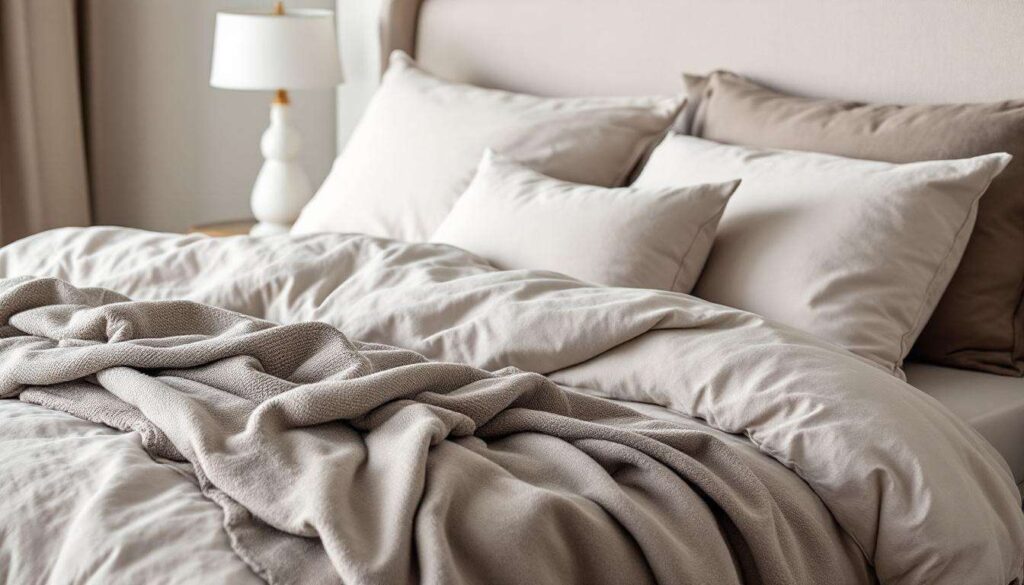
The bedroom has long been a sanctuary, a place where comfort and style intersect to create the perfect retreat from daily life. For decades, the gold standard for luxurious bedding was the crisp, pristine hotel sheet: tightly woven, brilliantly white, and pressed to perfection. Yet a quiet revolution is underway in bedroom design, one that prioritises warmth, texture, and a lived-in elegance over the clinical perfection of traditional hotel linens. Washed cotton bedding has emerged as the frontrunner in this shift, offering a softer, more inviting alternative that transforms sleeping spaces into cocooning havens. This trend reflects broader changes in how we approach home design, moving away from formality towards environments that genuinely nurture relaxation and wellbeing.
A new cocooning bedding style
The philosophy behind the trend
The movement towards cocooning bedding represents more than a simple aesthetic preference. It embodies a fundamental shift in how people conceptualise their private spaces, prioritising comfort and authenticity over sterile perfection. This approach embraces imperfection as a design feature rather than a flaw, celebrating the natural creases and soft drape of washed fabrics. The philosophy draws inspiration from relaxed, layered interiors that feel collected over time rather than purchased in a single shopping trip.
Designers have observed that homeowners increasingly seek bedrooms that function as genuine retreats, spaces where they can disconnect from external pressures and embrace tranquillity. The cocooning style achieves this through:
- Soft, touchable textures that invite physical comfort
- Muted, natural colour palettes that promote calm
- Layered textiles that add visual depth and warmth
- A relaxed aesthetic that feels effortlessly elegant
Visual characteristics of the cocooning look
The visual language of this bedding trend differs markedly from traditional hotel aesthetics. Where hotel sheets present crisp lines and smooth surfaces, washed cotton bedding offers a softer, more organic appearance. The fabric naturally wrinkles in ways that suggest comfort rather than carelessness, creating an inviting, lived-in quality that feels both sophisticated and approachable. Colour choices tend towards earthy neutrals, soft whites, and gentle pastels that complement rather than dominate bedroom spaces.
This aesthetic connects seamlessly to the materials that make it possible, each chosen for specific qualities that enhance the cocooning experience.
Key materials of this trend
Washed cotton explained
Washed cotton undergoes a special treatment process that distinguishes it from standard cotton bedding. The fabric is pre-washed during manufacturing, which softens the fibres and creates the characteristic relaxed texture. This process removes the stiffness found in new cotton sheets whilst adding a subtle, naturally rumpled appearance that becomes more pronounced and appealing with each wash. The result is bedding that feels broken-in from the first night, eliminating the adjustment period typically required with new linens.
| Material characteristic | Washed cotton | Standard cotton |
|---|---|---|
| Initial softness | Immediately soft | Requires breaking in |
| Appearance | Relaxed, textured | Crisp, smooth |
| Maintenance | Low, wrinkles accepted | Higher, ironing often needed |
| Durability | Excellent, improves with age | Very good |
Complementary fabrics in the trend
Whilst washed cotton forms the foundation of this bedding movement, several complementary materials enhance the cocooning aesthetic. Linen shares many qualities with washed cotton, offering similar relaxed elegance and breathability. Brushed flannel provides additional warmth for colder months, whilst lightweight cotton gauze adds summery airiness. These fabrics work together in layered combinations, allowing homeowners to adjust their bedding according to seasonal needs whilst maintaining a cohesive visual style.
Understanding these materials naturally leads to examining why they outperform traditional hotel bedding in practical terms.
Advantages over hotel sheets
Comfort and tactile experience
The tactile superiority of washed cotton bedding represents its most immediately noticeable advantage. Hotel sheets, typically made from high thread count cotton with a percale or sateen weave, feel smooth and cool against skin. Whilst pleasant, this sensation can feel somewhat impersonal and clinical. Washed cotton, by contrast, offers a warmer, more embracing texture that feels genuinely comforting. The fabric’s slightly napped surface creates a gentle friction that many find more soothing than the slippery smoothness of hotel linens.
Testing has demonstrated that washed cotton maintains its soft quality through repeated washing, actually improving in texture over time. Hotel-style sheets, particularly those with very high thread counts, can sometimes become stiffer with washing, requiring careful laundering to maintain their original feel.
Practical maintenance benefits
From a practical standpoint, washed cotton bedding offers significant advantages:
- No ironing required, as wrinkles enhance rather than detract from appearance
- Simpler washing instructions without special temperature requirements
- Greater durability through the pre-washing process
- Resistance to pilling and wear in high-friction areas
- Faster drying times due to the fabric’s structure
Aesthetic flexibility
Washed cotton bedding integrates seamlessly into diverse interior design styles, from modern minimalism to rustic farmhouse aesthetics. The relaxed texture prevents bedrooms from feeling overly formal or staged, creating spaces that appear genuinely inhabited rather than show-ready. This versatility proves particularly valuable for homeowners who wish to update their bedroom’s appearance without undertaking complete redesigns.
With these advantages established, the question becomes how to select the right bedding for individual needs and preferences.
Tips for choosing your bedding set
Assessing quality indicators
When selecting washed cotton bedding, several quality markers help identify superior products. Thread count, whilst important, matters less than with traditional cotton sheets; for washed cotton, counts between 200 and 400 typically provide the ideal balance of softness and durability. The weight of the fabric offers a better quality indicator, with medium-weight options (around 150-180 GSM) providing year-round comfort. Examine the weave closely: a balanced plain weave ensures even wear and consistent texture throughout the fabric.
Colour and pattern selection
The cocooning aesthetic favours certain colour approaches that maximise the calming effect of washed cotton bedding. Consider these guidelines:
- Neutral tones (warm whites, beiges, soft greys) create versatile foundations
- Earthy hues (terracotta, sage, dusty blue) add personality without overwhelming
- Tonal layering using different shades of the same colour family adds depth
- Subtle patterns, if any, should enhance rather than dominate the relaxed aesthetic
Sizing and fit considerations
Proper sizing ensures that washed cotton bedding drapes attractively and functions effectively. Measure mattress dimensions carefully, accounting for depth, as modern mattresses often exceed traditional sizing. For the cocooning look, slightly oversized duvet covers and generous pillowcase dimensions contribute to the layered, luxurious appearance. Consider purchasing an extra set to facilitate easier rotation and maintenance.
Having established selection criteria, examining specific product categories reveals how to build a complete bedding ensemble.
The must-haves of the moment
Essential bedding pieces
A complete washed cotton bedding collection includes several fundamental components that work together to create the cocooning effect. The foundation begins with a fitted sheet in washed cotton, providing the base layer of comfort. A coordinating flat sheet, though increasingly optional in modern bedding approaches, adds a traditional element that some sleepers prefer. The duvet cover represents the visual centrepiece, establishing the bedroom’s colour palette and overall aesthetic direction.
Layering accessories
The cocooning trend emphasises thoughtful layering that adds both visual interest and functional comfort:
| Accessory | Purpose | Styling tip |
|---|---|---|
| Quilted coverlet | Mid-weight warmth | Fold at bed foot for texture |
| Linen throw | Visual interest | Drape casually across bed |
| Multiple pillows | Comfort and aesthetics | Mix sizes and textures |
| Cushions | Decorative accent | Limit to 2-3 for restraint |
Seasonal variations
Adapting the washed cotton foundation to seasonal changes maintains year-round comfort. Summer configurations might feature lighter-weight washed cotton with minimal layering, whilst winter setups incorporate brushed cotton or flannel underlayers beneath the washed cotton duvet cover. This approach preserves the aesthetic whilst adjusting thermal properties to match climate needs.
Beyond selecting the right products, maximising their benefits requires understanding how bedding choices influence sleep quality.
Optimising comfort and sleep
Temperature regulation properties
Washed cotton excels at temperature regulation, a critical factor in sleep quality. The fabric’s natural breathability allows air circulation whilst the slightly brushed surface traps a thin layer of warmth close to the body. This combination prevents the overheating common with synthetic materials whilst avoiding the excessive coolness sometimes experienced with high thread count percale sheets. The moisture-wicking properties of cotton help manage perspiration, maintaining a comfortable microclimate throughout the night.
Creating the ideal sleep environment
Maximising the benefits of washed cotton bedding involves several environmental considerations:
- Maintain bedroom temperatures between 16-19°C for optimal sleep
- Wash bedding every 7-10 days to preserve freshness and hygiene
- Rotate between two sets to extend fabric lifespan
- Avoid fabric softeners, which can coat fibres and reduce breathability
- Line dry when possible to maintain the characteristic soft texture
Long-term care for sustained comfort
Proper maintenance ensures that washed cotton bedding continues delivering comfort for years. Wash in cool to warm water using gentle, fragrance-free detergents that won’t irritate sensitive skin or damage fibres. The natural softening that occurs with repeated washing actually enhances the cocooning quality, meaning the bedding genuinely improves with age rather than deteriorating. Store clean bedding in breathable cotton bags rather than plastic to prevent moisture accumulation and maintain freshness between uses.
The shift towards washed cotton bedding represents more than a passing trend; it reflects a fundamental reimagining of bedroom spaces as genuine sanctuaries prioritising comfort and authenticity. This movement away from the clinical perfection of hotel sheets towards softer, more inviting textiles offers tangible benefits in both aesthetic appeal and practical comfort. The relaxed elegance of washed cotton, combined with its superior tactile qualities and minimal maintenance requirements, provides a compelling alternative for those seeking to transform their bedrooms into truly restorative environments. As homeowners continue prioritising wellbeing and personal comfort in their living spaces, the cocooning bedding trend seems poised to establish itself as a lasting fixture in thoughtful interior design.