


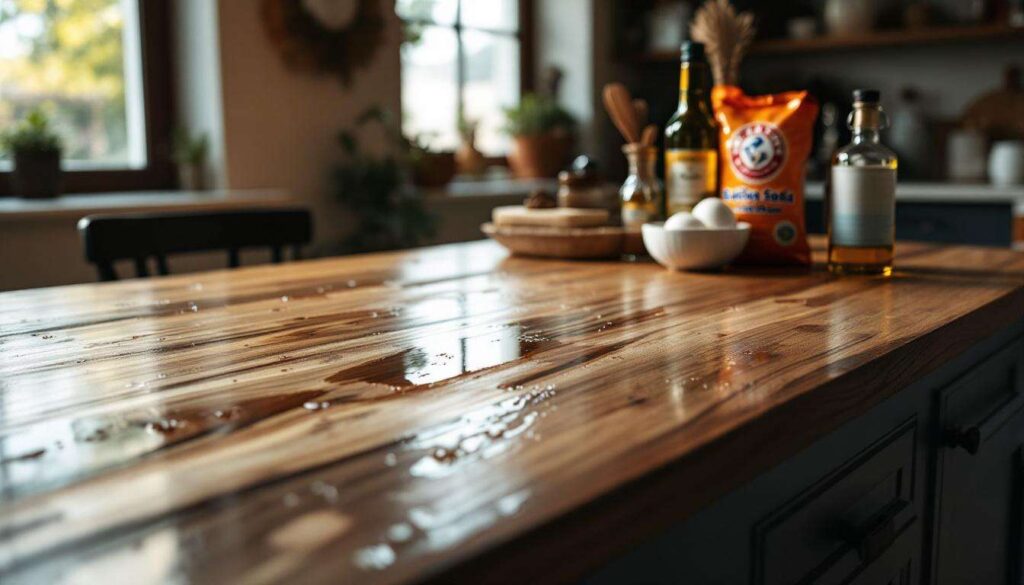
White rings and cloudy marks on wooden furniture are a common household frustration. These unsightly blemishes often appear after a glass has been left without a coaster or a spill has gone unnoticed. The good news is that restoring your cherished wooden pieces doesn’t require expensive commercial products or professional intervention. Your kitchen cupboards likely contain everything needed to tackle these stubborn marks effectively. From vinegar to nuts, simple pantry staples can work wonders on water-damaged wood surfaces.
Understanding the causes of water stains on wood
How moisture penetrates wood finishes
Water stains on wooden furniture occur when moisture penetrates the protective finish and becomes trapped beneath the surface. This happens most frequently when cold glasses create condensation or hot beverages sit directly on the wood. The moisture doesn’t damage the wood itself initially but rather affects the finish layer, creating a cloudy or whitish appearance that disrupts the natural beauty of the grain.
The severity of water stains depends on several factors:
- The type of finish applied to the wood
- The duration of moisture exposure
- The temperature of the liquid
- The age and condition of the existing finish
Different types of water damage
White or cloudy stains indicate that moisture has only penetrated the finish layer, making them relatively easy to remove. These marks appear as hazy rings or patches and respond well to home remedies. Dark stains, however, signal that water has reached the wood itself, requiring more intensive treatment or professional restoration.
Understanding this distinction helps determine which cleaning method will prove most effective. Once you’ve identified the nature of your water stain, you can select the appropriate pantry solution to restore your furniture’s appearance.
Using white vinegar to remove stains
The science behind vinegar’s cleaning properties
White vinegar contains acetic acid, which breaks down the mineral deposits and moisture trapped in wood finishes. When combined with olive oil, it creates a powerful yet gentle cleaning solution that both removes stains and conditions the wood. The vinegar addresses the stain whilst the oil helps restore the wood’s natural lustre.
Step-by-step application method
To create this effective remedy, mix equal parts white vinegar and olive oil in a small bowl. Dip a soft, lint-free cloth into the mixture, ensuring it’s damp but not dripping. Apply the solution to the stained area, always rubbing in the direction of the wood grain. This prevents scratching and ensures the mixture penetrates evenly.
Allow the mixture to sit on the stain for approximately one hour. During this time, the vinegar works to dissolve the moisture whilst the oil begins conditioning the finish. After waiting, buff the area with a clean, dry cloth using circular motions. For stubborn stains, you may need to repeat this process several times.
| Ingredient | Amount | Purpose |
|---|---|---|
| White vinegar | 50ml | Dissolves moisture and minerals |
| Olive oil | 50ml | Conditions and restores shine |
This vinegar-based approach works particularly well on light to moderate water stains and provides a foundation for exploring other pantry remedies when additional cleaning power is needed.
The cleaning power of baking soda
Creating an effective paste
Baking soda acts as a mild abrasive that gently buffs away water stains without damaging the wood finish. To harness its cleaning potential, create a paste by mixing one part baking soda with one part water or non-gel toothpaste. The consistency should resemble thick cream, allowing for controlled application.
Application technique for optimal results
Apply a small amount of the baking soda paste directly onto the water stain using your finger or a soft cloth. Gently rub the paste into the affected area using light circular motions. The key is to apply minimal pressure, allowing the baking soda’s natural abrasiveness to do the work without scratching the finish.
Continue rubbing for two to three minutes, then wipe away the paste with a damp cloth. Dry the area thoroughly with a clean towel. If the stain persists, repeat the process, but avoid excessive scrubbing which could damage the finish.
- Mix baking soda with water or toothpaste until paste forms
- Apply to stain with gentle pressure
- Rub in circular motions for 2-3 minutes
- Wipe clean with damp cloth
- Dry thoroughly
For oiled wood furniture, combining baking soda with non-gel toothpaste enhances the cleaning effect whilst providing additional protection. After successfully removing stains with baking soda, some furniture owners turn to even more unconventional pantry items for particularly stubborn marks.
Rubbing with a nut for quick results
Why nuts work on wood surfaces
Walnuts, pecans and Brazil nuts contain natural oils that can fill in minor scratches and diminish the appearance of water stains. When rubbed directly onto wood, these oils seep into the finish, essentially camouflaging the discolouration whilst nourishing the surface. This method works best on darker woods where the nut’s natural colour blends seamlessly.
Proper application technique
Select a fresh nut and crack it open, using the meat rather than the shell. Rub the nut directly onto the water stain using firm, consistent pressure. Continue rubbing for several minutes, allowing the oils to transfer onto the wood surface. You should notice the stain beginning to fade as the nut oils penetrate the finish.
After rubbing, let the oils sit for approximately fifteen minutes. Then buff the area with a soft cloth to remove excess oil and blend the treated area with the surrounding wood. This technique provides immediate results for light stains and adds a protective layer to prevent future damage.
Whilst nuts offer a quick solution for minor blemishes, combining multiple pantry ingredients can tackle more persistent water damage.
Olive oil and salt: a formidable duo
How this combination works
When olive oil and salt join forces, they create a gentle abrasive polish that removes water stains whilst conditioning the wood. The salt provides mild scrubbing action, whilst the olive oil moisturises the finish and helps blend the treated area with the surrounding surface. This method proves particularly effective on furniture with older finishes that have lost some of their protective qualities.
Mixing and application instructions
Combine one teaspoon of salt with enough olive oil to create a thick paste. The ratio should allow the salt to remain suspended in the oil rather than settling to the bottom. Apply this mixture to the water stain using a soft cloth, rubbing gently in the direction of the wood grain.
The application process requires patience:
- Apply paste to stained area
- Rub gently along the grain for 3-5 minutes
- Allow mixture to sit for 10-15 minutes
- Wipe away excess with clean cloth
- Buff to restore shine
Variations for different wood types
For lighter woods, reduce the amount of salt to prevent visible scratching. Darker woods can tolerate slightly more abrasive action. Always test this method on an inconspicuous area first to ensure it doesn’t alter the finish’s appearance. Some furniture owners add a drop of lemon juice to enhance the cleaning power, though this should be used sparingly to avoid over-drying the wood.
After successfully removing water stains using these pantry remedies, protecting your furniture from future damage becomes the priority.
Precautions and tips to protect your wooden furniture
Preventive measures for daily use
Prevention remains the most effective strategy for maintaining beautiful wooden furniture. Always use coasters under glasses and mugs, regardless of whether they contain hot or cold beverages. Place protective pads under vases, planters and decorative items that might harbour moisture. These simple habits eliminate most water stain risks before they occur.
Consider applying a fresh coat of furniture wax or polish every few months to strengthen the protective barrier on your wood surfaces. This maintenance step helps repel moisture and makes cleaning easier when spills do occur.
Testing remedies safely
Before applying any cleaning method to visible areas, always test on a hidden spot such as the underside of a table or the back of a chair. Wait twenty-four hours to observe any adverse reactions. Different wood types and finishes respond differently to various treatments, and this precaution prevents accidental damage to prominent surfaces.
| Wood Type | Recommended Method | Caution |
|---|---|---|
| Oak | Vinegar and oil | Avoid excessive moisture |
| Mahogany | Nut rubbing | Test colour match first |
| Pine | Baking soda paste | Use gentle pressure |
When to seek professional help
Some water stains prove too deep or extensive for home remedies. If you notice dark black stains, warping or a musty odour, the damage has likely penetrated beyond the finish into the wood itself. Professional furniture restorers possess specialised tools and techniques to address severe water damage without compromising the piece’s integrity or value.
Antique or particularly valuable furniture should also receive professional attention to preserve both aesthetic and monetary worth. Attempting aggressive home treatments on irreplaceable pieces risks causing irreversible damage.
Restoring water-damaged wooden furniture using common pantry items offers an accessible and cost-effective solution for most household situations. White vinegar combined with olive oil provides a gentle yet effective treatment for light stains, whilst baking soda paste tackles more stubborn marks through mild abrasion. Unconventional methods like rubbing with nuts or applying olive oil and salt mixtures demonstrate the versatility of kitchen staples in furniture care. The key to success lies in understanding your wood type, testing methods cautiously and acting quickly when spills occur. By implementing preventive measures such as using coasters and maintaining regular polishing schedules, you can minimise future water damage and keep your wooden furniture looking pristine for years to come.