

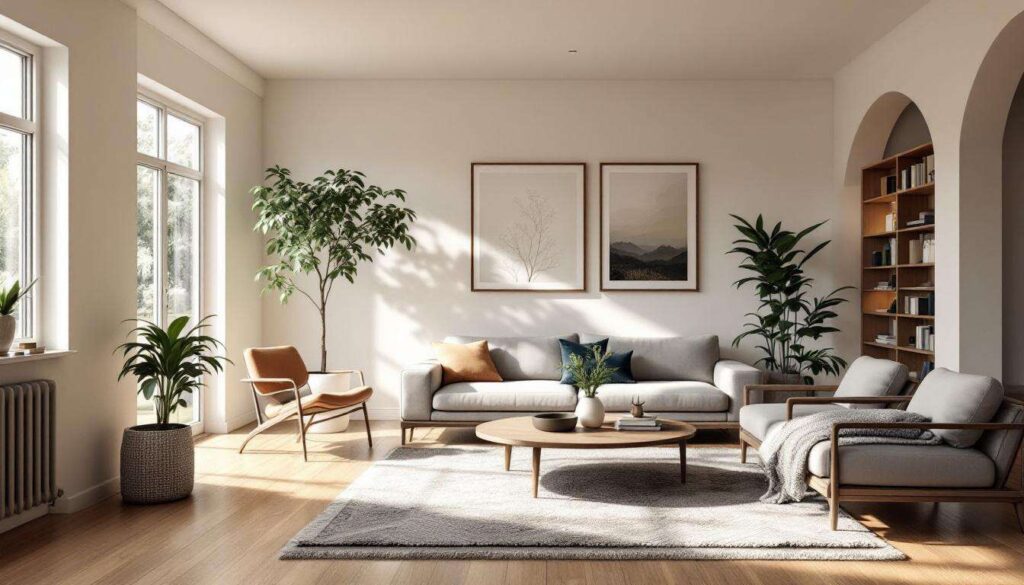
The way furniture is positioned in a living room can transform an ordinary space into a welcoming haven where family and friends naturally gather. Interior designers consistently emphasise that thoughtful layout choices make the difference between a room that feels cold and one that radiates warmth. From seating arrangements that foster conversation to colour palettes that soothe the senses, these expert-approved strategies create environments where people instinctively feel at ease.
Face-to-face layout to encourage interaction
Arranging seating for conversation
Designers advocate positioning sofas and chairs to face one another rather than directing all furniture towards the television. This conversational layout naturally encourages guests to engage with each other, creating a more social atmosphere. The ideal arrangement places seating pieces at comfortable distances, typically between 2.4 and 3 metres apart, allowing for easy dialogue without shouting across the room.
Creating intimate zones
Within larger living rooms, establishing smaller conversation areas helps break up the space into more manageable zones. Consider these approaches:
- Position two armchairs angled towards a sofa to form a U-shape
- Use a coffee table as a central anchor point for the seating group
- Ensure each seat has access to a side table for beverages
- Maintain clear sightlines between all seating positions
This deliberate arrangement shifts the focus from passive entertainment to active engagement, making guests feel valued and included. Beyond conversation areas, the physical environment itself can contribute significantly to the inviting quality of a space.
Create a natural space with plants and flowers
Incorporating greenery strategically
Living plants introduce vitality and freshness into any room, softening hard architectural lines and adding organic texture. Designers recommend selecting plants that suit the room’s light conditions and maintenance requirements. Large floor plants like fiddle-leaf figs or monstera deliciosa make dramatic statements in corners, whilst smaller specimens work beautifully on shelving or side tables.
Seasonal floral arrangements
Fresh flowers provide an immediate sense of care and attention to detail. Rotating seasonal blooms keeps the space feeling current and thoughtfully maintained:
- Spring: tulips, daffodils, and cherry blossoms
- Summer: peonies, roses, and hydrangeas
- Autumn: dahlias, chrysanthemums, and dried grasses
- Winter: amaryllis, evergreen branches, and hellebores
The natural elements create a sensory experience that extends beyond visual appeal, often contributing subtle fragrances that enhance the welcoming atmosphere. Visual interest continues to build when natural elements are complemented by carefully chosen decorative pieces.
Enhance aesthetics with artwork
Selecting meaningful pieces
Artwork serves as a conversation starter and reflects the personality of the space. Rather than treating walls as afterthoughts, designers suggest curating pieces that resonate emotionally with the inhabitants. The scale matters tremendously: artwork that is too small appears insignificant, whilst appropriately sized pieces command attention without overwhelming.
Hanging techniques for maximum impact
Proper placement elevates the entire room. The general rule positions artwork so the centre sits at eye level, approximately 145-150 centimetres from the floor. For gallery walls, designers recommend:
- Planning the arrangement on the floor before hanging
- Maintaining consistent spacing between frames (5-8 centimetres)
- Mixing frame styles whilst keeping a cohesive colour palette
- Anchoring the arrangement around a central focal piece
Thoughtfully displayed art adds layers of visual interest that make a room feel curated and intentional. The shapes within the room itself also play a crucial role in establishing comfort.
Choose furniture with soft curves
The psychology of rounded forms
Furniture featuring curved lines and rounded edges creates a more approachable atmosphere than sharp-cornered pieces. Psychologically, humans respond more positively to organic shapes, which feel safer and more nurturing. A curved sofa or round coffee table softens the geometry of rectangular rooms, introducing visual flow.
Practical benefits of curved furniture
Beyond aesthetics, rounded furniture offers functional advantages:
| Furniture type | Curved option benefit |
|---|---|
| Coffee tables | Easier navigation, reduced injury risk |
| Sofas | Encourages conversation, accommodates more guests |
| Armchairs | Enhanced comfort, softer visual profile |
| Side tables | Versatile placement, gentle appearance |
These gentler silhouettes contribute to a relaxed environment where guests feel physically and emotionally comfortable. The positioning of these pieces within the room proves equally important as their shape.
Optimise space with floating furniture
Moving away from walls
One of the most transformative layout decisions involves pulling furniture away from walls. This counterintuitive approach actually makes rooms feel more spacious by creating defined pathways and purposeful zones. Floating furniture establishes clear circulation routes, preventing the cramped feeling that occurs when guests must navigate around pushed-together pieces.
Creating breathing room
Designers recommend leaving approximately 60-90 centimetres between furniture and walls where possible. This technique offers several advantages:
- Defines distinct functional areas within open-plan spaces
- Allows for easier cleaning and maintenance
- Creates visual interest from multiple angles
- Improves traffic flow throughout the room
- Prevents the “furniture showroom” appearance
The breathing space around furniture pieces makes each item feel intentional rather than merely pushed aside. This spatial awareness extends naturally into considerations about colour selection.
Balance colours for a relaxing ambience
Establishing a cohesive palette
Colour profoundly influences mood, making palette selection crucial for creating inviting spaces. Designers typically recommend beginning with a neutral foundation of whites, beiges, greys, or soft earth tones, then layering in accent colours through accessories and textiles. This approach provides flexibility whilst maintaining visual calm.
The 60-30-10 rule
Professional designers often employ this proportion guideline for colour distribution:
| Percentage | Application | Examples |
|---|---|---|
| 60% | Dominant colour | Walls, large furniture pieces |
| 30% | Secondary colour | Curtains, accent chairs, rugs |
| 10% | Accent colour | Cushions, artwork, decorative objects |
Warm versus cool tones
Understanding colour temperature helps create the desired atmosphere. Warm colours (reds, oranges, yellows) energise spaces and make large rooms feel cosier, whilst cool colours (blues, greens, purples) promote relaxation and make small spaces feel more expansive. Balancing both temperatures prevents rooms from feeling either sterile or overwhelming.
These layout principles work together to transform living rooms into spaces where people genuinely want to spend time. By positioning furniture to encourage interaction, incorporating natural elements, displaying meaningful artwork, selecting pieces with inviting shapes, allowing adequate circulation space, and choosing harmonious colours, any living room can become a welcoming retreat. The most successful spaces reflect the inhabitants’ personalities whilst prioritising comfort and connection, creating environments where memorable moments naturally unfold.