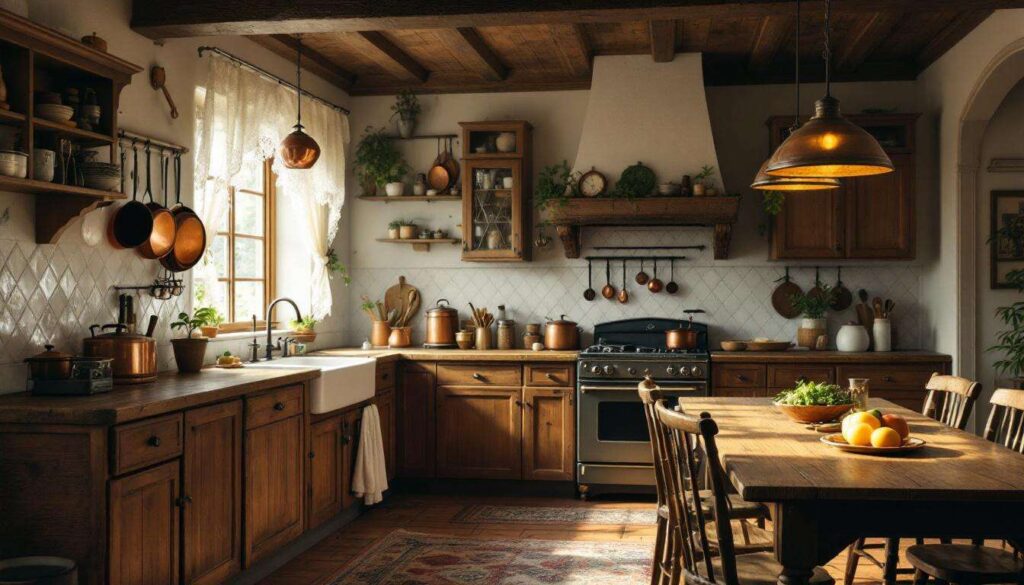
Kitchen design trends have always moved in cycles, and interior experts are noting a significant shift towards traditional features that were once considered outdated. This renewed appreciation for classic elements reflects a growing desire for authenticity, durability and timeless aesthetics in home design. From vintage colour palettes to handcrafted details, homeowners are rediscovering the charm and functionality of kitchens from bygone eras, proving that sometimes the best innovations are actually rediscoveries.
The return of vintage colours
Classic hues making a comeback
The stark white and grey kitchens that dominated recent years are giving way to warmer, more characterful colour schemes reminiscent of traditional homes. Designers are increasingly recommending shades such as sage green, deep navy, butter yellow and terracotta, colours that were staples in kitchens throughout the twentieth century. These vintage palettes create inviting and lived-in atmospheres that feel both nostalgic and refreshingly different from contemporary minimalism.
The psychology behind colour choices
Interior psychologists explain that these traditional colours promote feelings of comfort and stability. Unlike the clinical appearance of all-white kitchens, vintage hues offer:
- Enhanced warmth and personality in the space
- Better concealment of everyday wear and marks
- Improved visual connection with natural materials
- Greater flexibility for styling with accessories
The shift towards these time-tested colours demonstrates how traditional choices often prove more practical for daily living whilst simultaneously creating spaces with genuine character.
Solid wood cabinets
Quality over convenience
After years of flat-pack and laminate dominance, solid wood cabinetry is experiencing a remarkable resurgence. Oak, walnut and cherry wood cabinets are being specified more frequently, with homeowners recognising that investment in quality materials delivers superior longevity. Unlike their modern counterparts, solid wood cabinets can be refinished, repaired and even repurposed, making them a sustainable choice that aligns with growing environmental consciousness.
Comparing durability and value
| Feature | Solid wood | Modern alternatives |
|---|---|---|
| Lifespan | 50+ years | 10-15 years |
| Repairability | Excellent | Limited |
| Resale value | High | Moderate |
| Environmental impact | Low (renewable) | Higher (synthetic materials) |
The renewed interest in solid wood reflects a broader movement towards purchasing fewer, better-quality items that stand the test of time. This approach to kitchen design prioritises craftsmanship and authenticity, values that were central to traditional kitchen construction.
The return of porcelain sinks
Aesthetic appeal and practicality
The classic porcelain Belfast sink has re-emerged as a coveted kitchen feature, replacing stainless steel and composite alternatives. These deep, white ceramic sinks were originally designed for practical purposes in Victorian sculleries, but their combination of functionality and visual appeal makes them ideal for contemporary use. Their generous depth accommodates large pots and baking trays, whilst their timeless appearance complements both traditional and transitional kitchen designs.
Maintenance considerations
Modern porcelain formulations have addressed many historical concerns about durability. Today’s versions feature:
- Enhanced chip resistance through improved firing techniques
- Stain-resistant glazes that maintain their brilliance
- Antibacterial properties inherent to the material
- Heat resistance superior to many modern alternatives
The practical advantages of porcelain sinks, combined with their undeniable aesthetic charm, explain why designers are increasingly specifying them for high-end kitchen renovations. This renewed appreciation for traditional fixtures extends beyond sinks to other elements that once defined quality kitchen design.
Retro appliances
Style meets modern technology
Manufacturers have responded to demand for vintage-styled appliances by creating products that marry retro aesthetics with contemporary performance. Rounded refrigerators in pastel shades, ranges with chrome detailing, and stand mixers in heritage colours allow homeowners to achieve an authentic period look without sacrificing modern convenience or energy efficiency.
Popular retro appliance features
The most sought-after retro appliances incorporate design elements from the 1950s and 1960s, including:
- Curved edges and streamlined silhouettes
- Chrome handles and decorative trim
- Bold colour options beyond standard white or stainless steel
- Analogue-style dials and controls
- Freestanding designs that serve as focal points
These appliances demonstrate that traditional design principles can enhance rather than compromise functionality, offering a refreshing alternative to the ubiquitous stainless steel aesthetic. The attention to decorative details in these products echoes another traditional element making a significant comeback.
Craft-style tiles
Handmade quality and character
Mass-produced, perfectly uniform tiles are being replaced by handcrafted alternatives that celebrate slight variations and artisanal techniques. Metro tiles with crackle glazes, encaustic cement tiles with traditional patterns, and hand-painted ceramic tiles bring texture and individuality to kitchen walls and floors. These craft-style tiles reference historical production methods whilst offering the durability expected in modern kitchens.
Traditional tile patterns and layouts
Classic laying patterns are being rediscovered alongside the tiles themselves:
- Herringbone arrangements for visual interest
- Checkerboard floors in contrasting colours
- Geometric Victorian patterns for feature areas
- Brick-bond layouts for subway tiles
- Border details and decorative inserts
| Tile style | Origin period | Best application |
|---|---|---|
| Encaustic cement | Victorian era | Flooring |
| Metro/subway | Edwardian era | Wall splashbacks |
| Hand-painted majolica | Mediterranean tradition | Feature walls |
| Terracotta | Medieval period | Flooring |
The imperfections inherent in handcrafted tiles create depth and character impossible to achieve with machine-made products, adding a layer of authenticity that resonates with homeowners seeking genuine traditional aesthetics. This appreciation for decorative surfaces extends to wall treatments that were once dismissed as old-fashioned.
The resurgence of Victorian wallpaper
Pattern and personality
Kitchen wallpaper, particularly designs inspired by Victorian patterns, is challenging the notion that kitchen walls must be purely practical. Botanical prints, damask patterns and Morris-inspired designs are being used to create distinctive feature walls or to paper entire kitchens in homes where period authenticity is valued. Modern wallpaper technology ensures these decorative surfaces can withstand kitchen conditions whilst delivering the visual impact of traditional designs.
Practical considerations for kitchen wallpaper
Contemporary versions of Victorian wallpapers incorporate practical improvements:
- Washable and scrubbable surfaces for easy maintenance
- Moisture-resistant backing suitable for kitchen environments
- Fade-resistant inks that maintain colour intensity
- Paste-the-wall options for easier installation
The return of wallpaper represents a broader rejection of the idea that kitchens must be sterile, utilitarian spaces. Instead, these traditional patterns transform kitchens into rooms with personality and warmth, spaces that reflect individual taste rather than following prescribed design formulas.
The revival of these traditional kitchen features reflects a fundamental shift in how we value our homes. Rather than chasing the latest trends, homeowners are increasingly drawn to elements with proven longevity, both in terms of physical durability and aesthetic appeal. From vintage colours and solid wood cabinets to porcelain sinks and Victorian wallpapers, these classic features offer authenticity, quality and character that contemporary alternatives often lack. As experts continue to advocate for time-tested design choices, it becomes clear that looking backwards can be the most forward-thinking approach to creating kitchens that will remain beautiful and functional for decades to come.