


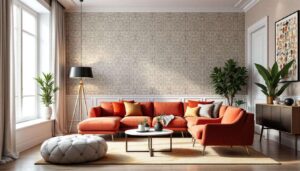
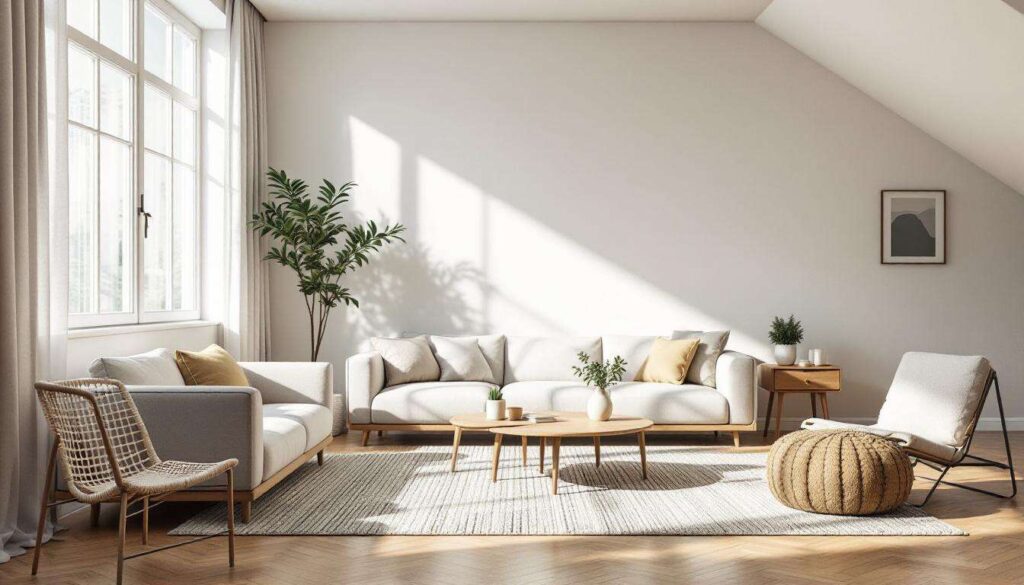
A living room should feel welcoming and complete, yet many homeowners struggle with spaces that appear sparse and unwelcoming. Interior designers frequently encounter rooms that lack visual warmth despite adequate square footage. Understanding the specific elements that contribute to an empty aesthetic can transform a barren space into an inviting sanctuary. These professional insights reveal the most common pitfalls that leave living rooms feeling incomplete and offer practical solutions for creating a more finished appearance.
Absence of functional furniture
Essential seating arrangements
The most obvious reason a living room feels empty is insufficient seating. Designers emphasise that a single sofa against one wall creates an unbalanced, incomplete look. A properly furnished living room requires multiple seating options that encourage conversation and comfort. Consider incorporating armchairs, ottomans, or a loveseat to create a cohesive seating arrangement that fills the space appropriately.
- Position furniture to create conversation zones rather than pushing everything against walls
- Include a coffee table or side tables within easy reach of seating
- Add a console table behind a sofa to anchor the space
- Consider multifunctional pieces like storage ottomans
Proper furniture scale
Furniture that is too small for the room creates visual voids that make spaces feel empty. Designers recommend measuring your living room carefully and selecting pieces proportionate to the space. A tiny sofa in a large room appears lost, whilst oversized furniture in a small space feels cramped. The key lies in achieving balance through appropriate scale and thoughtful placement.
| Room size | Recommended sofa length | Additional seating |
|---|---|---|
| Small (under 200 sq ft) | 72-84 inches | 2 accent chairs |
| Medium (200-400 sq ft) | 84-96 inches | 2-3 chairs or loveseat |
| Large (over 400 sq ft) | 96+ inches or sectional | Multiple seating zones |
Beyond seating, the absence of storage furniture contributes to an unfinished appearance, as functional pieces like bookcases and media consoles add both purpose and visual interest.
Rug too small or non-existent
The grounding effect of rugs
Designers consistently identify inadequate floor coverage as a primary culprit behind empty-looking living rooms. A rug serves as the foundation that anchors furniture and defines the living space. Without this crucial element, furniture appears to float awkwardly, creating a disconnected and sparse aesthetic. The psychological impact of a well-placed rug cannot be overstated, as it immediately makes a room feel more complete and intentional.
Sizing guidelines for maximum impact
The most common mistake involves selecting a rug that is far too small for the space. Designers recommend that all front legs of major furniture pieces should rest on the rug, or ideally, all furniture legs should be positioned on it. A tiny rug in the centre of a room emphasises the empty floor space rather than creating cohesion.
- For living rooms under 300 square feet: minimum 8×10 feet
- For medium living rooms: 9×12 feet or larger
- For open-plan spaces: consider layering rugs or using oversized options
- Leave 12-18 inches between rug edges and walls
The texture and pattern of rugs also contribute significantly to how full a room feels, with these textile elements adding another dimension beyond mere furniture placement.
Minimal wall decoration
Bare walls create visual voids
Nothing broadcasts emptiness quite like blank, unadorned walls. Designers note that homeowners often underestimate the importance of vertical space in creating a complete room. Artwork, mirrors, and wall-mounted shelving draw the eye upward and add layers of visual interest that make spaces feel inhabited and thoughtfully designed. A single small painting on a large wall actually emphasises the emptiness rather than alleviating it.
Strategic wall decoration approaches
The solution involves creating gallery walls, installing statement pieces, or incorporating architectural elements that give walls personality. Designers recommend that artwork should occupy roughly two-thirds to three-quarters of the available wall space for proper visual weight.
| Wall decoration type | Best for | Visual impact |
|---|---|---|
| Large statement artwork | Above sofas | Immediate focal point |
| Gallery wall | Empty walls, hallways | Collected, layered look |
| Mirrors | Opposite windows | Amplifies light and space |
| Floating shelves | Any wall | Functional decoration |
Wall decoration naturally leads to considerations about how light interacts with these elements and the overall atmosphere of the space.
Insufficient lighting
The emptiness of poor illumination
A living room with inadequate or poorly distributed lighting feels cold and uninviting, regardless of furnishings. Designers emphasise that relying solely on overhead lighting creates harsh shadows and leaves corners in darkness, making the room feel incomplete. Layered lighting that includes ambient, task, and accent sources transforms the atmosphere and highlights the room’s best features.
Creating a comprehensive lighting scheme
Professional designers recommend incorporating multiple light sources at different heights throughout the living room. This approach eliminates dark pockets that contribute to an empty feeling whilst adding decorative elements that fill visual space.
- Floor lamps in corners to illuminate and fill empty vertical space
- Table lamps on side tables for ambient glow
- Wall sconces to add architectural interest
- Pendant lights or chandeliers as statement pieces
- Accent lighting to highlight artwork or architectural features
Proper lighting not only makes a room feel fuller but also showcases the decorative accessories and textiles that further enhance the space.
Lack of accessories and textiles
The finishing touches that matter
Designers agree that rooms without accessories feel sterile and incomplete. Cushions, throws, books, plants, and decorative objects add personality and visual richness that furniture alone cannot provide. These elements create layers of interest that make a space feel lived-in and thoughtfully curated rather than showroom-empty.
Strategic accessorising techniques
The key involves distributing accessories throughout the room at various heights and grouping items in odd numbers for visual appeal. Coffee tables, side tables, shelving, and mantels all provide opportunities for styling that fills visual gaps.
- Add 4-6 cushions on sofas in varying sizes and textures
- Drape throws over seating for softness and colour
- Style coffee tables with books, trays, and decorative objects
- Incorporate plants at different heights for organic elements
- Display collections or personal items on shelves
- Use decorative bowls, vases, and sculptural objects
These textile and decorative choices naturally connect to the overall colour scheme, which profoundly affects how empty or full a room appears.
Dominant neutral colours
The disappearing act of monochrome schemes
Whilst neutral palettes remain popular, excessive reliance on single-tone neutrals creates a washed-out appearance that lacks definition. Designers observe that all-white or all-beige rooms without contrast or colour variation feel empty because nothing catches the eye or creates focal points. The absence of visual anchors makes it difficult for the eye to settle, resulting in a sense of incompleteness.
Adding depth through colour strategy
The solution does not require abandoning neutrals but rather introducing layers of tone, texture, and strategic colour accents. Designers recommend the 60-30-10 rule: 60% dominant colour, 30% secondary colour, and 10% accent colour to create visual interest and depth.
| Colour strategy | Implementation | Effect |
|---|---|---|
| Tonal variation | Multiple shades of one colour | Subtle depth and sophistication |
| Accent colours | Cushions, artwork, accessories | Visual focal points |
| Contrasting elements | Dark furniture against light walls | Definition and structure |
| Metallic accents | Fixtures, frames, accessories | Reflective interest |
Incorporating varied textures in similar tones also prevents the flat appearance that makes rooms feel empty, as velvet, linen, wood, and metal each catch light differently and create visual richness even within a neutral palette.
Transforming an empty-looking living room requires addressing multiple design elements simultaneously. From establishing proper furniture scale and placement to incorporating adequate rugs, wall decoration, layered lighting, thoughtful accessories, and strategic colour choices, each component contributes to a cohesive, complete aesthetic. Designers emphasise that a successful living room feels intentionally designed rather than sparsely furnished, with every element working together to create warmth, visual interest, and a genuine sense of home. By implementing these professional insights, any living room can evolve from feeling barren to becoming a welcoming, fully realised space.