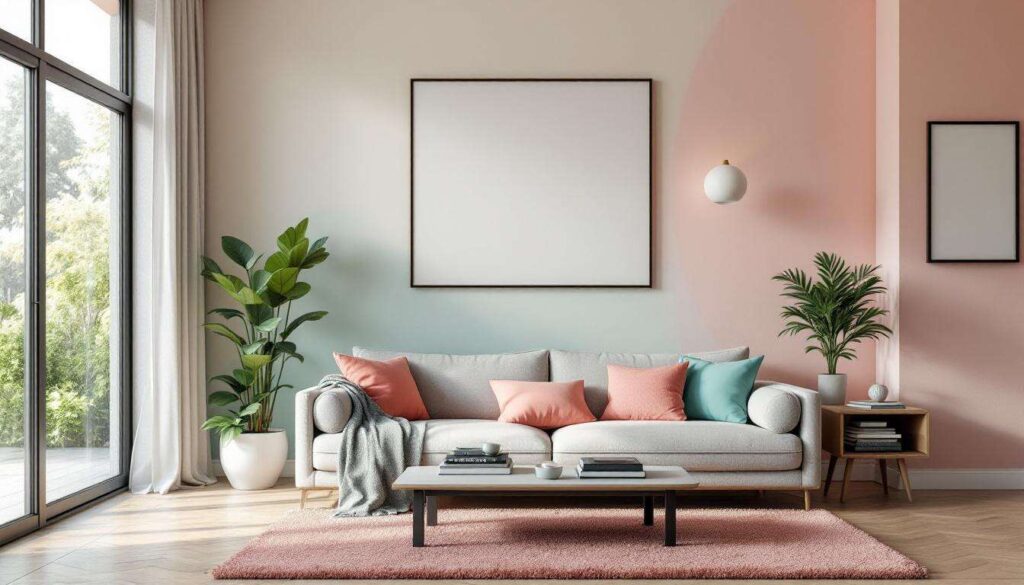
Refreshing your living space doesn’t require a complete renovation. Sometimes, a strategic splash of colour can transform the entire atmosphere of a room, breathing new life into familiar surroundings. Interior designers have identified seven specific hues that promise to invigorate homes throughout the coming year, each offering distinct characteristics that address contemporary desires for comfort, boldness, and connection to nature. These carefully selected shades range from soothing pastels to dramatic jewel tones, providing options for every aesthetic preference and design challenge.
Colour trend 2026: ice blue
A refreshing departure from traditional blues
Ice blue emerges as a standout favourite amongst design professionals, offering a crisp alternative to the navy and royal blues that have dominated interiors in recent years. This pale, almost ethereal shade brings an immediate sense of tranquillity and spaciousness to any room it graces. Unlike deeper blues that can feel heavy or formal, ice blue maintains a lightness that makes spaces feel larger and more breathable.
Versatility across different spaces
The beauty of ice blue lies in its remarkable adaptability. Consider these applications:
- Bedrooms benefit from its calming properties, promoting restful sleep
- Bathrooms feel spa-like and clean when painted in this shade
- Home offices gain a sense of clarity and focus
- Living areas appear more open and airy
Designers particularly appreciate how ice blue works alongside both warm and cool colour palettes, serving as a neutral that brings freshness without coldness. This versatility extends beyond wall colour, working beautifully in soft furnishings, ceramics, and decorative accessories.
Whilst ice blue offers serenity, some spaces demand a more dramatic approach, which brings us to a shade that combines depth with vibrancy.
Teal: a bold shade for the home
Balancing green and blue undertones
Teal represents a sophisticated middle ground between the coolness of blue and the vitality of green. This complex colour brings richness to interiors without overwhelming them, making it an excellent choice for those seeking impact with restraint. The shade works particularly well in spaces where you want to create a focal point without resorting to jarring contrasts.
Strategic placement recommendations
Interior designers suggest using teal in specific ways to maximise its potential:
- Feature walls in dining rooms create intimate, jewel-box atmospheres
- Kitchen cabinetry in teal adds personality without dating quickly
- Upholstered furniture pieces serve as statement items
- Accent tiles in bathrooms provide luxurious touches
| Application | Impact Level | Recommended Space |
|---|---|---|
| Full wall coverage | High | Dining rooms, studies |
| Cabinetry | Medium-high | Kitchens, bathrooms |
| Soft furnishings | Medium | Any room |
| Accessories | Low-medium | Any room |
For those who find teal still too subdued, the next colour offers an entirely different energy level.
Warmth and boldness with bright yellow
Energising spaces with sunshine hues
Bright yellow injects immediate optimism into any interior, functioning almost like bottled sunshine. This isn’t the pale primrose of previous trends but rather a confident, saturated yellow that demands attention. Designers note that this shade particularly appeals to those seeking to counterbalance grey weather or create spaces that feel perpetually cheerful.
Avoiding common pitfalls
Yellow requires careful handling to prevent overwhelming spaces. Professional approaches include:
- Using yellow on single accent walls rather than entire rooms
- Pairing with crisp white trim to contain the intensity
- Incorporating through artwork and textiles before committing to paint
- Selecting muted yellows for larger applications, reserving bright shades for small doses
The key lies in balancing yellow’s inherent vibrancy with neutral surroundings that allow it to shine without causing visual fatigue. Kitchens and breakfast nooks particularly benefit from yellow’s appetite-stimulating and mood-lifting properties.
Moving from the brightness of yellow, we encounter a shade that brings us back to nature’s more grounded palette.
The return of forest green
Reconnecting with natural environments
Forest green represents a significant shift towards biophilic design principles, bringing the outdoors inside through colour. This deep, saturated green evokes woodland walks and ancient trees, creating spaces that feel both luxurious and grounding. Unlike the grey-greens that have dominated recent years, forest green commits fully to its verdant nature.
Creating depth and drama
This shade excels at adding sophistication to various spaces. Designers recommend forest green for:
- Libraries and reading nooks where contemplation is encouraged
- Bedrooms seeking a cocooning, restful atmosphere
- Powder rooms where drama can be embraced fully
- Living rooms paired with brass fixtures and natural wood
The richness of forest green means it works exceptionally well with metallic accents, particularly warm golds and aged brass, creating combinations that feel both classic and contemporary.
Continuing this exploration of rich, warm tones leads us to a colour that captures the essence of autumn.
Amber: the elegance of burnt caramel
Warmth without the intensity of orange
Amber occupies a unique position in the colour spectrum, offering the warmth of orange tempered with brown’s earthiness. This burnt caramel shade brings immediate cosiness to interiors, evoking feelings of comfort and security. Designers particularly appreciate how amber creates inviting spaces without the aggressive energy that pure orange can introduce.
Layering amber effectively
The sophistication of amber emerges through thoughtful layering:
- Velvet upholstery in amber creates luxurious seating
- Glazed ceramic tiles bring depth to backsplashes
- Amber-toned wood finishes complement the colour beautifully
- Lighting fixtures in amber glass create warm, flattering illumination
This shade works particularly well in transitional spaces like hallways and landings, where its warmth creates welcoming passages between rooms. Paired with cream or soft grey, amber achieves a balance between contemporary and traditional aesthetics.
From amber’s warmth, we move to a shade that combines similar richness with greater depth and formality.
Burgundy: the sophistication of Bordeaux
Deep wine tones for dramatic interiors
Burgundy brings undeniable sophistication to interiors, channelling the richness of fine wine into living spaces. This deep red-purple hybrid creates rooms that feel both intimate and grand, a combination particularly valued in formal entertaining spaces. Unlike brighter reds that can feel aggressive, burgundy maintains a sense of restraint even whilst making bold statements.
Pairing burgundy with complementary elements
Success with burgundy depends on thoughtful combinations. Consider these pairings:
| Burgundy Element | Complementary Colour | Effect Created |
|---|---|---|
| Wall colour | Cream or ivory | Classic elegance |
| Upholstery | Charcoal grey | Modern sophistication |
| Curtains | Soft pink | Romantic warmth |
| Accessories | Emerald green | Jewel-box richness |
Designers note that burgundy works exceptionally well in dining rooms and studies, spaces where its inherent formality enhances the room’s purpose. The colour also photographs beautifully, making it popular in homes where entertaining and social media presence matter.
These seven colours represent more than passing fads. They reflect a broader movement towards interiors that prioritise personal well-being, connection to nature, and authentic self-expression. Whether you choose the serenity of ice blue, the drama of burgundy, or the optimism of bright yellow, each shade offers distinct opportunities to refresh your home. The most successful interiors will likely combine several of these hues, creating layered, nuanced spaces that feel both current and timeless. By selecting colours that resonate with your personal aesthetic whilst acknowledging contemporary trends, you create environments that truly feel like home.