

Creating a home that feels like a true sanctuary has become more than just a design goal; it’s a reflection of how we want to live. The furniture we choose plays a pivotal role in shaping spaces that nurture, inspire and provide comfort. Recent shifts in interior design reveal a move away from fleeting trends towards pieces that carry meaning, texture and personality. The focus is on crafting environments that feel layered, lived-in and authentically yours. These emerging furniture trends offer a roadmap to transforming your living spaces into havens that resonate with warmth and character.
Nature trend: colours and materials inspired by the environment
Bringing the outdoors inside with organic palettes
The connection between our interiors and the natural world has never been stronger. Furniture trends are embracing earthy colour palettes that mirror landscapes, from warm terracotta and sandy beiges to deep forest greens and ocean blues. These hues create a calming backdrop that promotes wellbeing and relaxation. Rather than following seasonal colour trends, this approach focuses on timeless shades that evoke the serenity of nature.
Materials that celebrate natural beauty
Rich woods are making a significant comeback, with emphasis on visible grain patterns and natural imperfections that tell a story. Furniture crafted from sustainable timber, rattan, bamboo and stone brings tactile warmth to any room. These materials age gracefully, developing character over time rather than appearing worn. Textured fabrics such as linen, wool and organic cotton add layers of comfort whilst maintaining an eco-conscious approach.
- Solid oak and walnut pieces with natural finishes
- Woven rattan chairs and storage solutions
- Stone-topped tables with organic edges
- Jute rugs and hemp upholstery
This emphasis on natural materials extends beyond aesthetics to embrace sustainability and durability. By choosing furniture that honours the environment, you create spaces that feel grounded and authentic. These nature-inspired elements set the foundation for interiors that nurture both body and soul, whilst the next trend explores how form itself can enhance this sense of comfort.
The return of curved and soft shapes
Sculptural silhouettes that soften spaces
Angular, minimalist furniture is giving way to curved forms that invite touch and encourage relaxation. Rounded sofas, circular dining tables and chairs with gentle contours create a sense of flow throughout your home. These sculptural pieces act as focal points whilst maintaining a welcoming atmosphere. The softness of curves contrasts beautifully with architectural lines, adding visual interest without overwhelming a space.
Comfort meets contemporary design
Beyond aesthetics, curved furniture offers practical benefits. Rounded edges are safer in homes with children, whilst the enveloping shape of curved seating provides superior comfort. Sofas with rounded backs and arms create intimate conversation areas, transforming living rooms into gathering spaces. This trend reflects a broader shift towards furniture that prioritises human comfort alongside visual appeal.
| Furniture Type | Curved Design Benefit |
|---|---|
| Sofas | Enhanced comfort and conversation-friendly layout |
| Dining tables | Improved traffic flow and inclusive seating |
| Armchairs | Ergonomic support with sculptural presence |
| Storage units | Softer visual impact in compact spaces |
The beauty of curved furniture lies in its ability to create harmony within diverse interior styles. Whether your aesthetic leans towards contemporary minimalism or eclectic maximalism, these soft shapes integrate seamlessly. As our homes become more multifunctional, the next trend addresses how furniture can adapt to our evolving needs.
Multipurpose furniture: the rise of modularity
Adaptable pieces for dynamic living
Modern living demands flexibility, and modular furniture answers this call with innovative designs that transform according to need. Sectional sofas that reconfigure for different occasions, extending dining tables, and storage systems that adapt to changing requirements exemplify this trend. These pieces recognise that our homes serve multiple purposes throughout the day, from workspace to entertainment hub to peaceful retreat.
Thoughtful design for sustainable living
Investing in multipurpose furniture represents a more sustainable approach to interior design. Rather than purchasing separate pieces for each function, modular systems consolidate needs whilst reducing consumption. A sofa bed that genuinely offers comfort in both configurations, or a coffee table with hidden storage, maximises space without compromising on style or functionality.
- Modular seating systems with interchangeable components
- Nesting tables that expand for entertaining
- Ottomans with integrated storage
- Wall-mounted desks that fold away
- Shelving units that adapt to different room layouts
This practical approach to furniture selection encourages more considered purchasing decisions. By choosing pieces that serve multiple functions, you create a home that evolves with your lifestyle rather than requiring constant updates. The focus on versatility complements the growing appreciation for furniture that carries deeper meaning and craftsmanship.
Authenticity through craftsmanship
The value of handmade pieces
There is a renewed appreciation for furniture that bears the marks of human hands. Artisan-crafted pieces bring uniqueness and soul to interiors, offering an antidote to mass production. Visible joinery, hand-carved details and imperfect finishes celebrate the skill involved in furniture making. These pieces tell stories of tradition, expertise and dedication to craft.
Building a collected interior
Rather than purchasing matching furniture sets, the trend favours accumulating pieces over time that reflect personal journeys and discoveries. This approach creates interiors with depth and character, where each item has been chosen for its individual merit. Vintage finds sit comfortably alongside contemporary designs, united by quality craftsmanship and personal significance.
Choosing handcrafted furniture supports artisans and preserves traditional techniques whilst creating truly distinctive interiors. These pieces become heirlooms that gain value and meaning over time, contrasting sharply with disposable furniture culture. As we seek authenticity in our homes, certain historical styles are being reinterpreted for contemporary living.
Modernised Art Deco for a chic interior
Glamour meets contemporary sensibility
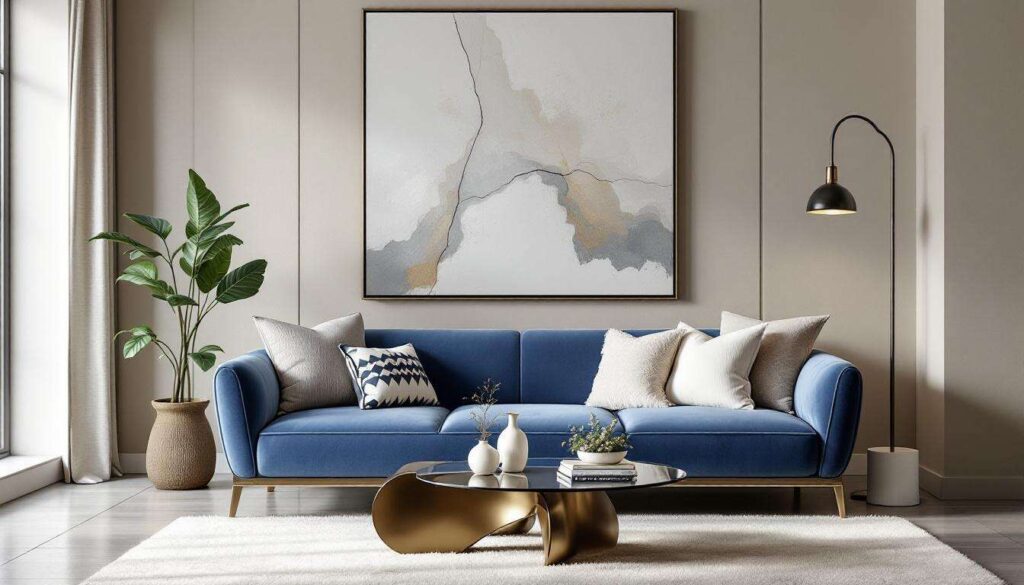
Art Deco’s luxurious aesthetic is experiencing a revival, but with a modern twist. Rich materials like velvet, brass and marble are being incorporated into furniture designs that reference the opulence of the era whilst maintaining contemporary proportions. This updated approach avoids pastiche, instead drawing inspiration from Art Deco’s bold geometry and sophisticated palette.
Statement pieces with timeless appeal
Incorporating Art Deco-inspired furniture adds instant elegance and drama to interiors. A velvet sofa in jewel tones, a sideboard with geometric inlay, or lighting with brass detailing creates focal points that elevate entire rooms. These pieces work particularly well in neutral settings, where they can truly shine without overwhelming the space.
- Velvet upholstery in emerald, sapphire or ruby tones
- Geometric patterns in wood inlay or metalwork
- Brass and gold accents on furniture hardware
- Marble surfaces with dramatic veining
- Mirrored furniture for added glamour
The beauty of modernised Art Deco lies in its versatility. These statement pieces can be integrated sparingly for subtle sophistication or embraced fully for maximum impact. This trend demonstrates how historical styles can be reinterpreted to suit contemporary tastes, creating interiors that feel both timeless and current. Beyond individual furniture pieces, how we arrange seating plays a crucial role in creating welcoming spaces.
Exceptional seating to encourage interactions
Creating conversation-friendly layouts
The way we arrange seating fundamentally shapes how we interact within our homes. Moving away from furniture pushed against walls, the trend favours intimate groupings that facilitate conversation and connection. Placing sofas and chairs to face each other, incorporating occasional chairs, and creating multiple seating zones within larger rooms encourages social interaction and makes spaces feel more inviting.
Investing in statement seating
Exceptional chairs and sofas are being recognised as worthy investments that transform both the functionality and aesthetic of a room. A sculptural armchair becomes art, whilst a generously proportioned sofa anchors a living space. These pieces combine comfort with visual impact, serving as both practical furniture and design statements.
| Seating Type | Impact on Space |
|---|---|
| Accent chairs | Adds personality and flexible seating |
| Curved sofas | Creates inclusive conversation areas |
| Benches | Versatile seating for various room functions |
| Window seats | Utilises space whilst adding charm |
Prioritising quality seating reflects an understanding that these are the pieces we interact with most frequently. Comfortable, beautiful seating encourages us to linger, connect and truly inhabit our spaces. By selecting chairs and sofas that invite use whilst making visual statements, you create environments that naturally draw people together.
These furniture trends collectively point towards a more intentional approach to creating homes. By embracing natural materials, soft shapes, versatile designs, authentic craftsmanship, elegant historical references and thoughtful seating arrangements, you can transform your living spaces into true sanctuaries. The key lies in selecting pieces that resonate personally, prioritising quality over quantity, and building interiors that reflect your individual story whilst providing comfort and beauty for years to come.