

Every homeowner knows that feeling when a living room starts to look tired and uninspired. The good news is that transforming your space doesn’t require a complete renovation or an extravagant budget. Interior designers consistently emphasise that strategic, thoughtful upgrades can dramatically elevate the appearance and atmosphere of your living room. These carefully selected improvements work together to create a cohesive, polished environment that reflects both style and comfort. Whether you’re preparing to welcome guests or simply seeking to refresh your daily surroundings, these six designer-approved upgrades offer immediate visual impact with minimal disruption to your routine.
Refreshing walls with paint or wallpaper
The transformative power of colour
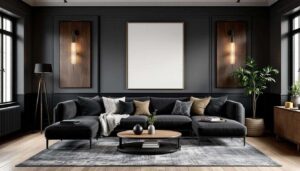
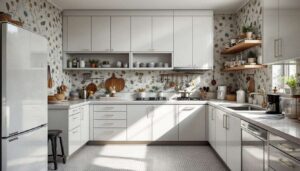
Walls serve as the canvas for your entire living room, and changing their appearance creates an instant transformation that influences every other element in the space. Designers frequently recommend this upgrade as the most cost-effective way to achieve dramatic results. A fresh coat of paint in a contemporary shade can modernise dated interiors, whilst wallpaper introduces texture and pattern that adds depth and personality.
Selecting the right finish
The choice between paint and wallpaper depends on your desired aesthetic and practical considerations. Paint offers versatility and ease of future changes, whilst wallpaper provides distinctive visual interest that paint alone cannot achieve. Consider these options:
- Neutral tones such as warm greys, soft beiges, or muted greens for timeless appeal
- Accent walls in bold colours to create focal points without overwhelming the space
- Textured wallpapers that add dimension and tactile interest
- Removable wallpaper for renters or those who prefer flexibility
Professional techniques for flawless results
Designers emphasise the importance of proper preparation, including filling imperfections and using quality primer. The finish you choose matters significantly, with matt emulsions hiding wall flaws whilst satin finishes offer easier cleaning in high-traffic areas. For wallpaper, precise measuring and careful pattern matching ensure professional-looking results that enhance rather than detract from your room’s appearance.
Once your walls establish the foundation, the next layer of visual and sensory appeal comes through carefully selected fabrics and materials.
Incorporating warm and varied textiles
Building layers of comfort
Textiles introduce warmth, comfort, and visual richness that transform sterile spaces into inviting sanctuaries. Designers recommend layering different fabrics to create depth and interest. Cushions, throws, curtains, and rugs work together to soften hard surfaces and add colour and pattern in easily changeable ways.
Strategic textile placement
| Textile Element | Purpose | Designer Tip |
|---|---|---|
| Cushions | Comfort and colour | Use odd numbers and vary sizes |
| Throws | Texture and warmth | Drape casually for relaxed elegance |
| Curtains | Privacy and softness | Hang high and wide to maximise light |
| Rugs | Grounding and definition | Ensure furniture legs sit on the rug |
Mixing textures and patterns
Successful textile combinations balance different weights and weaves to create visual interest without chaos. Pair smooth velvet with nubby linen, or geometric patterns with organic florals. Designers suggest maintaining a cohesive colour palette whilst varying the scale of patterns, allowing each element to complement rather than compete with others.
With textiles adding warmth and texture, the way you illuminate these elements becomes equally crucial to the overall effect.
Using lighting to create a welcoming atmosphere
The three-layer lighting approach
Professional designers consistently advocate for layered lighting schemes that combine ambient, task, and accent lighting. This approach allows you to adjust the mood and functionality of your living room throughout the day. Relying solely on overhead lighting creates harsh shadows and an uninviting atmosphere, whilst multiple light sources at different heights add warmth and dimension.
Practical lighting solutions
- Floor lamps in corners to eliminate dark spaces and create ambient glow
- Table lamps on side tables for task lighting and visual balance
- Wall sconces to free up surface space whilst adding architectural interest
- Dimmer switches to control intensity and adapt to different activities
- LED bulbs in warm white tones for energy efficiency without sacrificing ambience
Statement lighting as focal points
A distinctive light fixture serves as both functional necessity and sculptural art, drawing the eye upward and adding personality to your space. Whether you choose a contemporary pendant, a classic chandelier, or an industrial-style fixture, ensure it’s appropriately scaled for your room dimensions and ceiling height.
Just as lighting highlights your space, carefully chosen artwork provides visual anchors that define your style and elevate the entire room.
Choosing impactful art pieces
Art as the room’s personality
Artwork transforms blank walls into expressive statements that reflect your taste and create conversation starters. Designers emphasise that you needn’t invest in expensive originals; what matters is selecting pieces that resonate with you and complement your space. The right artwork ties together colour schemes and establishes the room’s aesthetic direction.
Placement and proportion guidelines
Hanging art at the correct height and scale makes the difference between amateur and professional-looking interiors. The centre of artwork should sit at eye level, typically 145-150 centimetres from the floor. For pieces above furniture, leave 15-20 centimetres of space between the furniture top and the artwork’s bottom edge. Consider these arrangements:
- Gallery walls with mixed frame sizes for eclectic charm
- Large-scale single pieces as dramatic focal points
- Symmetrical pairs flanking architectural features
- Leaning artwork on mantels or shelves for casual sophistication
Beyond traditional paintings
Contemporary designers encourage thinking beyond framed prints. Textile wall hangings, sculptural pieces, mirrors, and even collected objects in shadow boxes add dimensional interest and personal meaning. Mixing different mediums creates a curated, collected-over-time appearance that feels authentic rather than staged.
With walls adorned and lighting perfected, reassessing how your furniture occupies the space can unlock hidden potential in your layout.
Rearranging furniture to optimise space
Creating functional conversation zones
Furniture arrangement profoundly affects how a room feels and functions, yet many homeowners never experiment beyond their initial layout. Designers recommend arranging seating to facilitate conversation, typically positioning sofas and chairs to face each other with no more than 2.5 metres between them. This configuration creates intimacy and encourages interaction.
Common layout mistakes to avoid
| Mistake | Problem | Solution |
|---|---|---|
| Pushing all furniture against walls | Creates disconnected, awkward space | Float furniture to define zones |
| Blocking natural pathways | Disrupts flow and feels cramped | Maintain 60-90cm walking paths |
| Ignoring focal points | Lacks visual anchor | Arrange around fireplace or window |
| Mismatched scale | Furniture overwhelms or underwhelms | Choose proportional pieces |
Flexibility and adaptability
Modern living rooms serve multiple purposes, from entertaining guests to quiet reading. Modular furniture and lightweight pieces allow you to reconfigure your space as needs change. Consider adding ottomans that function as seating, footrests, or coffee tables, and ensure your layout accommodates various activities without requiring major rearrangement.
After optimising your layout, introducing natural elements provides the final touch that brings life and freshness to your carefully arranged space.
Adding greenery for a touch of nature
The benefits of indoor plants
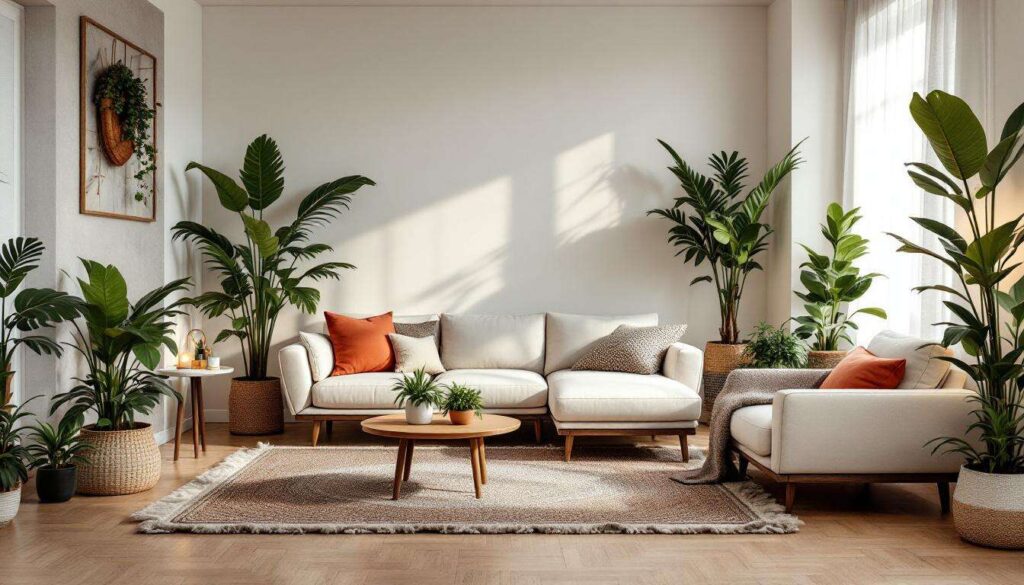
Plants offer more than aesthetic appeal; they purify air, reduce stress, and create connections to the natural world that enhance wellbeing. Designers consistently incorporate greenery as an essential element rather than an afterthought. Even those without green thumbs can successfully maintain plants with proper selection and placement.
Selecting appropriate plants
Choose plants based on your living room’s light conditions and your maintenance commitment. Low-light tolerant varieties suit rooms with limited natural light, whilst sun-loving species thrive near windows. Consider these designer favourites:
- Fiddle leaf figs for dramatic architectural presence
- Snake plants for low-maintenance vertical interest
- Pothos for trailing greenery on shelves or hanging planters
- Monstera deliciosa for tropical, statement-making foliage
- Succulents for compact, sculptural forms requiring minimal care
Styling with plants
Varying heights and container styles creates visual rhythm throughout your space. Place tall floor plants in corners or beside furniture to soften hard edges. Group smaller plants on coffee tables, shelves, or windowsills in odd numbers for pleasing arrangements. Decorative planters in materials like ceramic, woven baskets, or metallic finishes add another layer of style whilst protecting surfaces from water damage.
Transforming your living room needn’t involve extensive renovations or substantial financial investment. These six designer-approved upgrades work synergistically to create spaces that feel both polished and personal. Fresh walls establish the foundation, whilst layered textiles add warmth and comfort. Strategic lighting illuminates your space beautifully, and carefully chosen artwork expresses your personality. Thoughtful furniture arrangement optimises functionality, and living greenery introduces vitality and natural beauty. By implementing even a few of these suggestions, you’ll notice immediate improvements that make your living room a more inviting, stylish space you’re proud to call home.