

Design evolves at a relentless pace, and what seemed fresh and innovative just a few years ago can quickly appear tired and uninspired. As we move through the digital landscape, certain visual trends that dominated recent years are beginning to show their age. Recognising these outdated approaches and understanding how to replace them with contemporary alternatives is essential for brands, designers, and businesses seeking to maintain a competitive edge. The following design trends have reached their expiration date, and it’s time to explore the exciting directions that will define the visual language of tomorrow.
Minimalist design trends: an outdated approach ?
The limitations of extreme minimalism
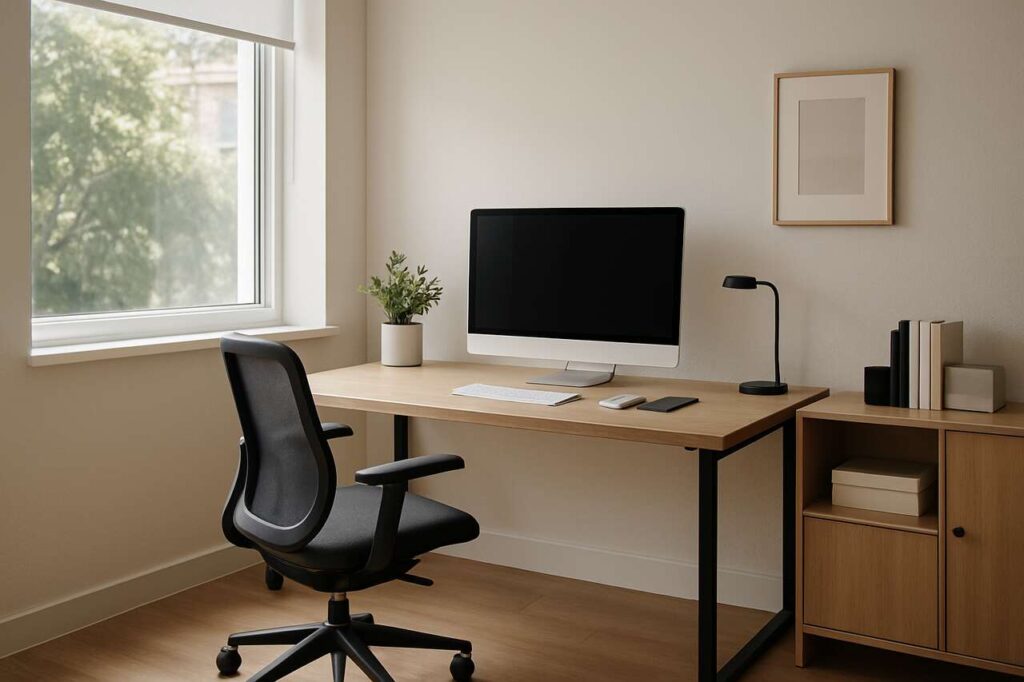
The minimalist movement has dominated digital design for nearly a decade, championing simplicity and clean lines above all else. However, this approach has become so ubiquitous that many websites and applications now look indistinguishable from one another. The relentless pursuit of minimalism has stripped away personality and character, leaving users with sterile, forgettable experiences. Brands have discovered that whilst minimalism can communicate sophistication, it often fails to create emotional connections or memorable impressions.
Embracing expressive maximalism
The alternative to stark minimalism isn’t chaos, but rather a thoughtful maximalist approach that celebrates visual richness. This involves:
- Incorporating layered textures and patterns that add depth
- Using decorative elements that reflect brand personality
- Balancing complexity with purposeful hierarchy
- Creating immersive environments that engage users emotionally
This shift towards expressive design doesn’t mean abandoning clarity or usability. Instead, it recognises that visual interest and functionality can coexist harmoniously, creating experiences that are both beautiful and effective.
As designers reconsider the balance between simplicity and expression, another once-dominant trend faces similar scrutiny regarding its ability to capture attention and convey energy.
The era of pastel colours: make way for bold palettes
Why pastels have lost their impact
Pastel colour schemes flooded the design world, offering a soft, approachable aesthetic that seemed perfect for digital platforms. However, these muted tones have become synonymous with bland, safe design choices that fail to stand out in an increasingly crowded visual landscape. The prevalence of millennial pink, powder blue, and mint green has created a homogeneous look across industries, from technology startups to wellness brands.
The power of saturated, confident colours
Contemporary design is embracing vibrant, saturated palettes that command attention and convey confidence. This evolution includes:
| Outdated approach | Contemporary alternative |
|---|---|
| Pastel pink and blue combinations | Electric fuchsia with deep navy |
| Muted mint greens | Vivid emerald and lime accents |
| Washed-out neutrals | Rich terracotta and ochre tones |
| Uniform colour temperature | Strategic warm-cool contrasts |
These bold colour choices don’t simply attract attention; they communicate brand values with clarity and create memorable visual identities that resonate with audiences seeking authenticity and energy.
Whilst colour palettes evolve towards boldness, another trend rooted in nostalgia requires fresh examination regarding its continued relevance.
The return of retro style: why it’s time to bid farewell
The saturation of nostalgic design
Retro aesthetics have enjoyed a prolonged revival, with designers mining the 1980s and 1990s for inspiration. Neon gradients, geometric patterns, and vintage typography became ubiquitous elements across branding and digital design. However, this nostalgic approach has reached saturation point, with the constant recycling of past decades feeling increasingly derivative rather than innovative. What once felt fresh and playful now appears formulaic and predictable.
Crafting forward-looking visual languages
Moving beyond retro requires developing original visual languages that respond to contemporary culture rather than mining the past. Effective alternatives include:
- Creating hybrid aesthetics that blend technological and organic elements
- Exploring futuristic themes that imagine new possibilities
- Developing custom typography that reflects current cultural moments
- Incorporating emerging technologies like generative design and artificial intelligence
- Drawing inspiration from contemporary art movements rather than commercial design history
This forward-looking approach acknowledges design history whilst creating something genuinely new and relevant to current audiences.
Just as temporal references require reconsideration, spatial arrangements in design also demand fresh thinking about balance and visual flow.
Symmetrical design: exploring dynamic asymmetry
The predictability of perfect balance
Symmetrical layouts have long been favoured for their sense of order and professionalism. However, this approach has become predictable, creating compositions that feel static and uninspiring. Perfect symmetry can communicate stability, but it often fails to guide the eye through content in engaging ways or create the visual tension that makes designs memorable.
Harnessing asymmetrical compositions
Asymmetrical design creates dynamic visual experiences that feel contemporary and engaging. This approach offers several advantages:
| Design element | Symmetrical approach | Asymmetrical approach |
|---|---|---|
| Visual interest | Predictable, static | Dynamic, engaging |
| Content hierarchy | Equal weight distribution | Strategic emphasis |
| Eye movement | Centred, limited flow | Guided, intentional paths |
| Emotional impact | Calm, conservative | Energetic, memorable |
Effective asymmetry isn’t random; it requires careful consideration of visual weight, white space, and content relationships to create balanced compositions that feel alive rather than chaotic.
Beyond layout considerations, the visual elements themselves require authenticity that generic resources cannot provide.
Stock illustrations: customise for more authenticity
The generic problem with stock visuals
Stock illustration libraries exploded in popularity, offering convenient solutions for brands seeking visual content. However, the same generic characters and scenes have appeared across countless websites, creating a homogeneous visual landscape where brands become indistinguishable. These illustrations, whilst functional, lack the specificity and personality that create genuine connections with audiences. The prevalence of certain illustration styles has made them instantly recognisable as stock content, undermining credibility.
Investing in bespoke visual identity
Custom illustrations provide authentic visual storytelling that reflects brand values and resonates with specific audiences. Implementing this approach involves:
- Developing unique illustration styles that reflect brand personality
- Creating characters and scenarios specific to your audience and context
- Commissioning original artwork from illustrators whose style aligns with brand values
- Building comprehensive visual libraries that maintain consistency across touchpoints
- Incorporating cultural specificity that resonates with target demographics
Whilst custom illustration requires greater investment, it delivers distinctive visual identity that differentiates brands in competitive markets and builds recognition over time.
As visual content demands authenticity, the fundamental approach to design depth and dimensionality also requires evolution.
Flat design: towards a more immersive aesthetic
The limitations of two-dimensional thinking
Flat design emerged as a reaction against skeuomorphism, eliminating shadows, gradients, and dimensional effects in favour of simple, two-dimensional elements. This approach served digital design well, improving loading times and creating clean interfaces. However, flat design has become so prevalent that it now feels lifeless and uninspiring. The complete absence of depth can make interfaces feel cold and fail to provide the visual cues that help users understand interactive elements.
Embracing dimensional and immersive design
Contemporary design is moving towards approaches that incorporate subtle dimensionality and immersive qualities without returning to heavy skeuomorphism. This evolution includes:
| Technique | Application | Benefit |
|---|---|---|
| Soft shadows | Elevated cards and buttons | Improved hierarchy and interactivity cues |
| Gradient overlays | Background elements and imagery | Added depth without complexity |
| Micro-interactions | Hover states and transitions | Enhanced user engagement |
| 3D elements | Hero sections and key visuals | Memorable, immersive experiences |
This neo-dimensional approach balances the clarity of flat design with subtle depth that creates more engaging, human-centred experiences. By incorporating thoughtful shadows, layering, and spatial relationships, designers can create interfaces that feel tangible and intuitive whilst maintaining the performance benefits of streamlined design.
Design trends inevitably evolve, and recognising when established approaches have run their course is essential for maintaining relevance and impact. The shifts away from extreme minimalism, pastel palettes, retro aesthetics, rigid symmetry, generic stock illustrations, and purely flat design represent a broader movement towards more expressive, authentic, and dimensional visual communication. These changes reflect audiences’ desire for distinctive experiences that engage emotionally whilst remaining functional and accessible. By embracing bold colours, custom visuals, asymmetrical compositions, and thoughtful dimensionality, brands can create memorable identities that stand apart in an increasingly crowded visual landscape. The key lies not in following trends blindly but in understanding the principles behind these evolutions and applying them thoughtfully to create designs that genuinely serve both brand objectives and user needs.