

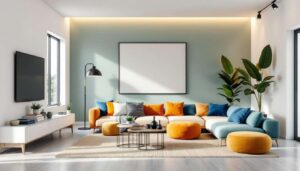

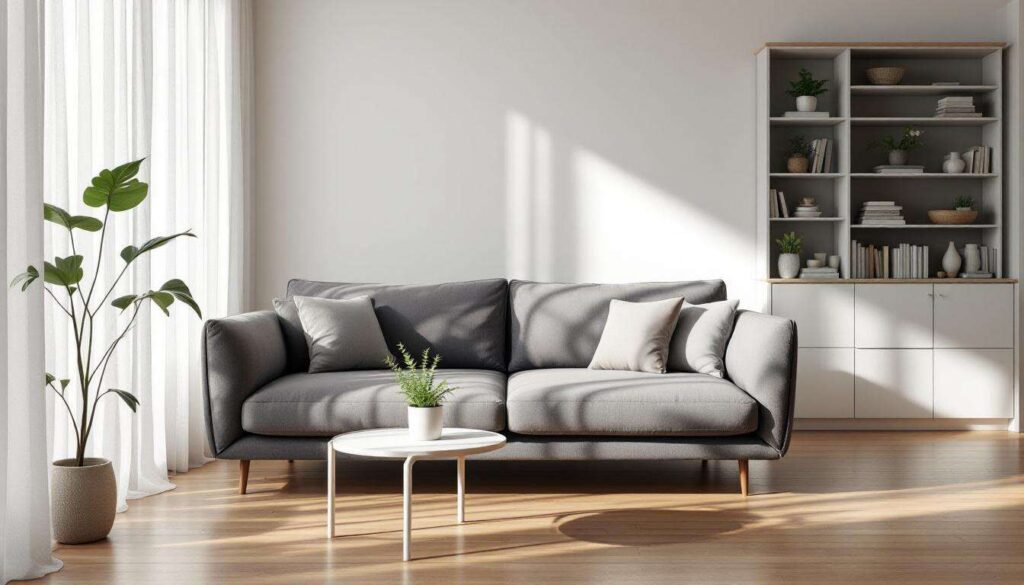
A serene living room free from clutter is not merely a matter of luck or endless hours of tidying. Those who consistently maintain an orderly space share certain tools, habits and strategies that transform chaos into calm. The good news is that achieving this enviable state does not require a complete lifestyle overhaul. With a few clever additions and simple routines, anyone can create the illusion of effortless organisation while genuinely reducing the visual noise that accumulates in daily life.
The essential habits for an orderly living room
Daily micro-routines that prevent clutter accumulation
People with consistently tidy living rooms understand that prevention is far more effective than cure. Rather than dedicating entire weekends to deep cleaning sessions, they incorporate brief organisational moments into their daily rhythm. A five-minute reset before bedtime, during which cushions are plumped, remote controls returned to their designated spots, and stray items relocated, maintains the baseline of order. This approach eliminates the overwhelming task of tackling days’ worth of accumulated mess.
The discipline extends to immediate action rather than postponement. When something is used, it returns to its proper location straight away. This seemingly minor habit prevents the gradual migration of objects across surfaces, a phenomenon that transforms tidy spaces into cluttered ones within days.
The power of regular purging
Those who maintain pristine living spaces engage in continuous decluttering rather than sporadic efforts. They resist the temptation to store questionable items in cupboards or spare rooms, recognising that hidden clutter eventually overflows into visible areas. Instead, they regularly assess their possessions using simple criteria:
- Does this item serve a current purpose ?
- Has it been used within the past six months ?
- Does it contribute positively to the room’s atmosphere ?
- Would I purchase this again today ?
This ongoing evaluation ensures that only genuinely valued and functional items occupy precious living space. The practice becomes second nature, requiring minimal mental effort once established as routine.
These foundational habits create the framework for sustained tidiness, but they work best when supported by practical tools designed to simplify organisation.
Essential tools for simplified organisation
The transformative clutter bucket
One of the most deceptively simple yet remarkably effective tools is the clutter bucket. This humble container serves as a temporary collection point for items that have wandered from their proper homes. Rather than allowing magazines, toys, charging cables and miscellaneous objects to scatter across coffee tables and sofas, everything migrates into this single vessel.
The genius lies in its dual function. Firstly, it provides an immediate solution when unexpected guests arrive, allowing rapid surface clearing. Secondly, it creates a visual reminder to complete the organisational task properly. When the bucket fills, its contents are sorted and returned to appropriate locations, preventing the formation of permanent clutter zones.
Automated cleaning with robot vacuums
Maintaining clean floors contributes enormously to the perception of tidiness. A robot vacuum eliminates the physical and mental burden of this repetitive task. Programmed to run daily or several times weekly, these devices ensure that dust, crumbs and pet hair never accumulate to noticeable levels.
The psychological benefit extends beyond clean floors. When the floor remains clear and vacuumed, there is greater motivation to keep surfaces equally pristine. The device also necessitates keeping floors free from obstacles, which naturally reduces clutter accumulation.
Strategic storage solutions
Thematic storage represents another cornerstone of effortless organisation. Rather than scattering similar items throughout various locations, grouping related objects together simplifies both storage and retrieval. This approach might include:
- Dedicating one basket to remote controls and entertainment accessories
- Consolidating reading materials on a specific shelf or in a magazine rack
- Keeping all charging cables and electronic accessories in a single drawer
- Storing blankets and cushions in an ottoman with hidden compartment
When every category has a designated home, maintaining order becomes intuitive rather than burdensome. Family members know exactly where items belong, reducing the cognitive load of organisation.
Beyond these practical tools, the furniture itself can contribute significantly to a streamlined aesthetic.
The art of minimalism with multifunctional furniture
Maximising space with dual-purpose pieces
Multifunctional furniture represents a game-changing approach for those seeking tidiness without sacrificing comfort or functionality. These pieces address the fundamental challenge of limited space whilst reducing visible clutter. A sofa with built-in storage compartments beneath the cushions, for instance, provides convenient housing for throws, board games or seasonal items that would otherwise occupy shelf space or create visual disorder.
Coffee tables with drawers or lift-top mechanisms offer concealed storage for remote controls, coasters, magazines and other living room essentials. These items remain accessible yet invisible, maintaining clean surfaces that contribute to the room’s serene atmosphere.
Strategic furniture selection
When choosing multifunctional pieces, consider the specific clutter challenges in your living room:
- Ottomans with removable lids provide seating plus storage for children’s toys or extra cushions
- Wall-mounted shelving with closed cabinets balances display space with hidden storage
- Nesting tables can be tucked away when not needed, reducing furniture footprint
- Media units with cable management features address both storage and wire organisation
The investment in thoughtfully designed furniture pays dividends in reduced daily tidying effort. When storage is integrated into the pieces you already use, maintaining order becomes nearly automatic.
Speaking of cable management, this often-overlooked aspect deserves particular attention for achieving a truly calm environment.
Ingenious solutions for effective cable management
The visual impact of organised cables
Few elements undermine a tidy aesthetic as thoroughly as tangled cables snaking across floors and dangling behind furniture. Even when the rest of the room is immaculate, visible wiring creates an impression of chaos and neglect. Those with consistently orderly living rooms prioritise cable management as essential rather than optional.
A systematic approach to cable organisation involves several layers. Cable clips attached to furniture edges guide wires along discrete paths rather than allowing them to pool on the floor. Cable sleeves bundle multiple cords together, transforming a mess of individual wires into a single, manageable line. Behind entertainment centres, cable boxes with multiple entry points contain the inevitable tangle of television, gaming console and sound system connections.
Practical cable management strategies
| Solution | Best for | Visibility reduction |
|---|---|---|
| Cable clips | Individual wires along furniture | High |
| Cable sleeves | Multiple cords running together | Very high |
| Cable boxes | Power strips and adapters | Complete concealment |
| Velcro ties | Shortening excess cable length | Moderate |
Wireless alternatives, where practical, eliminate cables entirely. Wireless phone chargers, Bluetooth speakers and cordless lamps reduce the number of visible connections whilst maintaining functionality.
With the physical infrastructure for tidiness in place, a few clever techniques can enhance the impression of order even further.
Tips for simulating a clutter-free space
Quick wins for instant visual improvement
When time is limited but presentation matters, certain strategic actions create disproportionate visual impact. Clearing all horizontal surfaces except for a few intentional decorative items immediately transforms a room’s appearance. Coffee tables, side tables and shelving benefit from this ruthless editing. The previously mentioned clutter bucket facilitates this rapid reset.
Arranging cushions and throws with deliberate placement rather than haphazard distribution signals intentionality. Even if the rest of the home harbours chaos, a carefully composed living room suggests overall orderliness. Fresh flowers or a single statement plant draws the eye towards beauty rather than imperfection.
The SOS method for sustainable order
For longer-term success, the SOS approach provides a framework that prevents clutter from returning:
- Simplify: ruthlessly eliminate possessions that serve no practical or emotional purpose
- Organise: assign specific locations to remaining items based on frequency of use
- Sustain: establish daily micro-routines that maintain the achieved order
This method acknowledges that organisation is not a destination but an ongoing practice. The simplification phase reduces the volume of items requiring management. Organisation creates logical systems that make tidying intuitive. Sustaining habits prevent the gradual slide back into disorder.
Avoiding common pitfalls
Even with good intentions, certain mistakes undermine tidiness efforts. Overloading spaces with decorative objects, however beautiful individually, creates visual noise. Leaving “just one” item on the coffee table inevitably attracts companions. Postponing the five-minute evening reset allows clutter to compound into an overwhelming task.
Recognition of these patterns enables conscious correction before disorder takes hold.
Achieving and maintaining a tidy living room relies less on perfection than on consistent application of simple principles. The four essential elements—a clutter bucket for rapid collection, a robot vacuum for automated cleaning, multifunctional furniture that conceals storage, and effective cable management—create the infrastructure for effortless order. Supporting these tools with daily micro-routines, regular purging and the SOS method transforms tidiness from an aspiration into a sustainable reality. The beauty of this approach lies in its accessibility: no element requires significant investment of time or money, yet together they produce the calm, clutter-free environment that enhances daily life.