

Transforming your living space doesn’t require a complete overhaul or an extravagant budget. Small, thoughtful changes can dramatically alter how a room feels and functions. From rethinking furniture placement to embracing bold colour choices, the way you approach interior design can make all the difference. Whether you’re working with a compact flat or a spacious house, understanding fundamental design principles helps you create environments that reflect your personality whilst maximising comfort and practicality. The following expert-backed strategies offer actionable guidance for elevating your home’s aesthetic appeal and functionality.
Optimising space with smart layout
Rethinking room configuration before demolition
Before reaching for the sledgehammer, carefully assess your existing layout. Many homeowners rush into knocking down walls without considering alternative solutions that preserve structural integrity whilst achieving openness. Sometimes, simply repositioning furniture or removing unnecessary partitions can redefine a space more effectively than costly renovations. This approach saves money and allows for flexible arrangements that can evolve with your needs.
Choosing furniture that commands attention
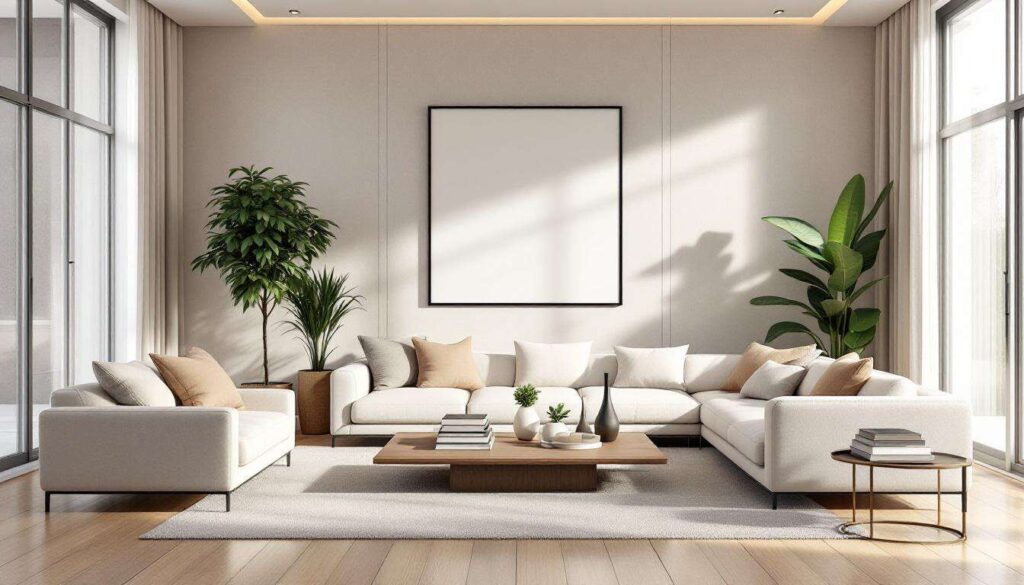
Selecting large-scale furniture pieces creates visual impact and anchors a room effectively. A voluminous sofa, for instance, can serve as a focal point whilst providing ample seating. Consider these benefits:
- Creates a sense of luxury and comfort
- Reduces the need for multiple smaller pieces that clutter the space
- Establishes clear zones within open-plan areas
- Offers better proportional balance in spacious rooms
Designing adaptable kitchen spaces
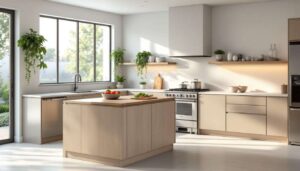
Kitchens need not conform to traditional fitted designs. Freestanding furniture offers flexibility and character that built-in units sometimes lack. Moveable islands, vintage dressers repurposed for storage, and standalone shelving units allow you to reconfigure your kitchen as requirements change. This approach particularly suits rental properties or homes where permanent modifications aren’t feasible.
Understanding how furniture placement affects flow naturally leads to considering where and how you store your belongings.
Incorporating creative storage solutions
Maximising wardrobe functionality
Walk-in wardrobes represent more than luxury—they’re highly practical storage solutions that add genuine value to properties. Even modest spaces can accommodate walk-in configurations through clever planning. Utilising awkward corners or recessed areas transforms wasted space into organised storage that keeps bedrooms clutter-free and serene.
Finding character through second-hand discoveries
Second-hand platforms offer treasure troves of unique storage pieces at fraction-of-retail prices. Vintage cabinets, antique trunks, and retro shelving units bring character whilst serving practical purposes. These finds often feature superior craftsmanship compared to modern equivalents and develop stories that mass-produced furniture cannot replicate.
| Storage type | Average new cost | Second-hand potential savings |
|---|---|---|
| Vintage dresser | £400-£800 | 60-75% |
| Antique cabinet | £600-£1,200 | 50-70% |
| Retro shelving | £200-£500 | 65-80% |
Balancing visual weight with accessories
Every storage solution should contribute to the room’s proportional balance. Oversized pieces in small rooms create oppression, whilst undersized units in spacious areas appear lost. Consider the visual weight of each element, ensuring storage furniture complements rather than dominates or disappears within your scheme.
Once storage needs are addressed, attention turns to the colours that unify these diverse elements.
Creating a cohesive colour palette
Experimenting with bold choices
Don’t shy away from vibrant colours and daring patterns. Experimenting with unexpected hues can inject personality and energy into previously bland spaces. Start with accent walls or smaller rooms like powder rooms, where bold choices make dramatic statements without overwhelming larger living areas. Confidence in colour selection often distinguishes memorable interiors from forgettable ones.
Harmonising diverse elements
A cohesive palette doesn’t mean monotonous repetition. Instead, select a foundation of two or three primary colours and introduce variations through different shades and tones. This strategy allows for diversity whilst maintaining visual harmony. Consider these approaches:
- Use the 60-30-10 rule: 60% dominant colour, 30% secondary, 10% accent
- Draw inspiration from a favourite artwork or textile
- Consider how natural light affects colour perception throughout the day
- Test samples in various lighting conditions before committing
Blending traditional and contemporary palettes
Combining antique furniture with modern pieces requires thoughtful colour coordination. Traditional items often feature richer, deeper tones, whilst contemporary designs favour cleaner, lighter shades. Bridge this gap by identifying common undertones—warm or cool—that allow disparate pieces to coexist harmoniously. This approach creates layered, sophisticated spaces that feel collected rather than coordinated.
With colours established, personalisation through decorative elements brings spaces to life.
Adding decorative elements for personalisation
Incorporating meaningful personal pieces
Objects with personal significance give spaces soul that catalogue-perfect rooms lack. Family heirlooms, travel souvenirs, or handmade items tell your story and create conversation points. These pieces need not be valuable in monetary terms—their worth lies in the memories and meaning they carry.
Avoiding common accessory mistakes
Undersized rugs rank among the most frequent decorating errors. A rug that’s too small disrupts spatial balance and makes rooms appear disjointed. Invest in appropriately sized floor coverings, even if this means seeking affordable alternatives rather than expensive small rugs. The right rug anchors furniture groupings and defines zones within open spaces.
Hand-painting furniture for unique touches
Transform ordinary furniture through hand-painting techniques that add bespoke character. This budget-friendly approach allows you to:
- Refresh dated pieces without replacement costs
- Coordinate furniture with your evolving colour scheme
- Express creativity through pattern and design
- Create one-of-a-kind statement pieces
Decorative elements gain dimension and drama when properly illuminated.
Using lighting to transform ambience
Installing wall sconces for sophistication
Wall-mounted fixtures deliver both practical illumination and aesthetic appeal. Sconces free floor space whilst casting flattering light that enhances architectural features and artwork. They’re particularly effective in hallways, bedrooms, and dining areas where ambient lighting creates intimacy without sacrificing functionality.
Layering light sources
Successful lighting schemes incorporate multiple layers: ambient, task, and accent lighting. This approach provides flexibility for different activities and moods. Overhead fixtures supply general illumination, desk and reading lamps offer focused light for specific tasks, and accent lighting highlights decorative elements or architectural details.
Considering natural light variations
Artificial lighting should complement natural light patterns throughout the day. North-facing rooms receive cooler, consistent light requiring warmer artificial sources, whilst south-facing spaces enjoy abundant warmth that pairs well with cooler light temperatures. Understanding these dynamics ensures your lighting enhances rather than conflicts with natural illumination.
Light reveals another crucial design element: texture, which adds depth and interest to every surface.
Incorporating varied textures to enliven the interior
Mixing materials for visual interest
Combining diverse textures prevents spaces from appearing flat or one-dimensional. Smooth surfaces like glass or polished metal contrast beautifully with rough elements such as exposed brick or woven textiles. This interplay creates visual richness that engages the eye and invites tactile exploration.
Balancing hard and soft elements
Every room benefits from equilibrium between hard architectural features and soft furnishings. Consider this balance:
| Hard elements | Soft elements |
|---|---|
| Wood flooring | Plush rugs |
| Stone countertops | Linen curtains |
| Metal fixtures | Velvet cushions |
| Glass surfaces | Wool throws |
Adding texture through unexpected sources
Texture emerges from surprising places. Vintage market finds often feature interesting patinas and worn surfaces that add character. Hand-crafted items introduce irregularities that contrast with machine-made precision. Even wall treatments—from textured wallpaper to decorative plasterwork—contribute dimensional interest that paint alone cannot achieve.
Transforming your home through thoughtful design choices creates environments that nurture wellbeing and reflect individuality. The strategies outlined—from optimising layouts and incorporating clever storage to establishing cohesive colour schemes and layering textures—work synergistically to elevate any space. Remember that successful interior design balances aesthetics with functionality, personal expression with timeless principles. Whether implementing all twenty-nine tips or selecting those most relevant to your circumstances, each considered change contributes to a home that truly resonates with how you live. Start with small adjustments, observe their impact, and build confidence in your decorating decisions. Your space should evolve as you do, remaining flexible enough to accommodate changing needs whilst maintaining the character that makes it uniquely yours.