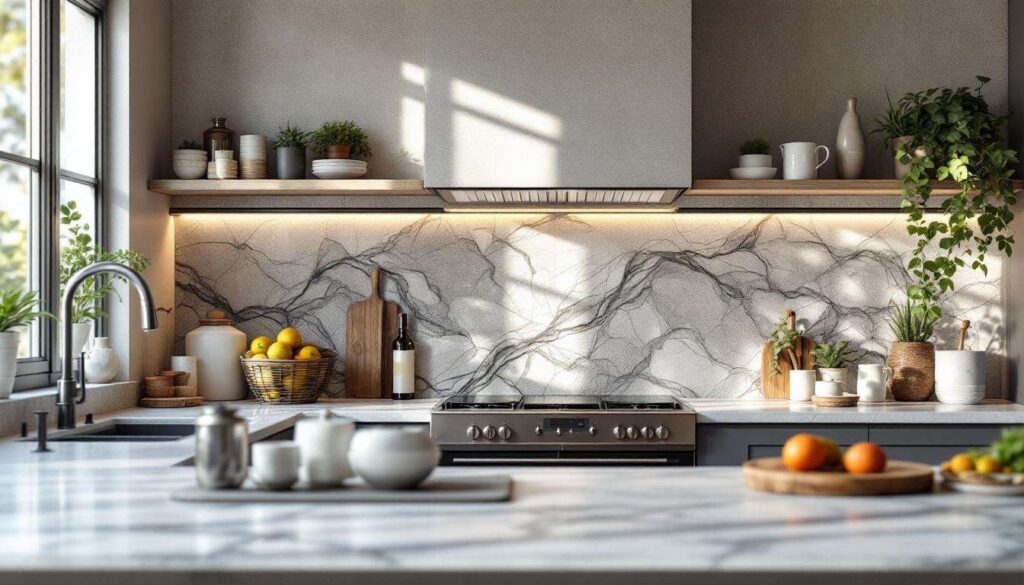
Kitchen backsplashes are stepping into the spotlight as one of the most transformative elements in contemporary interior design. No longer relegated to a purely functional role, these surfaces are becoming canvases for personal expression and bold design statements. Designers are pushing boundaries, blending artistry with practicality to create spaces that captivate and inspire. From luxurious natural materials to innovative technological integrations, the backsplash is evolving into a defining feature that sets the tone for the entire kitchen. As homeowners seek to infuse their spaces with character and warmth, the trends emerging reflect a deeper desire for individuality and thoughtful design choices.
Bold tile designs
Patterned tiles as focal points
Patterned tiles are making a dramatic comeback, offering homeowners an opportunity to inject personality into their kitchens. Moroccan and Spanish-inspired designs are particularly popular, featuring intricate geometric patterns and vibrant colour palettes. These tiles work exceptionally well when positioned behind cookers or sinks, creating eye-catching focal points that draw attention and anchor the room’s aesthetic. The beauty of patterned tiles lies in their versatility: they can complement minimalist cabinetry or enhance more eclectic design schemes.
- Geometric patterns in contrasting colours for visual impact
- Hand-painted tiles that add artisanal charm
- Encaustic cement tiles for authentic Mediterranean flair
- Mix-and-match patterns for a curated, personalised look
Metro tiles with a modern twist
The timeless metro tile continues to hold its ground, but designers are reimagining this classic with fresh approaches. Non-traditional layouts such as herringbone, vertical stacking, or chevron patterns breathe new life into these familiar rectangles. Coloured grout has emerged as a simple yet effective way to add contrast and character, transforming a conventional backsplash into something memorable. Textured finishes and bevelled edges further enhance the depth and sophistication of metro tile installations.
These bold tile choices set the stage perfectly for exploring how surface treatments and finishes are evolving to create warmer, more inviting kitchen environments.
Textured and warm finishes
Tactile surfaces that invite touch
The movement towards rich textures and tactile finishes represents a shift away from the cold, clinical aesthetics that dominated previous years. Designers are incorporating materials that engage the senses, such as textured ceramics, rough-hewn stone, and even wood elements in protected areas. These surfaces create visual and physical warmth, making kitchens feel more lived-in and welcoming. The interplay of light on textured surfaces adds dimension and interest throughout the day as natural lighting conditions change.
Warm neutral colour palettes
Cool greys are giving way to earthy, warm neutrals that create a more relaxing and inviting atmosphere. Shades such as taupe, ochre, terracotta, and warm beige are dominating designer specifications. These colours pair beautifully with natural wood cabinetry and brass or copper fixtures, creating cohesive schemes that feel both contemporary and timeless. The psychological impact of these warmer tones cannot be understated: they foster a sense of comfort and connection that cooler palettes often lack.
| Colour family | Popular shades | Best paired with |
|---|---|---|
| Warm neutrals | Taupe, ochre, sand | Natural wood, brass fixtures |
| Earthy tones | Terracotta, clay, rust | White cabinetry, black accents |
| Soft beiges | Cream, linen, mushroom | Marble countertops, chrome |
This emphasis on warmth and texture naturally leads to considerations about the materials themselves and how they contribute to overall kitchen design.
Trendy kitchen materials for 2026
Natural stone with pronounced veining
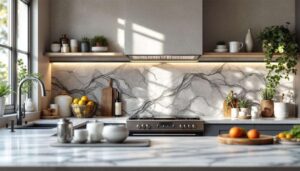
Marble and other natural stones remain at the forefront of luxury kitchen design. The appeal lies in their unique veining patterns, which ensure that no two installations are identical. Slabs of marble, quartzite, or granite create a sense of continuity and sophistication when used as backsplashes. These materials reflect light beautifully, adding luminosity to the space whilst providing a durable, heat-resistant surface ideal for areas behind cookers.
Tempered glass for contemporary elegance
Tempered glass backsplashes offer a sleek, modern alternative that works particularly well in smaller kitchens. This material enhances brightness and spatial perception by reflecting light throughout the room. Available in clear, tinted, or back-painted finishes, glass provides endless customisation options. Its non-porous surface makes it exceptionally easy to clean, resisting stains and bacteria whilst maintaining its pristine appearance.
- Clear glass for minimalist aesthetics
- Back-painted glass in custom colours
- Frosted or textured glass for subtle privacy
- Mirrored glass to amplify light and space
Countertop-to-wall continuity
The trend of extending countertop materials up the wall creates a seamless, contemporary look that eliminates visual breaks. This approach works beautifully with materials like quartz, solid surface composites, or natural stone. The result is a cohesive, streamlined aesthetic that simplifies maintenance by reducing grout lines and joints where dirt can accumulate. This design choice also allows the beauty of the countertop material to take centre stage as a dominant design element.
As materials evolve, so too does the integration of modern conveniences that enhance kitchen functionality.
Smart kitchen technology
Integrated technological solutions
The backsplash area is becoming a hub for smart technology integration. Designers are incorporating charging stations, USB ports, and wireless charging pads directly into backsplash installations. Touch-sensitive controls for lighting, ventilation, and even recipe displays are being seamlessly embedded into the surface, maintaining clean lines whilst adding functionality. These innovations transform the backsplash from a passive element into an active participant in kitchen operations.
LED lighting and display features
Backlighting has evolved beyond simple under-cabinet strips. Integrated LED systems within glass or translucent materials create ambient lighting effects that can be adjusted for mood or task lighting. Some installations feature embedded digital displays that can show recipes, timers, or even artwork when not in use. These technological enhancements provide both practical benefits and aesthetic appeal, adapting to different needs throughout the day.
| Technology feature | Functionality | Design benefit |
|---|---|---|
| Wireless charging | Device charging without cables | Clutter-free countertops |
| LED backlighting | Adjustable ambient lighting | Enhanced material depth |
| Digital displays | Recipe viewing, timers | Interactive surface element |
These technological advances complement the visual innovations that are redefining how backsplashes contribute to kitchen aesthetics.
3D and mirrored finish tiles
Three-dimensional sculptural elements
Three-dimensional tiles add dramatic depth and shadow play to kitchen backsplashes. These sculptural elements catch and reflect light in constantly changing ways, creating dynamic visual interest. From subtle waves to bold geometric protrusions, 3D tiles transform a flat surface into an architectural feature. They work particularly well in kitchens with ample natural light, where the changing sun angles create evolving patterns throughout the day.
Mirrored and reflective surfaces
Mirrored tiles and metallic finishes amplify light and create the illusion of expanded space. Antiqued mirror tiles offer a vintage aesthetic whilst maintaining reflective properties, whilst polished metallic tiles in copper, brass, or stainless steel introduce industrial chic. These reflective surfaces require careful placement to avoid unwanted glare, but when properly positioned, they can dramatically enhance kitchen brightness and create a sense of openness.
- Antiqued mirror for vintage charm with reflectivity
- Metallic tiles in copper or brass for warmth
- Stainless steel for industrial modern aesthetics
- Iridescent finishes that shift colour with viewing angle
Whilst these visually striking options capture attention, there is an equally important movement towards environmentally conscious design choices.
Eco-friendly and sustainable decors
Recycled and reclaimed materials
Environmental awareness is driving demand for sustainable backsplash materials. Recycled glass tiles, reclaimed wood, and tiles made from post-consumer waste are gaining traction amongst eco-conscious homeowners. These materials often carry unique character and patina whilst reducing environmental impact. Reclaimed terracotta and salvaged ceramic tiles bring history and authenticity to modern kitchens whilst supporting circular economy principles.
Low-impact production methods
Beyond material sourcing, designers are prioritising products manufactured using sustainable production processes. Locally produced tiles reduce transportation emissions, whilst manufacturers employing renewable energy and water-recycling systems appeal to environmentally minded clients. Natural materials like stone and clay, when responsibly quarried, offer inherently sustainable options with minimal processing requirements. The growing availability of certifications helps consumers identify truly eco-friendly products.
| Sustainable material | Environmental benefit | Aesthetic quality |
|---|---|---|
| Recycled glass tiles | Diverts waste from landfills | Unique colour variations |
| Reclaimed wood | Prevents deforestation | Rich patina and character |
| Local natural stone | Reduced transport emissions | Regional authenticity |
Kitchen backsplashes are clearly evolving beyond their traditional protective function to become central design statements that reflect personal values, aesthetic preferences, and lifestyle needs. The trends emerging demonstrate a sophisticated balance between visual impact and practical considerations, with technology, sustainability, and artisanal craftsmanship all playing significant roles. Whether through bold patterns, luxurious natural materials, or innovative technological integrations, these surfaces are transforming kitchens into spaces that truly reflect the personalities and priorities of those who inhabit them. The emphasis on warmth, texture, and environmental responsibility signals a maturation in kitchen design that prioritises both beauty and substance.